





Lesser Town (Malá Strana) Walking Tour in Prague | Czech Republic
- Professional guided tour service in both Chinese and English
- Enjoy the beautiful views of Prague from Petrin Hill.
- This tour takes you on a journey to all the must-see attractions in Prague's Lesser Town, such as Strahov Monastery and the John Lennon Wall, as well as the lost world of Prague that you won't find in any travel guidebook.
- Certified local Czech guides, drawing on their lived experience and unique perspectives, will take you to hidden gems and share their favorite aspects of Prague.
Package Options


Sightseeing Tours
| Tour Type | Shared tour |
| Transportation method | Get there on your own |
| Minimum participant requirement | 4 travelers |
| Tour types | Guided tour |
| Sightseeing type | Japanese castles, Historic site tour |
| Transport | Walking |
Product Info
The content of this product is provided by machine translation and may not reflect the actual information, please take this into consideration before booking.
- Itinerary Description -
After gathering at the designated meeting point, we will take a tram together to the Secret World in front of the castle. From there, we will walk to Strahof Monastery, then hike up Petrin Hill for panoramic views of Prague. Finally, we will walk from the Lesser Town to the Johann Nannon Wall to conclude our three-hour guided walking tour.
The John Lennon Wall, a symbol of peace and anti-war


Strahov Monastery, hailed as the world's most beautiful library


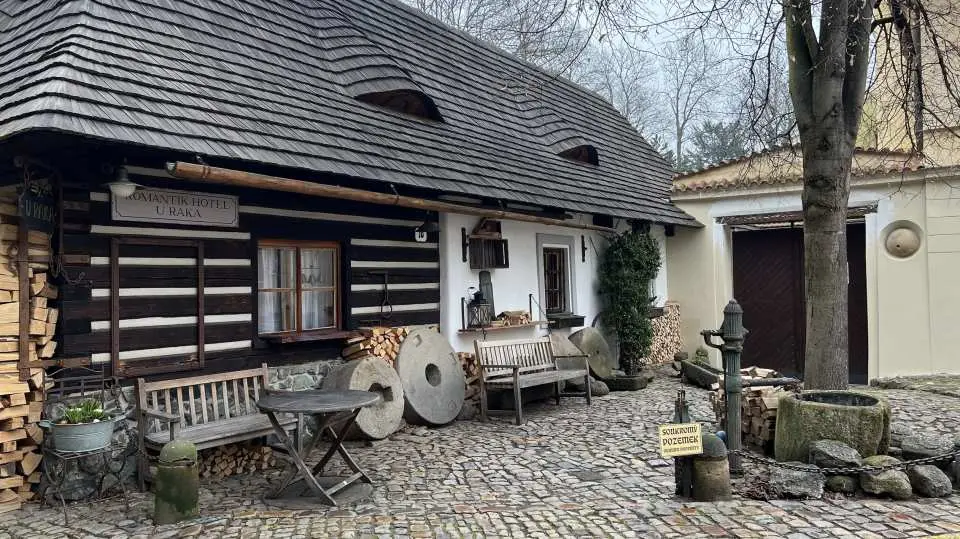
The Lost World in Front of the Castle

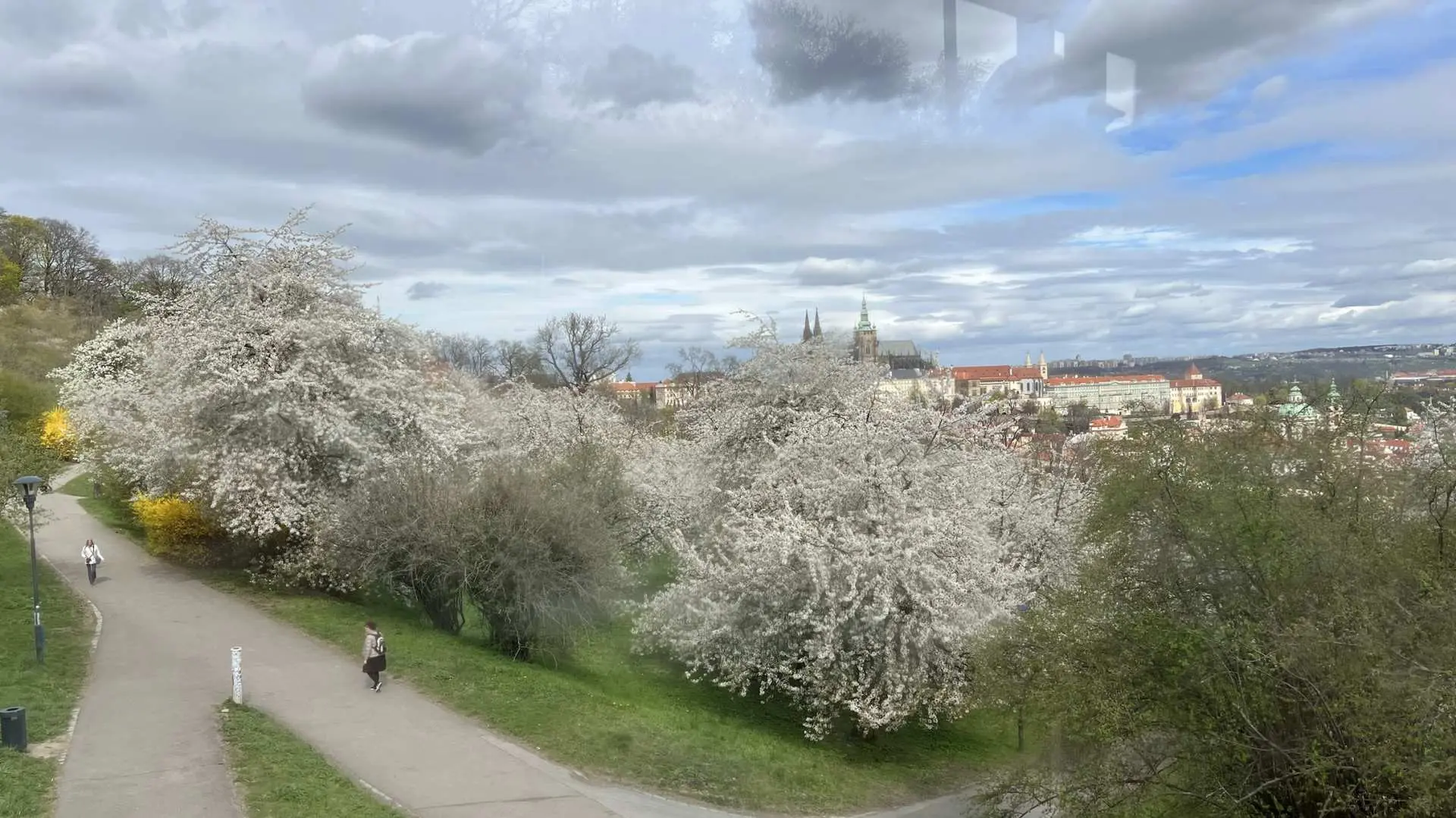
Cherry blossoms in full bloom on Petrin Hill

Loretta Church is a Baroque-style sanctuary, renowned for its magnificent exterior and exquisite carillon music.


Purchase Notice
- Please note that this itinerary does not include the cost of public transportation in Prague
- The Czech Republic observes both summer and winter time. Please be aware that the tour time selected during booking is in local Czech Republic time
Reminders
A minimum of 4 traveler(s) are required for the tour to depart. If the number of participants does not reach the minimum requirement, the tour will be canceled. An email regarding tour cancellation will be sent 2 day(s) before the departure date
Please arrive at the designated location 10 minute(s) before the scheduled departure time, as the tour will depart on time
Please refer to the certificate for detailed information.
FAQ
Malá Strana is distinct from the Old Town with its prevalence of Baroque architecture, grand palaces, and a quieter, more aristocratic ambiance, reflecting its history as a noble and ecclesiastical quarter. Unlike the Old Town's medieval market squares and merchant houses, Malá Strana offers an experience of serene streets, hidden gardens, and significant historical residences, often housing embassies today. Its charm lies in its elegant grandeur and peaceful atmosphere.
Lesser Town features numerous Baroque masterpieces, including the magnificent St. Nicholas Church and the grand Wallenstein Palace. Visitors can explore the historic Strahov Monastery Library with its ornate halls and the colorful, symbolic John Lennon Wall. For stunning views, Petřín Hill offers a serene escape. The area's architecture is predominantly Baroque, characterized by lavish ornamentation, frescoes, and monumental scale, reflecting its past as a domain of nobility and clergy.
Prague Castle is geographically located directly above Lesser Town (Malá Strana), which lies at the castle's base. Malá Strana historically developed as the residential area for the castle's nobility, clergy, and servants. Iconic streets, such as Nerudova Street, directly connect Lesser Town to the castle gates via a charming ascent. This close proximity makes Malá Strana the natural and historical gateway to accessing the Prague Castle complex, offering a continuous cultural landscape.
Lesser Town offers a distinctively tranquil and elegant atmosphere, contrasting with the Old Town's bustling energy. Visitors can expect a leisurely walking experience through charming cobbled streets, adorned with Baroque palaces, hidden gardens, and quaint squares. The area invites exploration of romantic alleys and riverside paths along the Vltava. This provides opportunities for quiet reflection and enjoying picturesque views, immersing one in a more serene, historical Prague.
During a Lesser Town walking tour, local guides provide insights into the area's aristocratic and ecclesiastical history. They share stories of the noble families who resided in its grand Baroque palaces and discuss the significant historical events that shaped the district. Guides often highlight the craftsmanship seen in the architecture and the cultural impact of various periods, offering a deeper understanding of Malá Strana's unique past and local life perspectives.
For exceptional panoramic views of Prague within Lesser Town, Petřín Hill is the prime location. Visitors can take the funicular or walk up to the Petřín Lookout Tower, which provides a breathtaking 360-degree vista encompassing Prague Castle, Charles Bridge, the Old Town, and the Vltava River. Additionally, areas around Strahov Monastery offer splendid elevated views over the distinctive red rooftops of Malá Strana and the wider city landscape.
The Strahov Monastery Library is renowned for its magnificent Baroque Theological and Philosophical Halls. These halls are adorned with exquisite frescoes and house an immense collection of ancient manuscripts, rare books, and globes. The artistic grandeur of its interiors, especially the intricate ceiling frescos, and its historical role as a center of learning, make it a truly notable cultural and architectural gem in Lesser Town, offering a glimpse into centuries of scholarly heritage.
The John Lennon Wall in Malá Strana carries significant cultural weight. Originating in the 1980s, it became a symbol of protest against Czechoslovakia's communist regime, with students painting messages of peace and freedom inspired by John Lennon. Despite attempts to erase them, the messages always reappeared. Today, it remains a vibrant, ever-changing canvas for graffiti and messages, representing global ideals of peace, love, and freedom, making it a powerful landmark in Prague.
Get Help


