




Harlem juke joint tour
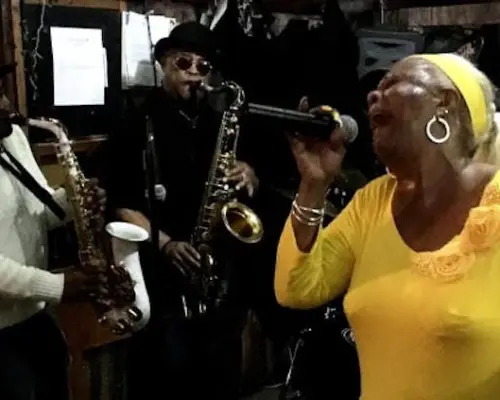
- Listen to the most talented performers in Harlem's most exciting clubs while learning about the neighborhood's historic past and dynamic present
Package Options


Product Info
Purchase Notice
Duration: Lasts up to 5 hours
Reminders
Please refer to your voucher for final information regarding meeting points, pick-up locations, and pick-up time
Meeting point description: The tour starts at Silvana Cafe(300 W 116th St, New York, NY 10026)
The tour runs rain or shine
This tour involves walking, stairs, and taking mass transit. All are welcome, but those using wheelchairs, crutches, or who require any extra assistance are advised to come with a travel partner that can help
FAQ
The Cotton Club, famous during the Harlem Renaissance, is known for its racial controversy. While it showcased top Black entertainers like Duke Ellington and Lena Horne, its audience was exclusively white. This policy of segregation, coupled with the exploitation of Black artists and staff, created a complex legacy as both a cultural beacon for musical innovation and a symbol of racial injustice in Harlem.
Birdland earned its fame as 'The Jazz Corner of the World' by hosting legendary bebop artists such as Charlie Parker, Dizzy Gillespie, and Miles Davis in the mid-20th century. It was a pivotal venue for jazz innovation, live recordings, and broadcasting, establishing its reputation as a premier club where musical history was consistently made. Its legacy is deeply intertwined with the development of modern jazz.
The Cotton Club is widely recognized as Harlem's most famous nightclub during its historic era, particularly through the Prohibition and Harlem Renaissance. It became an iconic venue celebrated for its elaborate stage shows, big band jazz, and association with legendary performers. Other influential clubs of the era included the Savoy Ballroom, renowned for its vibrant swing dancing scene.
To fully experience Harlem's profound jazz legacy, essential historic clubs include the Apollo Theater, a legendary venue that launched countless Black talents across genres. Minton's Playhouse is famously considered the birthplace of bebop, offering an intimate setting for groundbreaking jam sessions. The spirit of other iconic spots like the Lenox Lounge also contributes to understanding Harlem's vital role in jazz history.
Harlem's historic juke joints were crucial cultural touchstones that provided vital social spaces for Black communities during times of segregation. These vibrant establishments served as incubators for new music styles, including jazz and blues, fostering community resilience and creative expression. They became powerful symbols of cultural innovation, celebration, and resistance in Harlem's history.
Harlem's juke joint scene was a vibrant crucible for jazz evolution. Early clubs primarily featured stride piano and big band swing. Later, intimate venues like Minton's Playhouse became renowned for their late-night jam sessions, where musicians like Charlie Parker experimented with new sounds, leading to the birth of bebop—a more complex and improvisational jazz style. These settings fostered rapid musical innovation and collaboration.
Visitors to Harlem's historic juke joint scene today can expect an immersive and authentic atmosphere that beautifully blends rich history with contemporary vibrancy. Many current jazz and blues clubs offer intimate settings, feature talented live musicians performing classic and modern styles, and cultivate a strong sense of community. The experience provides a deep appreciation for the neighborhood's enduring musical heritage.
On a Harlem juke joint tour, you can typically expect to experience a diverse array of live musical performances. These often include authentic jazz, soulful blues, and rhythm and blues, showcased by talented local musicians. Performances are usually held in intimate club settings, emphasizing improvisation and the rich musical traditions that originated and continue to thrive within Harlem's dynamic soundscape.
Get Help


