




Taipei Beitou Museum Ticket
- Book now and set off immediately! Hassle-free itinerary planning
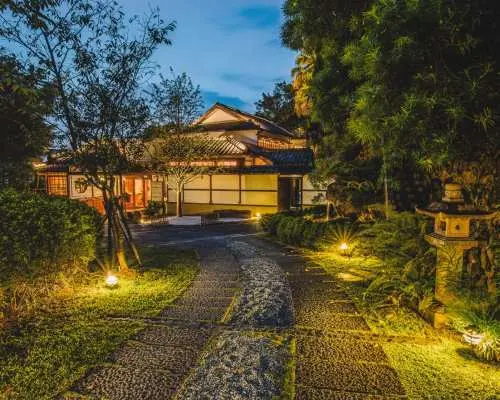
- Elegant environment, stroll through the lush green gardens
- A great place for both historical stories and cultural experiences
Package Options
Attraction Tickets
| Ticket type | E-ticket (direct entry) |
| Exhibit type | Historical exhibits, Traditional culture exhibits |
| Attraction type | History & culture, Traditional house experience |
| Tour types | None |
Product Info
Located on the elegant hillside of Beitou, the Beitou Museum is nestled within an 800-ping garden surrounded by lush greenery. It is the only remaining two-story Japanese-style wooden building in Taiwan, exuding an atmosphere of elegance, mystery, and tranquility. It is also one of the most exquisite private historic sites and private museums in Taiwan. Originally built in 1921, this building was once the most high-end hot spring hotel during the Japanese colonial period, known as the 'Kazan Hotel'. Despite the passage of time and several changes in ownership and names, its scenery remains captivating. In 1983, Mr. Chang Chun-ming, the founder of the Beitou Museum, leased the property and established the 'Taiwan Folk Arts Museum', which officially opened in 1984, housing a collection of nearly 5,000 artifacts from early Taiwanese folk life and indigenous cultures. It was renamed the 'Beitou Museum' in 1987. After a five-year, multi-million dollar restoration using traditional craftsmanship starting in 2002, it reopened in 2008. Today, it operates as a multi-functional space offering dining, cultural and creative products, and performing arts, moving toward becoming a platform for Taiwan's cultural and creative industries.

From August 1, 2026 to February 14, 2027, the Beitou Museum of Art collaborates with the Japanese Museum of Yokai Commemoration of Goichi Yumoto (三三もののけミュージアム) to present a limited-time special exhibition, "A Hundred Demons in Disarray - Yokai World"!

The Beitou Museum consists of two buildings: the main building, "Beitou Museum," and a separate annex, "Taoranju."

The "Beitou Art Museum" has two exhibition halls, namely the "Special Exhibition Theme Exhibition Hall" and the "Permanent Exhibition Exhibition Hall". Each period displays Taiwan's early folk cultural relics and Taiwan's aboriginal culture and art and other related topics. , and is dedicated to the introduction of Japanese monuments.


The second floor features the "Da Guang Jian" space, which currently provides venue and equipment rental for conferences, presentations, weddings, birthday parties, alumni reunions, and other banquets, as well as cultural promotion venues for Japanese tea ceremony or wagashi (Japanese sweets) experience courses. It can be used to plan and combine catering services, arts and cultural performances, business meetings, and other activities as needed.


The monthly tea ceremony experience class is held regularly, and the tea ordering scene with a round tent and a wild umbrella is very popular among guests. Friends who like Japanese culture must not miss it!

Feel the warmth of the light, gaze at the reclining Guanyin statue, and quietly enjoy the poetic beauty of Japanese architecture. Stepping into the park is like entering the tranquil and elegant city of Kyoto, Japan. This unique spatial aesthetic, where you can experience Japanese historical sites without leaving the country, invites you to visit the Beitou Museum and experience it for yourself.
Purchase Notice
This is a private museum that is a municipal historic site. In order to protect cultural assets and enhance the visitor experience, please abide by the following regulations:
- Historical building load-bearing capacity: The historical buildings in this museum have load-bearing capacity limits. Please comply with the relevant regulations to ensure safety.
- Crowd control: In order to maintain a good visitor experience, the museum may arrange and guide visitors to enter the venue and adjust the visitor route as needed.
- Photography Guidelines: When taking photos or videos at the exhibition, the use of auxiliary equipment such as flash, lighting equipment, tripods, and selfie sticks is prohibited.
- Without prior application, the museum strictly prohibits commercial photography, wedding photography, personal portraits, product photography, graduation photos, group photography, photography teaching and practice, etc. If you do not heed the museum's advice, the museum has the right to ask you to leave.
- Park regulations: Smoking (including e-cigarettes), setting off fireworks, chewing betel nuts, and bringing outside food are strictly prohibited within the park (including courtyards).
- To protect the historical buildings, pets are prohibited from entering the park (including the courtyard), except for guide dogs.
- Visitor conduct: Please speak softly and avoid making noise during your visit. Please keep your conversations quiet and silence communication devices or electronic devices within the exhibition area.
- The museum reserves the right to refuse entry or require visitors to leave if any filming activities affect the safety, order, or rights of other visitors.
- Damages: If any damage is caused to the facilities, exhibits or personnel within the museum, the museum will seek compensation in accordance with the law.
- Opening status: The areas within the park that are open to visitors are subject to availability on the day of visit. "Taoranju" is a paid area that requires reservations and is not open to the public.
Reminders
The system does not provide the function of modifying orders. If you want to change the quantity, you need to return the ticket and reorder it.
Once any item or gift in the package has been redeemed, returns and refunds are not accepted.
Please be sure to pay attention to the store's business hours. If you cannot redeem during that time, please redeem during other normal business hours within the validity period.
In the event of force majeure (including but not limited to natural disasters such as typhoons, earthquakes, and torrential rains), the organizer may postpone or cancel the event to ensure public safety, and will issue an advance notice and contact the organizer. The organizer reserves the right to modify, terminate, or change the details of the event for any matters not covered herein.
How to Redeem Your Voucher
How to Use Your Voucher
- Please present your QR code on-site
Experience Location
Location Name: Beitou Cultural Museum
Address: No. 32, Youya Road, Beitou District, Taipei City- Opening hours: Tuesday to Sunday, 10:00 AM - 6:00 PM
- Closed on Mondays, open as usual on public holidays.
- The actual opening hours are subject to the announcement on the official website .
FAQ
1. What are the operating hours and closure days for the Taipei Beitou Museum?
The Taipei Beitou Museum is typically open from Tuesday to Sunday, from 10:00 AM to 5:00 PM. It is generally closed on Mondays and national holidays. For the most current information regarding specific closure dates or special events, visitors are advised to check the official museum website before planning their visit.
2. What visitor etiquette should be observed at the Taipei Beitou Museum?
When exploring the Taipei Beitou Museum, visitors are encouraged to maintain a quiet demeanor to preserve the tranquil atmosphere. Photography for personal use is usually permitted, but flash photography may be prohibited in certain exhibition areas to protect the historical artifacts. Please refrain from touching exhibits and keep personal belongings secure. Dressing modestly is also recommended, reflecting the cultural significance of the historical building.
3. How can one acquire admission tickets for the Taipei Beitou Museum?
Admission tickets for the Taipei Beitou Museum can be conveniently purchased through online travel platforms or directly at the museum's ticket counter upon arrival. Booking in advance via platforms like KKday allows for immediate use after purchase, streamlining your entry process and ensuring a smooth start to your cultural exploration without the hassle of on-site queues. Tickets typically grant access to all public exhibition areas and the serene Japanese garden.
4. What is the best way to reach the Taipei Beitou Museum using public transportation?
The Taipei Beitou Museum is easily accessible via Taipei's MRT system. Take the MRT Tamsui-Xinyi Line (Red Line) to Beitou Station, then transfer to the Xinbeitou Line and alight at Xinbeitou Station. From Xinbeitou Station, the museum is approximately a 10-minute walk, guiding you through Beitou Park. This route offers a pleasant and scenic approach to the museum.
5. What historical elements and architectural features can be explored at the Taipei Beitou Museum?
The Taipei Beitou Museum, originally built during the Japanese occupation, showcases exquisite Japanese architectural elements. Visitors can explore the elegant two-story wooden structure, which once served as a high-end hot spring hotel. Key areas include the traditional Japanese garden, the spacious Daguang room used for gatherings, and the back tea room, all offering insights into the period's lifestyle and design aesthetics.
6. What are the main highlights or must-see areas within the Taipei Beitou Museum?
The Taipei Beitou Museum features several prominent highlights. The serene Japanese garden provides a tranquil escape and a beautiful photo opportunity. Inside, the grand Daguang room, historically used for banquets, showcases the building's original splendor. Don't miss the back tea room, which offers a glimpse into traditional Japanese leisure. The museum also hosts various rotating exhibitions detailing Beitou's rich hot spring culture and history.
7. How much time should visitors typically allocate for a complete tour of the Taipei Beitou Museum?
Visitors should typically allocate between 1 to 1.5 hours for a comprehensive tour of the Taipei Beitou Museum. This allows ample time to appreciate the architecture, explore the different exhibition rooms, stroll through the tranquil Japanese garden, and delve into the historical narratives presented throughout the museum without feeling rushed. The exact duration may vary based on individual interest levels.
8. What is the historical significance of the Taipei Beitou Museum building?
The Taipei Beitou Museum building holds significant historical importance as it was constructed during the Japanese occupation period as a public hot spring bathhouse. It represents a unique fusion of Japanese architectural style and the development of Beitou as a premier hot spring resort. Its preservation as a museum allows visitors to experience and understand a crucial chapter of Taiwan's history and cultural heritage.


