


Kenting, Taiwan|PADI Freediving Course|Taiwan Dive FREEDIVING Course
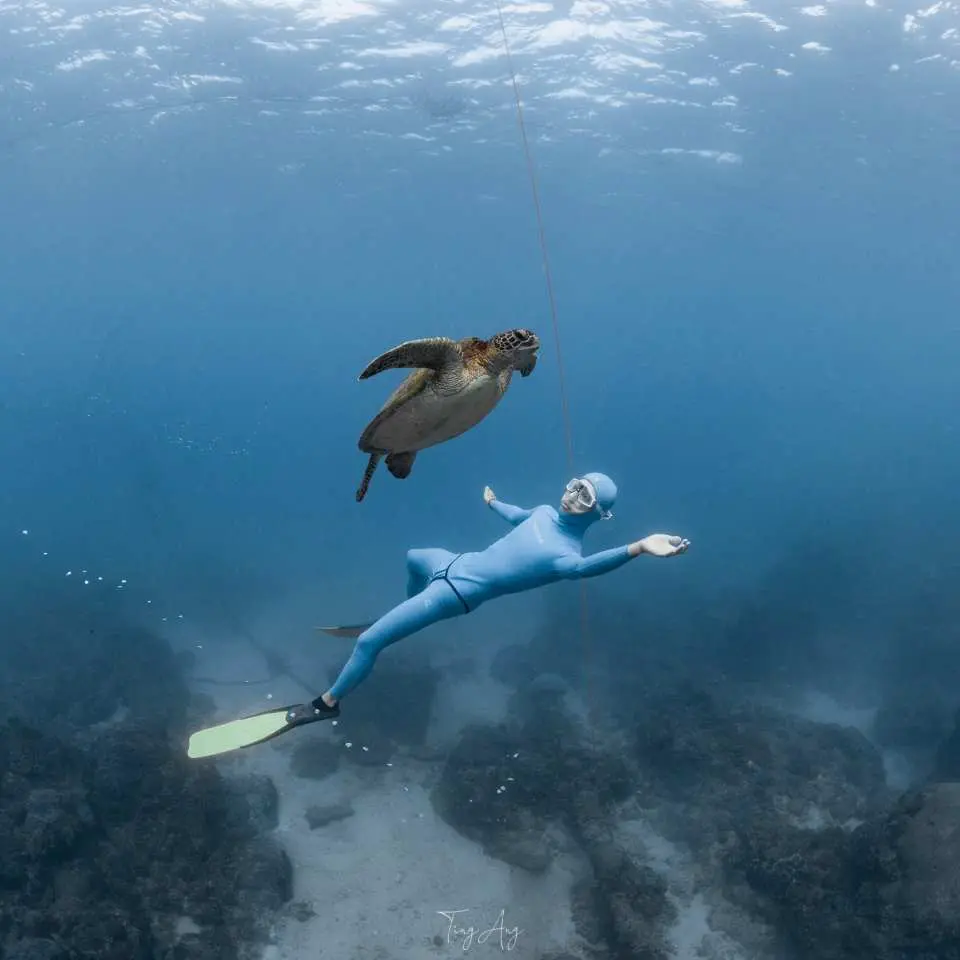
- PADI Freediving Course, designed for recreational freediving
- Small class system, one coach guides two students, no worries about safety
- By experiencing diving, let the ocean enter everyone's life, let more people fall in love with the sea and become sea people, follow us to protect this sea
Water Activities
| Water activity type | Diving, Diving certification class |
| Special water activity | Trial dive (beginner) |
| Minimum participant requirement | 1 traveler |
Product Info
What You Can Expect
1 Day
- 08:00Dive shop gathers to confirm registration information, free diving discipline, calm pool practice
- 09:00Interior Theory and Stretching
- 12:00lunch time
- 13:00pool training


2 Day
- 08:00Marine Internship
- 12:00lunch time


3 Day
- 08:00Marine Internship
- 12:00lunch time
- 13:30review, close


Purchase Notice
- Applicants must be over 15 years old and in good health. If you have any physical condition, please get approval from a doctor before taking diving courses.
- The actual course schedule will be adjusted by the instructor depending on sea conditions and student conditions.
Includes/Excludes
- Lunch
- Full set of equipment (self-submersible mask, snorkel, fins, weights)
- diving insurance
- License application fee
- Dinner
- Tips
- Transportation fare
- Personal expenses
- Vehicle rental fee
Reminders
A minimum of 1 traveler(s) are required for the tour to depart. If the number of participants does not reach the minimum requirement, the tour will be canceled. An email regarding tour cancellation will be sent 7 day(s) before the departure date
In the event of inclement weather such as typhoons or snowstorms, a decision on whether to cancel the tour will be made 1 day(s) before departure (local time 08:00). Notifications will then be sent via email
Travelers with the following conditions or other health issues that could be worsened by excessive stimulation should not participate in this activity: High blood pressure, Heart disease, Asthma, Acrophobia, Epilepsy, Pregnant women
Please arrive at the designated location 10 minute(s) before the scheduled departure time, as the tour will depart on time
How to Redeem Your Voucher
How to Use Your Voucher
- Please present the e-voucher on-site
Voucher Redemption Period
- The voucher must be redeemed on the selected date and within operating hours; Invalid after expiration
Meeting Point
Location Name: Taiwan Diving Kenting Store
Address: No. 55-60, Daguang Road, Hengchun Town, Pingtung CountyExperience Location
Location Name: back wall lake
Address: back wall lakeCancellation Policy
- Cancellations 4 day(s) (inclusive) before the selected date are allowed. Unused orders can be canceled for free
- For cancellations made 1 to 3 days prior to selected date, a cancellation fee of 50% will apply
- Cancellation is not allowed between 0–0 days from the selected date. Orders cannot be canceled or modified, and refunds will not be granted.
- Due to time zone differences, the confirmed cancellation date is based on the supplier’s local time. Please allow 2–5 business days to process your cancellation request, after which the cancellation fee will be charged according to the product’s cancellation policy. Once your refund request is confirmed, KKday will initiate the refund to your original payment method within 15 days. The actual refund timing depends on your card-issuing bank’s policy.
FAQ
1. What are the steps to become a certified PADI Freediver?
To become a certified PADI Freediver, you typically begin with the PADI Basic Freediver course, which teaches fundamental skills and safety. Upon successful completion, you can progress to the PADI Freediver (Level 1) certification, which builds on these basics to develop deeper static apnea, dynamic apnea, and constant weight diving skills. Each level requires demonstrating proficiency in specific knowledge and in-water skills under instructor supervision.
2. What is included in the PADI Freediving Course, and how can one book it?
The PADI Freediving Course in Kenting includes comprehensive instruction on basic knowledge and skills such as static apnea, dynamic flat diving, rope climbing, constant weight diving, basic entry posture, diving safety, and the buddy system. It operates on a small class system with one coach for two students, ensuring personalized guidance and safety. You can easily book this PADI Freediving Course through KKday, which offers a convenient and streamlined reservation process for various travel activities, making your planning hassle-free and secure.
3. What skills and knowledge are acquired as a PADI Level 1 Freediver?
As a PADI Level 1 Freediver, you will acquire a solid foundation in recreational freediving. This includes developing basic knowledge and skills in static apnea (holding breath while still), dynamic flat diving (swimming horizontally underwater on one breath), rope climbing, and constant weight diving to a specified depth. You will also learn essential basic entry postures, fundamental freediving techniques, crucial diving safety protocols, and the importance of the diving buddy system for safe practice.
4. What is the core content covered in the PADI Basic Freediver course?
The PADI Basic Freediver course focuses on introducing participants to the fundamental principles and practices of freediving in a safe and controlled environment. Core content typically includes theoretical knowledge sessions covering freediving physics, physiology, equipment, and safety. Practical sessions involve mastering breath-hold techniques, comfortable static apnea, dynamic apnea skills in a pool or confined water, and learning basic watermanship and rescue procedures essential for safe recreational freediving.
5. Are there any specific prerequisites for enrolling in the PADI Freediving Course in Kenting?
Yes, to enroll in the PADI Freediving Course in Kenting, participants typically need to be at least 12 years old, be able to swim comfortably, and be in good physical health. While no prior freediving experience is required, a basic level of comfort in the water is essential. Participants will complete a medical questionnaire to ensure they are fit for freediving activities. It's recommended to consult a doctor if you have any pre-existing medical conditions.
6. What is the typical structure and duration of the PADI Basic Freediver course?
The PADI Basic Freediver course typically spans one to two days, structured to provide a comprehensive learning experience. It generally consists of three main phases: knowledge development, confined water sessions, and open water sessions. Knowledge development covers theoretical aspects through self-study or classroom sessions. Confined water training focuses on breath-hold and static/dynamic apnea skills in a pool or calm, shallow water. Open water sessions then apply these skills in a real diving environment under instructor supervision.
7. What safety measures are implemented in the PADI Freediving Course, especially for beginners?
Safety is paramount in the PADI Freediving Course, especially for beginners. Key measures include a small class system, typically one instructor guiding two students, ensuring close supervision and personalized attention. All instructors are PADI certified and trained in freediving safety protocols and rescue techniques. Participants learn and practice the crucial diving buddy system, and all in-water sessions are conducted under direct instructor supervision with strict adherence to established safety standards for depth and time limits.
8. What are the primary goals and expected outcomes for participants completing the PADI Freediving Course?
Upon completing the PADI Freediving Course, participants are expected to be proficient in essential freediving techniques for recreational purposes. This includes understanding freediving safety, mastering breath-hold techniques, executing proper duck dives, finning, and ascent/descent methods. Graduates will be able to plan and execute dives with a buddy within their trained limits, fostering confidence and a deeper appreciation for the underwater environment while adhering to safe freediving practices.
Get Help


