


Vietnamese Mooncake Making Class & Traditional Tea Tasting (2.5 Hours)
- Learn to make two traditional Vietnamese mooncakes: baked mooncake (bánh nướng) and snow skin mooncake (bánh dẻo)
- Hands-on experience shaping, filling, and molding mooncakes
- Taste three popular Vietnamese teas paired with mooncakes
- Discover the cultural meaning of the Mid-Autumn Festival in Vietnam
- Create beautiful mooncakes you can eat or take home
- Small group workshop for a more personal learning experience
- Perfect for food lovers, culture seekers, and dessert enthusiasts
Package Options
Product Info
Mooncakes are an iconic symbol of the Mid-Autumn Festival, one of the most important celebrations in Vietnamese culture.
During this interactive workshop, you will learn how these traditional cakes are made and why they hold such special meaning for Vietnamese families.
Together with your host, you will prepare two different types of mooncakes:
Bánh nướng (baked mooncake) – the classic golden pastry with a rich filling.
Bánh dẻo (snow skin mooncake) – a soft and chewy mooncake traditionally enjoyed during the festival.
You will learn each step of the process, including:
- Preparing the dough
- Shaping and filling the cakes
- Using traditional mooncake molds
- Baking and finishing techniques
While your mooncakes are being prepared, you will also enjoy a tea tasting session featuring three traditional Vietnamese teas, which are often served together with mooncakes during family gatherings.
This experience is not only about baking but also about discovering the story, traditions, and cultural significance behind Vietnamese mooncakes.
Who This Experience Is Perfect For
This experience is great for travelers who:
- Love desserts and baking
- Want to learn about Vietnamese culture and festivals
- Enjoy hands-on food experiences
- Want to bring home a unique edible souvenir
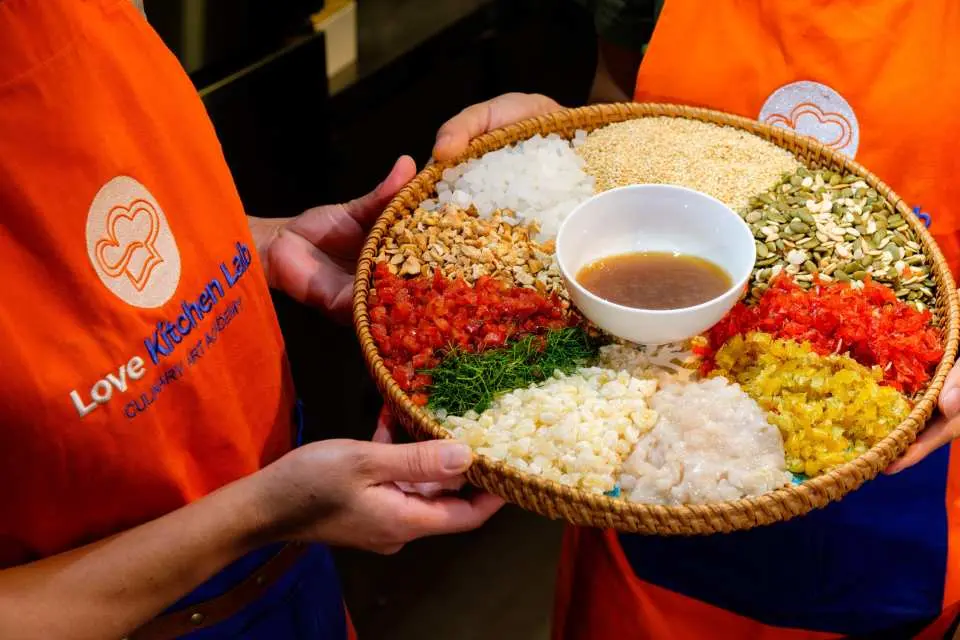
Let's prepare the filling together.

Prepare the dough for the pastry shell

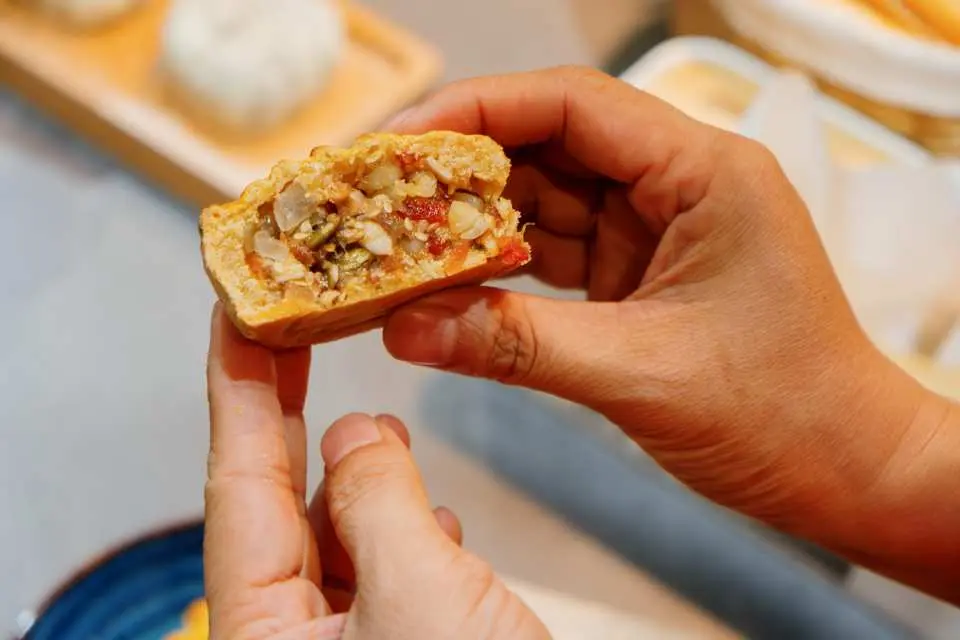
Making baked mooncake - the classic golden pastry with a rich filling.

Making Bánh dẻo (snow skin mooncake) – a soft and chewy mooncake traditionally enjoyed during the festival.

Enjoying Vietnamese tea

Enjoy Your Mooncakes & tea
What You Can Expect
1 Day
- 00:15Introduction to Mooncake Culture Your host will introduce the story of the Mid-Autumn Festival in Vietnam, the symbolism of mooncakes, and the ingredients used to make them. You’ll also learn about the different types of mooncakes and their regional variations.
- 01:15Make Baked Mooncakes (Bánh Nướng) Next, you will prepare traditional baked mooncakes, shaping the dough and filling before baking them in the oven. Your host will explain the techniques used to create the beautiful patterns on the mooncake surface.
- 01:45Make Snow Skin Mooncakes (Bánh Dẻo) You will start by preparing snow skin mooncakes, which are soft and delicate. You’ll learn how to: - prepare the dough - wrap the filling - shape the mooncake using traditional molds
- 02:15Vietnamese Tea Tasting While the mooncakes are baking, enjoy a tasting of three popular Vietnamese teas, commonly served with sweets and desserts: Possible teas include: - Lotus Tea – delicate and fragrant - Jasmine Tea – light and floral - Green Tea – fresh and refreshing Your host will explain how tea complements mooncakes and why tea culture plays an important role in Vietnamese hospitality.
- 02:30Enjoy Your Mooncakes. Finally, you will enjoy the mooncakes you made together with tea, or pack them to take home as a memorable souvenir from your experience.


Purchase Notice
- For every booking, $1 will be donated to our charity program providing meals for pediatric patients in central Hanoi hospitals. To our team, we believe in giving back to the communities we work with, and your participation directly supports this mission.
- A 50% discount is available for guests with disabilities and senior participants over 80 years old.
Surcharge(s)
Holiday Extra Services
An additional service fee will be applied on major public holidays such as New Year's Eve and other celebrations.
Reminders
Please arrive at the designated location 5 minute(s) before the scheduled departure time, as the tour will depart on time
How to Redeem Your Voucher
How to Use Your Voucher
- Please present the e-voucher on-site
Experience Location
Location Name: Love Kitchen Lab
Address: 519 Đường Âu Cơ, Nhật Tân, Tây Hồ, Hà Nội, Việt Nam
Monday 09:00–18:00
Tuesday 09:00–18:00
Wednesday 09:00–18:00
Thursday 09:00–18:00
Friday 09:00–18:00
Saturday 09:00–18:00
Sunday 09:00–18:00
FAQ
1. What types of traditional Vietnamese teas are typically included in a tasting experience like the mooncake class?
In a traditional Vietnamese tea tasting, you might encounter popular varieties such as green tea (trà xanh), lotus tea (trà sen), or jasmine tea (trà lài). These teas are often chosen for their delicate flavors and aromatic qualities, which complement the sweetness of mooncakes. They are culturally significant, frequently served during family gatherings and festive celebrations like the Mid-Autumn Festival.
2. What are the health benefits commonly associated with traditional Vietnamese tea?
Traditional Vietnamese teas, particularly green and herbal varieties, are often associated with various health benefits. They are rich in antioxidants, which can help boost immunity and reduce inflammation. Some teas are believed to aid digestion, promote relaxation, and contribute to overall well-being. Consuming these teas is part of a healthy lifestyle in Vietnamese culture.
3. What are some general cultural norms visitors should be aware of when participating in a Vietnamese mooncake making class?
When participating in a Vietnamese cultural class, it's respectful to dress modestly. Punctuality is appreciated, and removing shoes before entering certain areas might be customary. It's polite to use both hands when giving or receiving items and to show respect to elders or instructors. An open and enthusiastic attitude towards learning and engaging with the local culture is always welcomed.
4. Is the Mid-Autumn Festival, where Vietnamese mooncakes are central, a celebration open to people of all cultural and religious backgrounds?
Yes, the Mid-Autumn Festival in Vietnam is primarily a cultural celebration focusing on family reunion, thanksgiving, and harvest. While it has historical roots, it is widely observed by people of diverse backgrounds, including various cultural and religious groups. The appreciation of mooncakes and lanterns, and the joy of family gatherings, are universal aspects that transcend specific religious affiliations.
5. What is the typical nutritional and caloric content of traditional Vietnamese mooncakes, such as bánh nướng and bánh dẻo?
Traditional Vietnamese mooncakes, like bánh nướng (baked) and bánh dẻo (snow skin), are generally calorie-dense due to their rich fillings and crusts. Common ingredients include lotus seed paste, mung bean paste, salted egg yolks, and sometimes meat or nuts, all of which contribute to their nutritional profile. They are considered a festive treat, typically enjoyed in small portions with tea.
6. Beyond mooncake making, what are the key traditions and celebrations associated with the Mid-Autumn Festival in Vietnam?
In Vietnam, the Mid-Autumn Festival (Tết Trung Thu) is a joyful occasion, particularly for children. Beyond mooncake making and eating, key traditions include lion dances (múa lân), carrying colorful lanterns in parades, and children receiving toys and gifts. Families gather to admire the full moon, share mooncakes, and enjoy tea, symbolizing reunion and prosperity.
7. What are the two main types of Vietnamese mooncakes, bánh nướng and bánh dẻo, taught in the class, and what distinguishes them?
The class teaches two main types of Vietnamese mooncakes: bánh nướng (baked mooncakes) and bánh dẻo (snow skin mooncakes). Bánh nướng features a golden-brown, baked crust and often a rich, dense filling. Bánh dẻo, on the other hand, has a soft, chewy, translucent skin that is not baked, made from glutinous rice flour, and typically contains lighter, sweeter fillings. Both are symbolic treats for the Mid-Autumn Festival.
8. Why are certain traditional Vietnamese teas paired with mooncakes during the tasting session of the class?
Traditional Vietnamese teas are carefully chosen to pair with mooncakes to enhance the overall tasting experience and balance their rich flavors. The slight bitterness and aromatic qualities of teas like green tea or lotus tea can cut through the sweetness and richness of mooncakes, cleansing the palate. This pairing is a cherished part of the Mid-Autumn Festival tradition, promoting enjoyment and digestion during family gatherings.


