



Keelung | Harbor Culture Walking Tour: Authentic Zhengbin Flavor - Fisheries vs. Indigenous Mysteries | Experience Itinerary
Explore the past of this century-old fishing port through architecture, industry, and geography
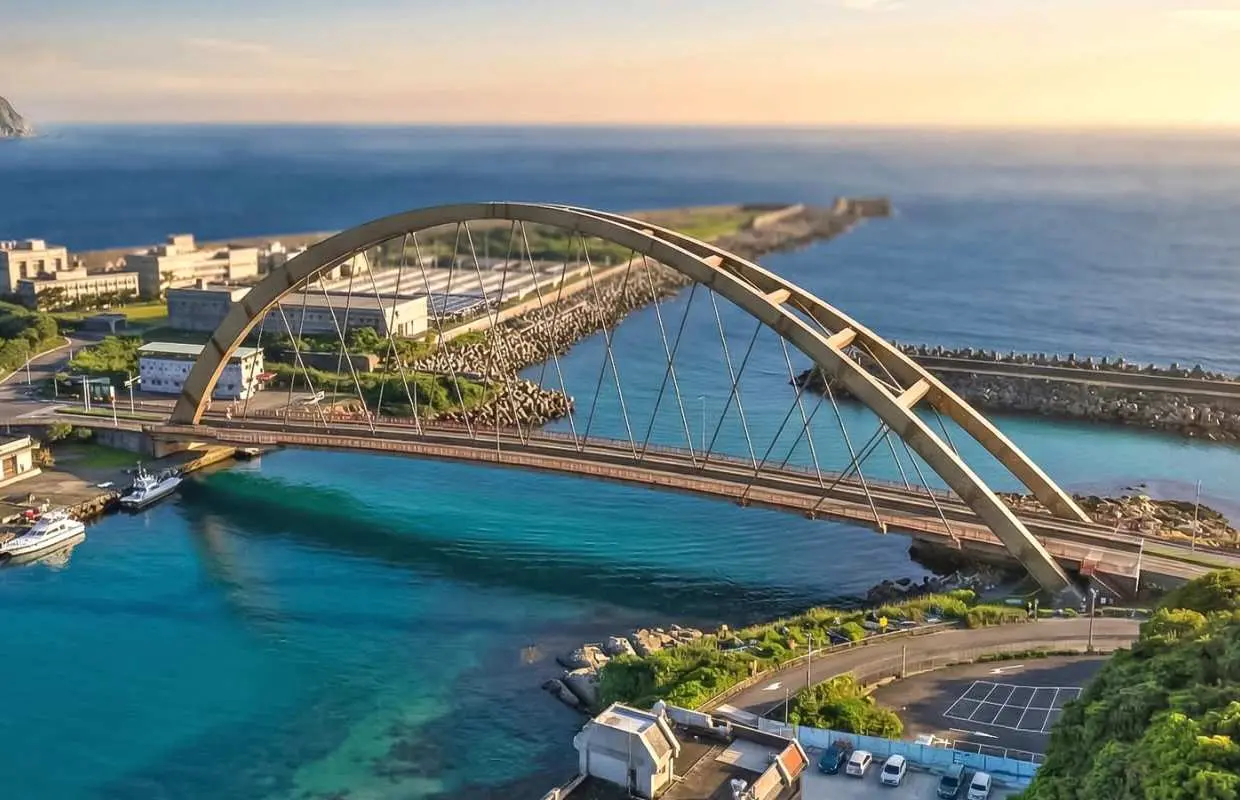
Discover the Alabao Bay and Chihao tribes in Zhengbin and Heping Island
Product Info
What You Can Expect
1 Day
- 00:00From Badoumen Parking Lot

Purchase Notice
Event Time: 10:00-14:00
Meeting point: Bazhimen Parking Lot (No. 11, Lane 2, Heyi Road, Zhongzheng District, Keelung City)
Alternatively, you can take the free shuttle bus at the Keelung Railway Station South Exit Platform at 09:20 (you can indicate your needs when filling out the registration form).
Walking tour × Eco-friendly × Bonus: Original price NT$1,280. Special introductory price NT$999 (includes tour guide, indigenous specialty bento box, DIY materials, instructor fee, and insurance).
Bonus: a free stainless steel eco-friendly spoon (valued at NT$350).
Includes/Excludes
- Lunch
- Travel safety insurance
Reminders
Precautions
-A pre-departure notice will be sent; please be sure to provide an email address that can receive emails.
-If you are unable to participate in the event after registering for any reason, please inform us one week before the event date.
The organizer reserves the right to modify, alter, cancel, or suspend this event, depending on the on-site situation. The organizer also has the right to adjust the event schedule for the day. Any other matters not covered herein, or any changes or modifications, will be notified separately.
-In the event of natural disasters such as typhoons or earthquakes that prevent the event from taking place, the announcement from the competent authority shall prevail.
Please confirm your participation 3 days in advance. If the minimum number of participants is not reached, the trip will be cancelled.
How to Redeem Your Voucher
How to Use Your Voucher
- Please present the e-voucher on-site
Meeting Point
Location Name: From Badoumen Parking Lot
Address: No. 11, Ln. 2, Heping 1st Rd., Zhongzheng Dist., Keelung City 202, Taiwan (R.O.C.)Cancellation Policy
- Cancellations 8 day(s) (inclusive) before the selected date are allowed. Unused orders can be canceled for free
- For cancellations made 4 to 7 days prior to selected date, a cancellation fee of 30% will apply
- For cancellations made 1 to 3 days prior to selected date, a cancellation fee of 50% will apply
- Cancellation is not allowed between 0–0 days from the selected date. Orders cannot be canceled or modified, and refunds will not be granted.
- Due to time zone differences, the confirmed cancellation date is based on the supplier’s local time. Please allow 2–5 business days to process your cancellation request, after which the cancellation fee will be charged according to the product’s cancellation policy. Once your refund request is confirmed, KKday will initiate the refund to your original payment method within 15 days. The actual refund timing depends on your card-issuing bank’s policy.
FAQ
1. What dining options are available around Zhengbin Fishing Port?
Zhengbin Fishing Port is known for its 'Colorful Houses' area, which features various small cafes and eateries offering local snacks and beverages. You can find fresh seafood restaurants nearby that serve dishes made from the day's catch, providing an authentic taste of Keelung's fishing culture. Look for local specialties such as seafood noodles and fried oysters, perfect for experiencing the local flavor.
2. What cultural insights can visitors gain during the Zhengbin Fishing Port walking tour?
The walking tour provides a deep dive into Zhengbin Fishing Port's century-old history. You'll learn about its past through its architecture, industries, and geographical evolution. The experience covers the port's transformation, the daily lives of local fishermen, and the significance of its maritime heritage, offering a rich understanding of its cultural tapestry and the authentic 'Zhengbin flavor'.
3. What indigenous tribal history is explored on Heping Island during the tour?
During the tour, you'll delve into the mysteries of the indigenous tribes around Zhengbin and Heping Island. Specifically, the experience explores the histories and cultural significance of the Alabawan and Qihou tribes. This includes insights into their traditional lives, unique customs, and their historical connections to these coastal areas, providing a unique perspective on the region's diverse heritage.
4. How can visitors best explore Zhengbin Fishing Port and Heping Island without a private car?
Exploring Zhengbin Fishing Port and Heping Island without a private car is convenient. You can reach Zhengbin Fishing Port by taking local buses from Keelung City. Once there, the 'Colorful Houses' area is easily walkable. To get to Heping Island from Zhengbin, local buses are also readily available, making it accessible for a seamless experience between these two culturally rich locations. Many visitors also enjoy walking between the two nearby areas for a leisurely pace.
5. When is the most suitable time of year to take a cultural walking tour of Zhengbin Fishing Port and Heping Island?
The most suitable time to take a cultural walking tour of Zhengbin Fishing Port and Heping Island is typically during spring (March to May) and autumn (September to November). During these seasons, the weather is generally milder and more pleasant for outdoor exploration, avoiding the intense heat of summer and the cooler, wetter conditions of winter. This allows for comfortable enjoyment of the port's unique atmosphere and historical sites.
6. What unique architectural features can be observed at Zhengbin Fishing Port?
Zhengbin Fishing Port is famous for its vibrant 'Colorful Houses' lining the harbor, originally built by the Japanese and later repainted. Beyond these iconic buildings, the tour also highlights historical architecture reflecting its past as a major fishing hub. You can observe structures that showcase the port's industrial heritage and transformation over the decades, offering a glimpse into its unique architectural evolution and its century-old face.
7. What makes Zhengbin Fishing Port a unique destination compared to other Taiwanese fishing villages?
Zhengbin Fishing Port stands out due to its distinctive blend of historical significance, vibrant architecture, and rich cultural narrative, including both fishery and indigenous elements. Unlike many other fishing villages, it offers a direct window into its past as Taiwan's first modern fishing port, combined with the iconic 'Colorful Houses' and the exploration of local aboriginal tribes (Alabawan and Qihou) on nearby Heping Island. This combination creates an authentic and multifaceted experience.
8. What historical industries are discussed during the Zhengbin Fishing Port tour?
The Zhengbin Fishing Port walking tour provides an in-depth look at the port's historical industries, primarily focusing on its significant role in the fishing industry. Visitors will learn about the evolution of fishery practices, the various types of catches, and the economic impact of the port throughout its century-long history. This includes understanding the transformation of its industrial landscape and its contribution to Keelung's maritime heritage.
Get Help


