



Traditional Hanbok Experience at Gyeongbokgung Palace in Seoul | South Korea
Stroll through Bukchon Hanok Village and Samcheong-dong in a beautiful hanbok. Enjoy a unique experience that blends tradition and modern fun in Seoul!
- Rent a complete hanbok set, including Korean hairstyles and accessories
- Explore Gyeongbokgung, the largest of the Five Grand Palaces, in traditional attire
- Feel like royalty for a day with this immersive cultural experience
- Learn about Korea’s rich history while walking through historic streets
Package Options
Cultural Experiences
| Location | Outdoor |
| Experience type | Costume rental |
| Rental duration | 2 hours, 4 hours |
| Outfit type | Hanbok |
Product Info
The content of this product is provided by machine translation and may not reflect the actual information, please take this into consideration before booking.
— What You Can Expect —
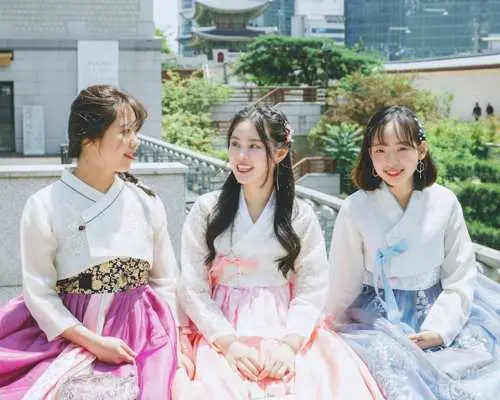
Enjoy a cultural journey through Gyeongbokgung Palace and Bukchon Hanok Village while dressed in a stunning hanbok.
Choose from over 600 designs and pair your outfit with a stylish Korean updo and accessories. Capture memorable photos at historic landmarks before strolling through the scenic pavilions and traditional hanok houses.
Immerse yourself in Korea’s past with this unforgettable hanbok experience.
— Package Information —
Rental Time Options
- 2-hour Hanbok rental
- 4-hour Hanbok rental
- Children’s Hanbok rental (2-hour or 4-hour)
Hanbok Style Options
- Premium Hanbok – Traditional Korean wedding hanbok
- Themed Hanbok
- Women: Choose from entertainer, daily wear, summer, or winter hanbok
- Men: Choose from official, scholar, court dress, or other historical costumes - Traditional Hanbok – Classic hanbok designs
— Important Information —
- Eligibility: Open to all travelers Voucher
- Validity: Only for selected dates and time slots
- Operating Hours: 9:00 am–6:00 pm (closed on Tuesdays)
- Location: Gyeongbok Palace Branch
- English Address: 45 Sagan-dong, Jongno-gu, Seoul,
- Korea Korean Address: 서울시 종로구 사간동 45번지 - How to Get There:
- From Anguk Station (Exit 1)
- From Gyeongbokgung Station (Exit 5) - Duration: 2 hours to a full day, depending on the selected package
Choose from a variety of hanbok styles


Upgrade your look with optional hairstyling services


Accessorize with traditional Korean ornaments


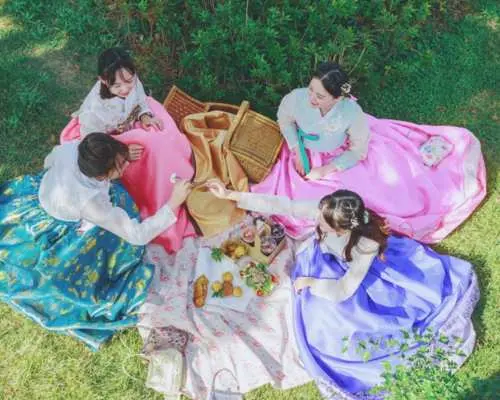
Capture fun moments with friends in hanbok


Take stunning photos at nearby attractions


Enjoy a traditional hanbok photoshoot experience


Explore the beautiful surroundings of Gyeongbokgung Palace


Stroll through historic streets in hanbok


Create lasting memories with loved ones in a traditional setting


Purchase Notice
- Please note that damages to the rented Hanbok will incur a surcharge for compensation
- Please note that English services are available daily, Chinese services are available from Monday to Friday, and Japanese services are available on Wednesdays and Fridays
Includes/Excludes
Surcharge(s)
Please note that hairstyling services are available for an additional fee of ₩5,000, to be paid on-site. Also, traditional shoes or hat rental is available for an additional fee of ₩5,000, to be paid on-site
Overtime Rental Surcharge
Please return the Hanbok before 6:00 pm. A surcharge of ₩10,000/hr will apply for rentals that go overtime
Reminders
Please put your clothes and belongings in a black bag and take care of them until payment. (There is a risk of it being mixed with other guests’ bags or being lost.) Be sure to take your wallet with cash or valuables with you.
How to Redeem Your Voucher
How to Use Your Voucher
- Please present the e-voucher on-site
Validity Period
- The voucher must be used on the selected date and within operating hours; Invalid after expiration
Experience Location
Location Name: 3355 Hanbok
Address: 서울시 종로구 사간동 45번지 (45 Sagan-dong, Jongro-gu, Seoul, Korea)
Monday 09:00–17:00 (Last Entry Time: 16:00)
Tuesday Closed
Wednesday 09:00–17:00 (Last Entry Time: 16:00)
Thursday 09:00–17:00 (Last Entry Time: 16:00)
Friday 09:00–17:00 (Last Entry Time: 16:00)
Saturday 09:00–17:00 (Last Entry Time: 16:00)
Sunday 09:00–17:00 (Last Entry Time: 16:00)

Cancellation Policy
- Cancellations 2 day(s) (inclusive) before the selected date are allowed. Unused orders can be canceled for free
- Cancellation is not allowed between 0–1 days from the selected date. Orders cannot be canceled or modified, and refunds will not be granted.
- Due to time zone differences, the confirmed cancellation date is based on the supplier’s local time. Please allow 2–5 business days to process your cancellation request, after which the cancellation fee will be charged according to the product’s cancellation policy. Once the cancellation is confirmed, you will receive your refund within 14 working days.
FAQ
Gyeongbokgung Palace, built in 1395, is the largest and arguably the most beautiful of Seoul's Five Grand Palaces, serving as the main royal palace of the Joseon Dynasty. Key features include the grand Geunjeongjeon (main throne hall), the picturesque Gyeonghoeru Pavilion (a royal banquet hall on a pond), and the serene Hyangwonjeong Pavilion. Its intricate architecture, expansive grounds, and historical significance offer a profound glimpse into Korea's royal past.
A Traditional Hanbok Experience at Gyeongbokgung Palace typically involves renting a complete hanbok set, which often includes the traditional attire, accessories, and even hair styling. Wearing a hanbok allows you to immerse yourself in Korean culture while exploring Gyeongbokgung Palace, Bukchon Hanok Village, and Samcheong-dong. It’s a unique way to experience history, take memorable photos, and feel like royalty for a day.
Gyeongbokgung Palace generally requires an admission fee for entry. However, a significant benefit for visitors is that those wearing a full traditional hanbok can enter the palace grounds for free. This policy encourages cultural immersion and enhances the experience. It's always recommended to check the official palace website for current operating hours, specific entry fees, and any temporary closures before your visit.
The Royal Guard Changing Ceremony at Gyeongbokgung Palace is a captivating display of traditional Korean culture. It typically takes place twice daily, at 10:00 AM and 2:00 PM, except on Tuesdays when the palace is closed. The ceremony occurs at Gwanghwamun Gate, the main entrance, showcasing guards in vibrant traditional costumes performing ancient rituals. Arriving a little early is advised to secure a good viewing spot.
The most convenient way to reach Gyeongbokgung Palace from central Seoul is by subway. Take Seoul Subway Line 3 and alight at Gyeongbokgung Station, using Exit 5. The palace entrance is directly accessible from this exit, offering immediate access to the historical grounds. Alternatively, you can take Line 5 to Gwanghwamun Station, Exit 2, and enjoy a pleasant 10-minute walk to the main Gwanghwamun Gate.
Yes, visitors can easily walk from Gyeongbokgung Palace to nearby cultural attractions. Bukchon Hanok Village, famous for its traditional Korean houses, is situated directly between Gyeongbokgung and Changdeokgung Palaces, and it's a pleasant 10 to 15-minute walk from Gyeongbokgung. Samcheong-dong, known for its charming cafes and art galleries, is also within comfortable walking distance, making it convenient to explore these areas together.
For comfort and ease of movement during your Gyeongbokgung Palace hanbok experience, it's recommended to wear light, simple clothing underneath. A thin t-shirt or camisole paired with shorts or leggings works well, as it helps the hanbok drape correctly without adding unnecessary bulk. Avoid thick fabrics or clothing with prominent collars, which might show through or feel restrictive. During colder seasons, light thermal wear can be added discreetly.
Gyeongbokgung Palace holds immense significance as it was the primary and largest royal palace of the Joseon Dynasty, established in 1395. It served as the heart of the capital for centuries, symbolizing the power and prestige of the ruling dynasty. Its meticulous reconstruction and preservation efforts after various destructions allow visitors to witness the grandeur and architectural brilliance that defined Korea's imperial past, making it a pivotal cultural and historical landmark.
Get Help


