



Ho Chi Minh City | City Landmarks & Cu Chi Tunnels Full-Day Tour | War Museum, Independence Palace & Underground Tunnel Experience Included
- Explore Ho Chi Minh City's most iconic landmarks — the Independence Palace (Reunification Palace), Notre Dame Cathedral, and Central Post Office — with expert historical commentary from your guide.
- Gain powerful insights into Vietnam's wartime history at the War Remnants Museum, featuring authentic photographs, military artifacts, and firsthand accounts of the Vietnam War.
- Crawl through real Cu Chi Tunnel passages, discover hidden trapdoors, underground kitchens, field hospitals, and weapon factories — preserved exactly as they were during the Vietnam War.
- Taste cassava and hot tea — the daily wartime staple of Viet Cong guerrilla fighters — and take an optional shot at the on-site AK-47 / M16 firing range optional shooting range experience (own expense).
- Small-group experience with hotel pickup included from Ben Thanh Ward, Cau Ong Lanh Ward, and Sai Gon Ward, District 1, Ho Chi Minh City — choose between a 12-pax coach or a premium 9-pax limousine van.
Package Options


Sightseeing Tours
| Tour Type | Shared tour |
| Transportation method | Hotel transfer |
| Tour types | Guided tour |
| Meal arrangement | Lunch included |
| Additional service & facility | Transfer included |
| Sightseeing type | Museum tour, City walking tour, Historic site tour |
| Transport | Bus tour |
Product Info
- Ho Chi Minh City and Cu Chi Tunnels are two of Vietnam's most compellingdestinations — and this full-day small-group tour combines both into a single, seamlessly guided journey that covers the city's colonial grandeur, wartime history, and the extraordinary underground world built just 40 km away.
- Start your morning among the city's iconic landmarks. Spend your afternoon underground. Return to the city with a new perspective on one of the 20th century's most remarkable stories. With a maximum of 12 travelers (or 9 in the premium limousine option), this is Ho Chi Minh City and Cu Chi at their most personal, unhurried, and insightful.

The building where modern Vietnamese history pivoted. On April 30, 1975, a North Vietnamese tank crashed through the gates of this presidential palace, bringing the Vietnam War to its end. Today the palace is preserved exactly as it was — offices, wartime bunkers, command rooms, and rooftop helipad — a vivid, walk-in time capsule of a defining moment in the 20th century.

Two of Southeast Asia's finest examples of French colonial architecture stand side by side in the heart of the city. Built entirely from materials imported from France in the 1880s, the cathedral remains a neo-Romanesque masterpiece. The adjacent Central Post Office, designed with the influence of Gustave Eiffel, is still fully operational today. (Cathedral exterior visit only — ongoing restoration works.)

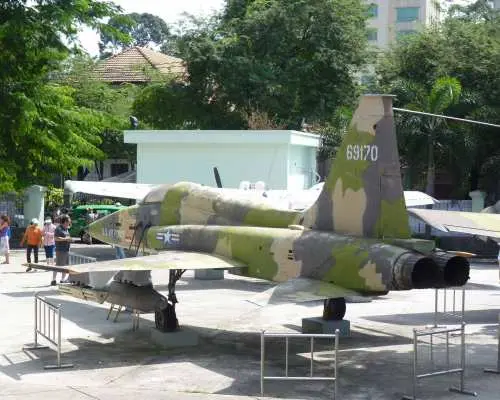
One of Vietnam's most visited and most affecting museums. Through wartime photography, military hardware, firsthand accounts, and preserved aircraft and tanks, the War Remnants Museum tells the story of the Vietnam War from the Vietnamese perspective — essential viewing for any traveler seeking a deeper understanding of Vietnam's history and resilience.

Arrive at Cu Chi and begin with a short documentary film that brings the remarkable story of the Cu Chi community to life — how tens of thousands of people lived, worked, planned, and fought in an underground city stretching over 250 km beneath the jungle. Then experience it yourself. Crawl through original tunnel sections and explore the underground rooms that kept an entire wartime community functioning: living quarters, weapon workshops, underground kitchens, field hospitals, and command bunkers — all preserved exactly as they were.

Surface to taste cassava and hot tea — the humble daily food of the Cu Chi guerrilla fighters. Simple, historic, and surprisingly moving.

For those who want to go further: an on-site shooting range offers the chance to fire an AK-47, M16, or other historical firearms under professional supervision. Additional fee applies, paid directly on-site.
Purchase Notice
- Please be reminded that this tour is not recommended for the elderly and people with disabilities.
- Please note that this is a shared tour and you will be part of a group with other tourists. The schedule may be slightly delayed depending on the group; please consider before booking.
- The Notre Dame Cathedral have been being restored, so the guests just visit outside.
- Please note that tour includes visits to several shopping sites. Purchase is not obligatory.
- The exact pickup time in the above prescribed ranges varies according to the position of the customers’ hotels or the pickup points they require.
- If you have any dietary restrictions, be sure to notify us so we can best accommodate you.
- Local agency has a right to refuse to provide support for customers if problems are caused by the customers’ careless mistakes and deliberated attempts (e.g. not providing a list of food the customers are allergic to, deliberated not to allow the instructions of tour guides, and not complying with local agency's regulations when joining tours)
- Requests of rescheduling tour will not be supported.
Reminders
Please arrive at designated location 10 mins prior to departure, as tour will depart on time
If you suffer from motion sickness, please take proper precautions in advance (i.e. medication).
It is suggested to bring hats, raincoats, and personal medication for the tour.
Feel free to contact us via our hotline (the phone number displayed on voucher)
The menu is subject to change seasonally or based on ingredient availability.
FAQ
1. What was the strategic significance of the Cu Chi Tunnels during the Vietnam War?
The Cu Chi Tunnels were a vital strategic base for the Viet Cong during the Vietnam War. This extensive underground network allowed them to control a large rural area near Saigon, serving as a command center, supply route, hospital, food and weapons storage, and living quarters. Its complexity and resilience allowed guerilla fighters to launch surprise attacks, disappear quickly, and withstand prolonged campaigns, profoundly impacting the war's outcome.
2. Is visiting the Cu Chi Tunnels a worthwhile experience for understanding Vietnam War history?
Visiting the Cu Chi Tunnels is highly recommended for anyone interested in understanding the ingenuity and harsh realities of the Vietnam War. It offers a unique, immersive experience where you can explore sections of the narrow tunnels, learn about the hidden trapdoors, war relics, and bunkers. Seeing the field hospitals and tasting wartime food like cassava and tea provides tangible insights into the daily lives and resilience of the soldiers.
3. What was the human impact and scale of casualties associated with the Cu Chi Tunnels?
The Cu Chi Tunnels represent a site of immense human sacrifice and suffering during the Vietnam War. While exact casualty figures for those within the tunnels are difficult to pinpoint, thousands of Viet Cong fighters and civilians endured incredibly harsh conditions, including disease, starvation, and constant threat of attack. The tunnels were a battleground where both sides faced severe losses, highlighting the devastating human cost of the conflict.
4. What kind of daily life and operations took place within the Cu Chi Tunnels during the war?
Daily life within the Cu Chi Tunnels was characterized by resilience and resourcefulness. The extensive network included living areas, kitchens, field hospitals, command centers, and even schools. Soldiers spent much of their time underground, enduring cramped, dark, and humid conditions. They cooked with smokeless kitchens, treated the wounded in hidden clinics, and planned operations, demonstrating an extraordinary ability to sustain themselves and continue fighting beneath the surface.
5. How can visitors navigate between key city attractions like the War Remnants Museum and Independence Palace in Ho Chi Minh City?
Key city attractions in Ho Chi Minh City, such as the War Remnants Museum and Independence Palace, are relatively close to each other. Visitors can often walk between them, enjoying the city's vibrant streets. Alternatively, ride-hailing apps like Grab are widely available and convenient for short distances. Local buses also connect these areas, offering an authentic experience for those comfortable with public transport. On organized tours, comfortable transportation is typically provided between all sites.
6. What are some general safety considerations for visitors exploring historical sites in Ho Chi Minh City like the War Remnants Museum?
When exploring historical sites in Ho Chi Minh City, such as the War Remnants Museum, visitors should prioritize general travel safety. Be aware of your surroundings, especially in crowded areas, to guard against petty theft. Exercise caution when crossing busy streets due to heavy motor traffic. It's also advisable to stay hydrated, wear comfortable shoes, and respect local customs and regulations to ensure a pleasant and safe experience.
7. What kind of exhibits can visitors expect to see at the War Remnants Museum in Ho Chi Minh City?
The War Remnants Museum features extensive wartime exhibits that offer a stark and powerful portrayal of the Vietnam War. Visitors can expect to see graphic photography, military hardware displayed outdoors (like tanks, helicopters, and artillery), and detailed sections on the effects of Agent Orange. Exhibits also cover the treatment of prisoners of war and the broader human cost of the conflict, providing a comprehensive, albeit somber, educational experience.
8. What significant historical events are associated with the Independence Palace in Ho Chi Minh City?
The Independence Palace, also known as Reunification Palace, is deeply associated with pivotal historical events in Vietnam. It served as the home and workplace of the President of South Vietnam during the Vietnam War. Most famously, it was the site where a North Vietnamese tank crashed through its gates on April 30, 1975, signaling the Fall of Saigon and the end of the war. Today, it stands as a symbol of Vietnam's reunification and offers insights into the country's past.


