



Skip-the-line guided tour of Pompeii from Sorrento
- Travel back in time and discover Pompeii on a half-day guided tour with an air-conditioned minibus from Sorrento.
Product Info
Purchase Notice
Reminders
Please refer to your voucher for final information regarding meeting points, pick-up locations, and pick-up time
Meeting point description: Meet your guide at the office "IAMME AI!" located in Piazza Torquato Tasso, behind the statue of Torquato Tasso.(Piazza Torquato Tasso 16, 80067 Sorrento NA, Italy)
Accessibility:This tour is not wheelchair accessible
Know in advance:Some areas may occasionally be closed due to events or maintenance. The guides will adjust the itinerary to ensure a great experience
Remember to bring:Your ID (also required for children under 18)
Comfortable shoes
A hat and sunscreen, especially during the summer months
How to Redeem Your Voucher
How to Use Your Voucher
- Please present the e-voucher on-site
Validity Period
- The voucher must be used on the selected date and within operating hours; Invalid after expiration
FAQ
1. What makes the ancient city of Pompeii a significant historical site to visit?
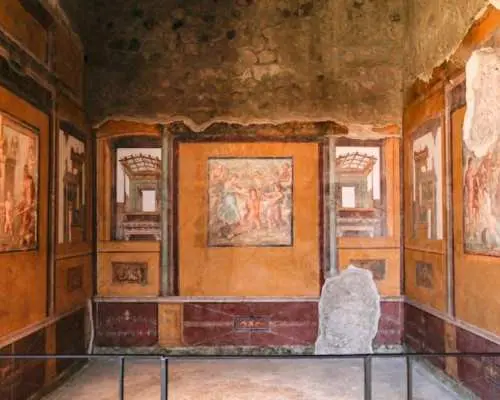
Pompeii is globally significant because it offers an unparalleled snapshot of ancient Roman life, perfectly preserved by volcanic ash from the AD 79 eruption of Mount Vesuvius. Visitors can explore well-preserved streets, homes, public buildings, and even frescoes, providing unique insights into the daily routines, social structures, and architectural styles of nearly 2,000 years ago. It's an invaluable archaeological record that tells a compelling human story.
2. How is Pompeii categorized as a 'dark tourism' destination, and what does this mean for visitors?
Pompeii is considered a 'dark tourism' site because it's a place associated with death, tragedy, and suffering, specifically the catastrophic eruption of Mount Vesuvius in AD 79. For visitors, this means encountering the poignant human cost of the disaster, seeing plaster casts of victims, and reflecting on themes of mortality and natural power. It encourages a contemplative and respectful approach to understanding history rather than purely recreational sightseeing.
3. What are the current safety considerations for visitors to Pompeii, given its proximity to Mount Vesuvius?
While visiting Pompeii, safety is managed by adhering to established archaeological site rules, which include staying on marked paths and respecting barriers. Mount Vesuvius is closely monitored by Italian authorities, with extensive warning systems in place. Visitors should always follow local guidelines and any instructions from their tour guides to ensure a safe and informative experience within the ruins.
4. What specific advantages does a guided tour offer for exploring the archaeological site of Pompeii?
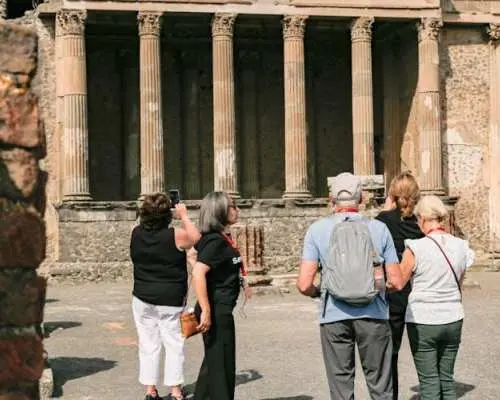
A guided tour of Pompeii provides numerous advantages for a richer experience. Expert guides offer in-depth historical context, explain complex archaeological findings, and highlight key features that might otherwise be overlooked. This enhances understanding of ancient Roman life and the eruption's impact. Additionally, many guided tours, like those departing from Sorrento, include comfortable, air-conditioned transportation and skip-the-line access, saving time and simplifying logistics.
5. What transportation options are available for visiting Pompeii from Sorrento, and what are their benefits?
Several convenient transportation options exist for visiting Pompeii from Sorrento. One popular choice is a dedicated guided tour that includes round-trip air-conditioned minibus transport directly from Sorrento, offering a comfortable and hassle-free journey. Alternatively, visitors can take the Circumvesuviana train from Sorrento directly to the Pompeii Scavi-Villa dei Misteri station, which is a short walk from the entrance. Each option offers varying levels of convenience and independence.
6. What should visitors know about navigating the Pompeii archaeological site on foot, and is it easily accessible?
The Pompeii archaeological site is vast and primarily navigated on foot, involving walking over uneven ancient paving stones, some uphill sections, and steps. Visitors should wear comfortable, sturdy shoes. While efforts have been made to improve accessibility, some areas may be challenging for those with mobility issues. Maps are available, and a guided tour can help navigate the most important and accessible sections efficiently.
7. How can visitors select a suitable guided tour of Pompeii to maximize their experience?
When selecting a guided tour of Pompeii, consider factors such as tour duration, group size, and specific historical focus. Look for tours led by certified archaeologists or expert local guides who can provide detailed narratives. Confirm if the tour includes convenient round-trip transportation, especially if traveling from specific locations like Sorrento, and skip-the-line access to optimize your time within the site. You can explore various options on KKday, which offers a selection of reputable guided tours designed to enhance your understanding and enjoyment of Pompeii, often including convenient logistics.
8. How does the preserved state of Pompeii offer unique insights into ancient Roman daily life?
The remarkable preservation of Pompeii provides unparalleled insights into ancient Roman daily life. The ash from Vesuvius perfectly encapsulated buildings, artifacts, and even organic materials. This means visitors can see not just grand public structures but also private homes with their furnishings, bakeries with loaves of bread, amphorae, and detailed frescoes, offering a vivid, intimate look at the everyday existence, economy, and culture of a bustling Roman city frozen in time.


