



Southern Phu Quoc Day Tour: Ho Quoc Pagoda And Fish Sauce Factory
- Witness the charm of Ho Quoc Pagoda, inspired by Mahayana architecture
- Have the privilege of drinking best-tasting Sim wine
- Learn the artistic and delicate way of making fish sauce
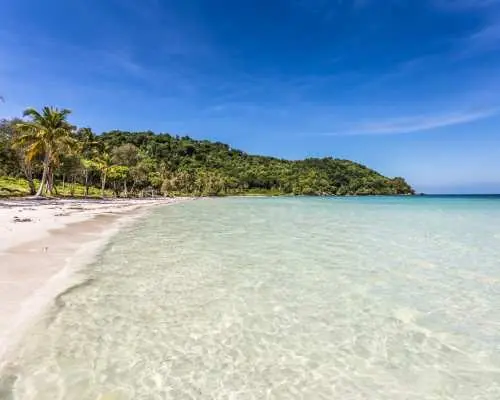
- Be one with nature and have lunch at a great spot at Sao Beach
Package Options


Product Info
Important Info
Reminders
A minimum of 1 traveler(s) are required for the tour to depart. If the number of participants does not reach the minimum requirement, the tour will be canceled. An email regarding tour cancellation will be sent 1 day(s) before the departure date
Please arrive at the designated location 10 minute(s) before the scheduled departure time, as the tour will depart on time
Please inform us of any dietary restrictions in the "Remarks & Requests" section when booking.
FAQ
The southern region of Phu Quoc Island boasts a variety of distinctive attractions worth visiting. Among them, the majestic Ho Quoc Pagoda, the island's largest Buddhist temple, offers a serene atmosphere and exceptional sea views. You can also visit the Coconut Prison, which recounts history and provides insight into the local past. Additionally, the pristine white sands of Sao Beach are an ideal spot for relaxation and enjoying a seafood lunch. A visit to a fish sauce factory is also often included in tours to experience local culture.
A day tour of southern Phu Quoc typically covers several representative sites, allowing you to deeply experience the local charm. Key attractions include the grand and solemn Ho Quoc Pagoda, where you can admire sea views and feel Buddhist culture; Phu Quoc's famous industry, the fish sauce factory, to understand its production process; the historical site of Coconut Prison, offering insights into local history; and finally, a lunch enjoyed at the scenic Sao Beach amidst the island's picturesque scenery.
The best time to visit Phu Quoc Island is generally from November to April each year. This period falls within the dry season, characterized by cool, comfortable weather, low rainfall, and calm seas, making it ideal for water activities, beach relaxation, and island exploration. You can fully enjoy the sunshine, beaches, and various outdoor experiences, avoiding the potential impacts of the rainy season.
Ho Quoc Pagoda is Phu Quoc's largest temple, renowned for its magnificent scenery nestled between mountains and the sea, and its architectural style inspired by Mahayana Buddhism. During your visit, you can admire the exquisite temple structures, sculptures, and murals, and feel its tranquil and solemn atmosphere. The pagoda's prime location offers unparalleled sea views, making it an excellent spot for spiritual reflection and photography. It also provides an understanding of Vietnamese Buddhist culture and beliefs.
Visiting a Phu Quoc fish sauce factory is an excellent opportunity to delve into the local traditional industry. You will learn about the intricate production process of fish sauce, from fresh anchovies to fermentation, filtration, and aging, as well as how to discern its quality. Guided tours usually explain the importance of fish sauce in Vietnamese cuisine and allow you to taste authentic Phu Quoc fish sauce, experiencing its unique flavor and historical heritage.
Sao Beach (Starfish Beach) in Phu Quoc is famous for its fine, powder-like white sand and clear, azure waters, making it one of the island's most popular beaches. The sea here is calm and gentle, perfect for swimming, sunbathing, and snorkeling. Numerous restaurants along the coast offer fresh seafood, allowing visitors to enjoy lunch amidst beautiful scenery and soak in the relaxed tropical island atmosphere.
Sim wine is a specialty agricultural product of Phu Quoc, brewed from the fruit of the local "Sim" plant (rose myrtle). This nutrient-rich fruit produces a wine with a unique fruity aroma and a slightly sweet taste, offering a rich flavor. In Phu Quoc, you can taste this distinctive wine at fish sauce factories, local markets, or specialized wineries. It is also widely sold in souvenir shops and is a popular local gift.
In addition to Ho Quoc Pagoda and fish sauce factories, a southern Phu Quoc day tour often includes a visit to the Coconut Prison. This prison was used to detain political prisoners during the Vietnam War and is now open as a historical museum, showcasing the harsh lives of prisoners and their spirit of resistance at the time. Visiting this site allows tourists to gain a deeper understanding of Phu Quoc's modern history and appreciate the resilience of its people, holding significant educational value.
Get Help


