
Get Exclusive App Deals
Okinawa


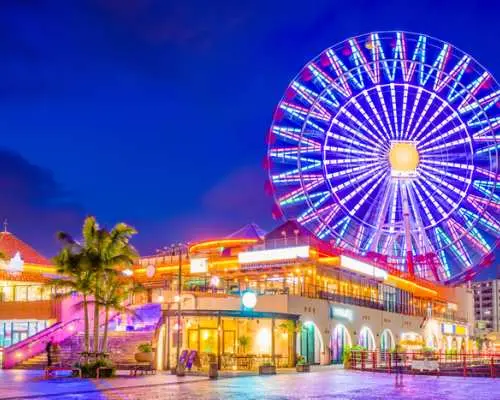










Top 10 Must-Do Experiences and Attractions in Okinawa


![[Buy Now & Use Immediately] Blue Cave Diving & Snorkeling Experience with Multilingual Instructors & Morning/Afternoon Session Discounts | Okinawa, Japan](https://image.kkday.com/image/get/c_fill%2Ch_153%2Cq_55%2Ct_webp%2Cw_272/s1.kkday.com/product_20577/20240528093714_NVZ5f/jpg)





Okinawa Trending place to visit
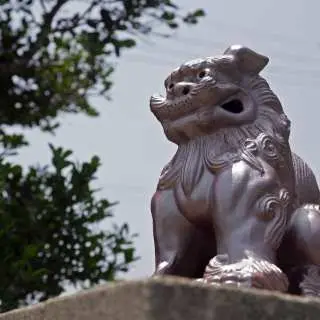
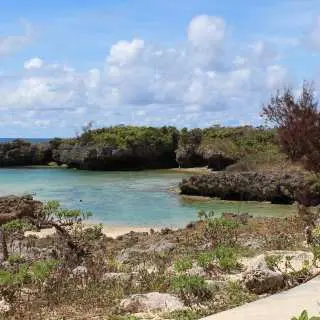
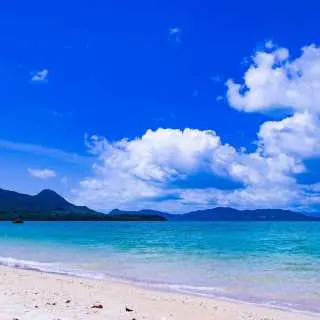
Latest launches and promotions in Okinawa


![[Departing from Chatan, Okinawa] New Route! September Nagannu Island Landing Free Plan](https://image.kkday.com/image/get/c_fill%2Ch_153%2Cq_55%2Ct_webp%2Cw_272/s1.kkday.com/product_771966/20260919064859_p5sgs/jpg)
![[Okinawa/Departing from Chatan/Full Day] 40 minutes by private cruiser! Kerama Islands National Park Nagannu Island Landing & Boat Snorkeling Plan ☆ Parasol & deck chair rental not included](https://image.kkday.com/image/get/c_fill%2Ch_153%2Cq_55%2Ct_webp%2Cw_272/s1.kkday.com/product_771961/20260920034342_y7LXN/jpg)
![[Okinawa/Departing from Chatan/Full Day] 40-minute cruise! Kerama Islands National Park: Naganu Island Landing & Free Swimming Plan ☆Free parasol & deck chair rental, lunch included☆](https://image.kkday.com/image/get/c_fill%2Ch_153%2Cq_55%2Ct_webp%2Cw_272/s1.kkday.com/product_771960/20260920033355_1wcaO/jpg)

![[Okinawa, Naha, Ginowan] Same-day booking available! '1-Activity Plan' Choose from the latest rides like banana boats or jet skis on-site on the day!](https://image.kkday.com/image/get/c_fill%2Ch_153%2Cq_55%2Ct_webp%2Cw_272/s1.kkday.com/product_770705/20260920130316_QMsi8/jpg)
![[Easy Overseas Golf Tee Time Booking] Emerald Coast Golf Links | Miyakojima, Japan](https://image.kkday.com/image/get/c_fill%2Ch_153%2Cq_55%2Ct_webp%2Cw_272/s1.kkday.com/product_scm_30244/20260914061808_LT6Qz/jpg)

Recommended travel destinations near Okinawa




Reviews of Okinawa activities


Okinawa Weather, Climate and Best Time to Visit
Data source:Meteostat
Update date:2025-09
Okinawa year round climate
- Spring (March–May): Average 19.3–23.2°C, warm and comfortable climate, abundant sunshine, but occasional showers. Common activities: Beach activities, diving, whale watching. Recommended clothing: Light long-sleeved clothing, light jacket.
- Summer (June–August): Average 26.3–29.5°C, hot and humid, heavier rainfall, frequent afternoon thunderstorms. Common activities: Swimming, surfing, water sports. Recommended clothing: Light and breathable short-sleeved clothing, shorts, sandals, hat.
- Autumn (September–November): Average 25.8–22.7°C, comfortable and pleasant climate, abundant sunshine, less rainfall. Common activities: Outdoor activities, sightseeing, diving. Recommended clothing: Long-sleeved shirts, light jacket.
- Winter (December–February): Average 16.9–18.1°C, warm and comfortable, little rain, abundant sunshine. Common activities: Sightseeing, beach walks, diving. Recommended clothing: Light jacket, long-sleeved clothing.
Okinawa climatological average
Annual average temperature: approx. 23°C / Annual rainfall: approx. 2742 mm / Summer humidity: 75%–85% / Rainiest month: June
Okinawa monthly average temperature and precipitation
Month
Air temperature (°C)
Precipitation (mm)
January
16.9°C
84.6
February
18°C
106.2
March
19.3°C
231.8
April
22.4°C
189.5
May
23.2°C
332.6
June
26.3°C
534
July
29.5°C
194.6
August
28.8°C
348.8
September
28°C
218.2
October
25.8°C
152.7
November
22.7°C
203.1
December
18.1°C
146.1
Okinawa weather for the next seven days
9/22
Tuesday
Sunny
27.9°C/23.8°C
9/23
Wednesday
Sunny
27.8°C/23.2°C
9/24
Thursday
Patchy rain nearby
27.8°C/24.5°C
9/25
Friday
Patchy rain nearby
28.7°C/25.3°C
9/26
Saturday
Patchy rain nearby
28.3°C/25.1°C
9/27
Sunday
Light rain shower
28°C/26.7°C
9/28
Monday
Light rain shower
27.5°C/26°C


