


六龜里山深度一日漫遊
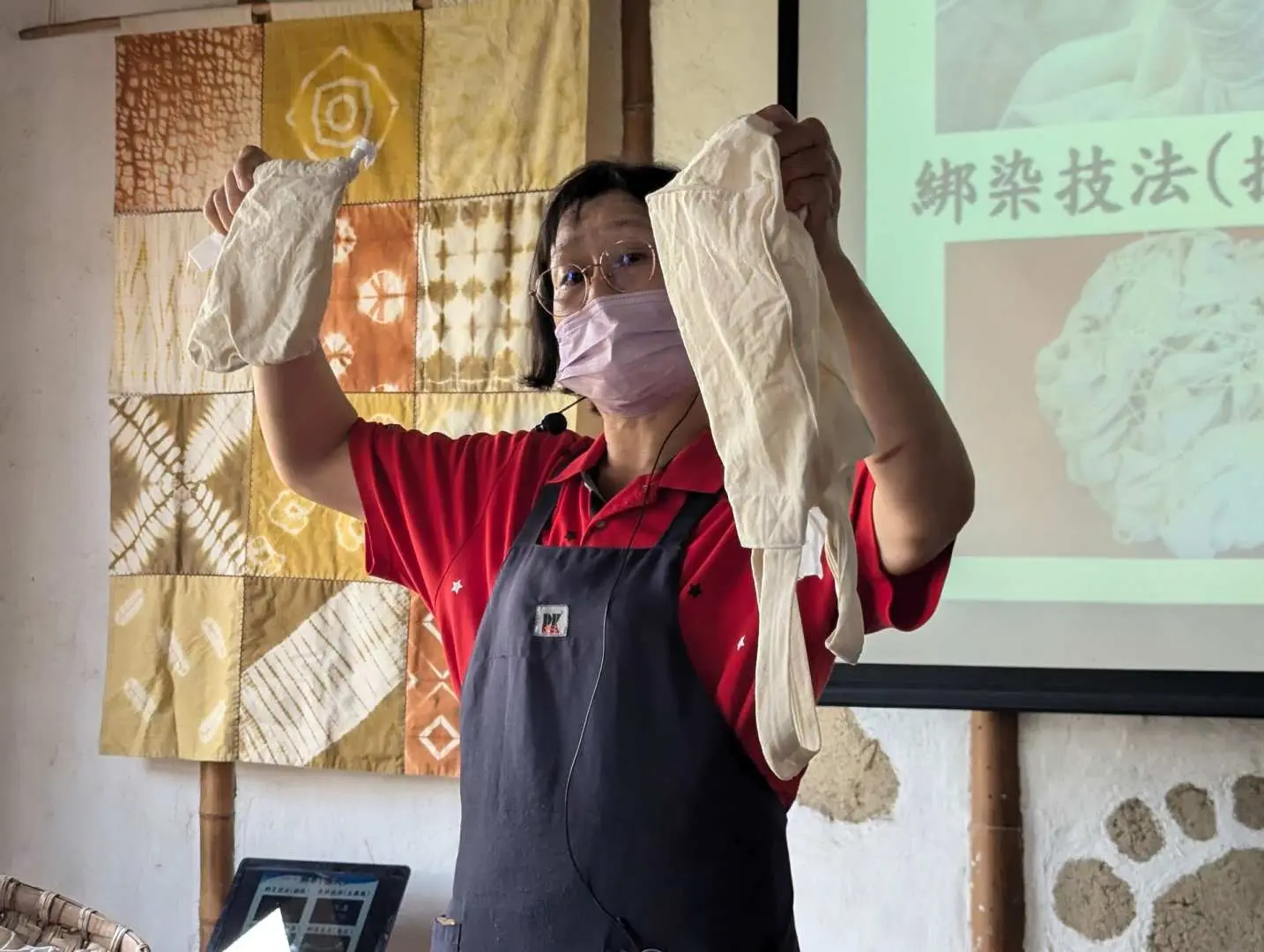
【檨仔腳手作】靠近寶來的檨仔腳共享文化空間,是在莫拉克風災後,大家一起齊心重新建立家園的新天地,在這裡有著寶來當地的文化,而「檨仔腳就是芒果樹的台語」,意旨大家聚在金煌芒果樹下共同努力,我們來到檨仔腳,享用當地傳統爐灶做的午餐,還有體驗植物染的束口袋,飽嚐當地石材佳餚和運用當地植物來手作染布,都是當地的文化傳承。
【六龜老街】位於高雄市六龜區的六龜老街,曾是昔日通往山區的重要交通樞紐與商業聚落。老街沿著荖濃溪而建,保留了不少日治時期與戰後的建築風貌,像是紅磚騎樓、老藥房、雜貨店與古早味冰品店,讓人一踏入便彷彿穿越時光。
【洪稇源】老街區「洪稇源商號」傳承至今,為第四代洪勝林先生,是當年六龜昔日先民「物品交易站」的地方。已有108年歷史的閩式建築,與華南路的「池田屋」,同屬六龜地區最重要的特色歷史老屋,有原住民物產的交易經驗,為提供往來六龜開採樟腦的腦丁、隘勇及其他移住人口必要的生活用品,於1912年7月開設「洪稇源商號」六龜支店,以經營雜貨、菸酒買賣及漢人、原住民的物品交易。
【池田屋】1929年池田兵太郎打造的旅舍,到後來的高雄客運站,走進擁有96年歲月痕跡的日式老屋。早年六龜林業發達,池田屋就地取材的智慧,完美呈現在每個建築細節中。從房屋的布基礎到牆體,皆採用荖濃溪卵石及溪畔菅莖,以漿砌卵石及編菅莖夾泥的特殊工法施作,這樣的建造方式有別於一般日式木造建築,成為高雄現存最珍貴的建築典範之一。
Product Info
What You Can Expect
1 Day
- 09:00高雄左營高鐵站集合
- 10:30新威森林公園
- 11:30午餐-檨仔腳共享文化空間
- 13:30檨仔腳手作-方巾束口袋
- 15:00六龜老街街巡禮-洪稇源、池田屋、太和堂藥房
- 18:00返抵高雄左營高鐵站




How to Redeem Your Voucher
How to Use Your Voucher
- Please present the e-voucher on-site
Meeting Point
Location Name: 高雄左營高鐵
Address: 台灣高雄左營區高鐵路左營高鐵載客區Experience Location
Location Name: 六龜
Address: 六龜區FAQ
At Shayajiao Shared Cultural Space, visitors can engage in various cultural experiences, including savoring traditional meals prepared in local stoves. A distinctive activity is the plant dyeing workshop, where participants can create a unique drawstring pouch using local plants. This space embodies the community's spirit of rebuilding and preserving local culture after natural disasters.
Liugui is known for unique local products tied to its culture and environment. While exploring, visitors might find agricultural specialties or handicrafts that reflect the region's traditions. For example, during the Shayajiao Handmade experience, guests create plant-dyed items, which represent the area's craft culture. Specific items available will vary, but they often showcase local ingredients or artisan skills.
Liugui Old Street showcases a blend of Japanese colonial and post-war architectural styles. As you stroll, you'll observe structures like red-brick arcades, traditional pharmacies, and old general stores. These buildings provide a glimpse into the street's past as a vital transportation hub and commercial center along the Laonong River.
Deep cultural tours in Liugui often include opportunities to enjoy authentic local cuisine. For instance, at Shayajiao Shared Cultural Space, guests are served traditional lunch made in a local stove, featuring dishes crafted from local stone materials and other regional ingredients. These meals reflect the culinary heritage and flavors of the Baolai area.
The Hong Kuanyuan Commercial Store, a 108-year-old Fujianese-style building, served as a crucial trading post in Liugui. Established in 1912, it facilitated trade between Han Chinese and indigenous peoples, offering general goods, tobacco, and alcohol. It was essential for providing daily necessities to camphor miners and other residents, marking its role as a significant economic and cultural hub in the old street area.
Chitianwu, built in 1929 by Ikeda Heitaro, is a rare example of Japanese-style architecture that uniquely incorporates local materials from Liugui. Its construction utilizes pebbles from the Laonong River and reed stems for its foundation and walls, employing special techniques like plastering pebbles and woven reed-clay mixtures. This innovative use of local resources makes it a precious architectural benchmark in Kaohsiung, distinct from typical Japanese wooden buildings.
At Shayajiao Handmade, visitors can immerse themselves in traditional craft experiences. A highlight is the plant dyeing workshop, where you learn to create a unique drawstring pouch using natural dyes derived from local plants. This activity allows participants to engage directly with Liugui's cultural heritage and artistic traditions, reflecting the community's collective efforts.
The cultural experiences in Liugui actively preserve traditional crafts and skills, particularly through activities like plant dyeing. At Shayajiao Handmade, the focus is on utilizing local plants to create natural dyes and apply them to fabric, such as drawstring pouches. This practice passes down indigenous knowledge and artisanal techniques, connecting visitors with Liugui's rich cultural heritage and community efforts.
Get Help


