
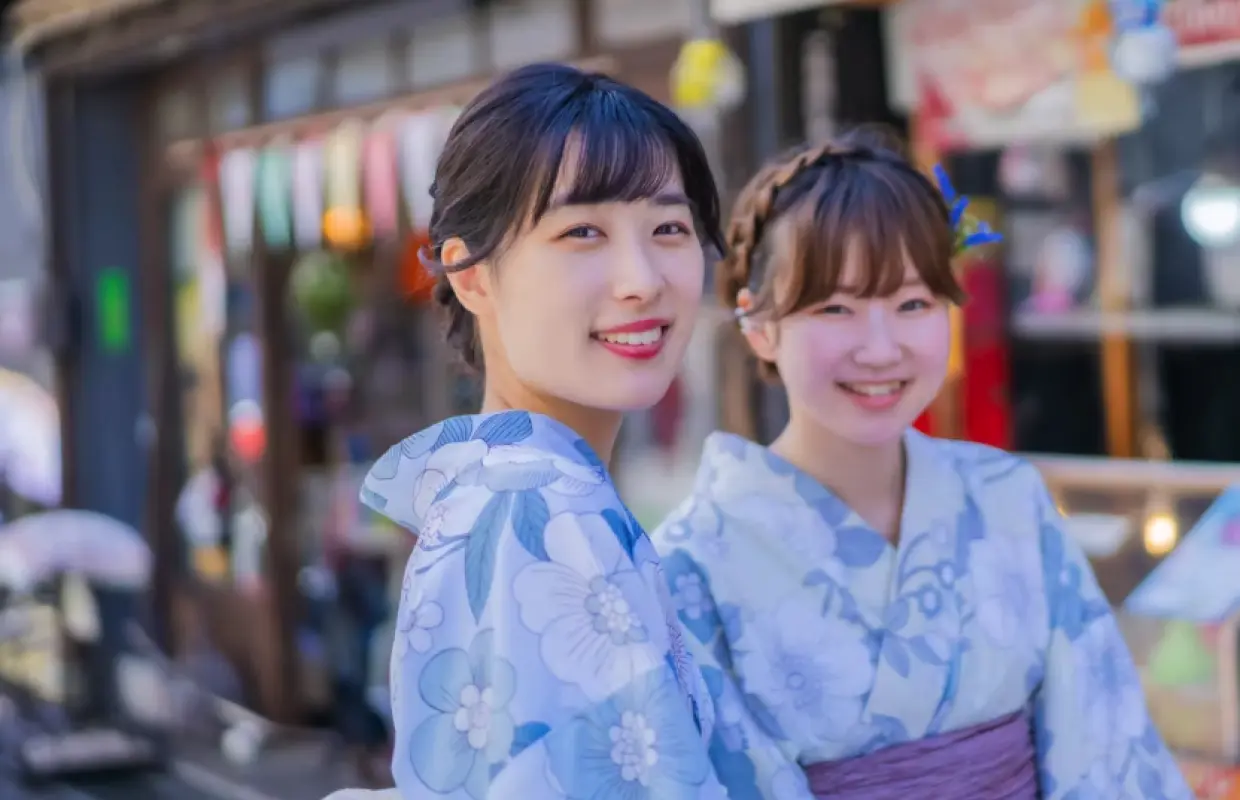




[Gifu/Hida Takayama] 1-hour snapshot photo shoot plan! Capture wonderful moments in Gifu
- We will show you the "special Hida Takayama" that we know because we operate a service that is extremely popular in Japan!
- Working with a professional photographer can give you a memorable photo that's a departure from your typical vacation photos.
- We will proceed according to your wishes regarding the location and time of the shoot.
- Families, couples, friends, and even solo travelers will appreciate having their special vacation memories captured in photos.
- Reservations can be made up to 3 days in advance.
Package Options
Cultural Experiences
| Location | Outdoor |
| Additional service & facility | Photography service |
Product Info
What You Can Expect
1 Day
- 00:00Takayama Jinya (Nationally Designated Historic Site): Takayama Jinya, the only main building still standing in Japan, is a place where you can enjoy the atmosphere as if you have traveled back in time.
- 00:00The old townscape (designated by the government as an Important Preservation District for Groups of Traditional Buildings) has a charming atmosphere that makes you feel as if you have traveled back in time.
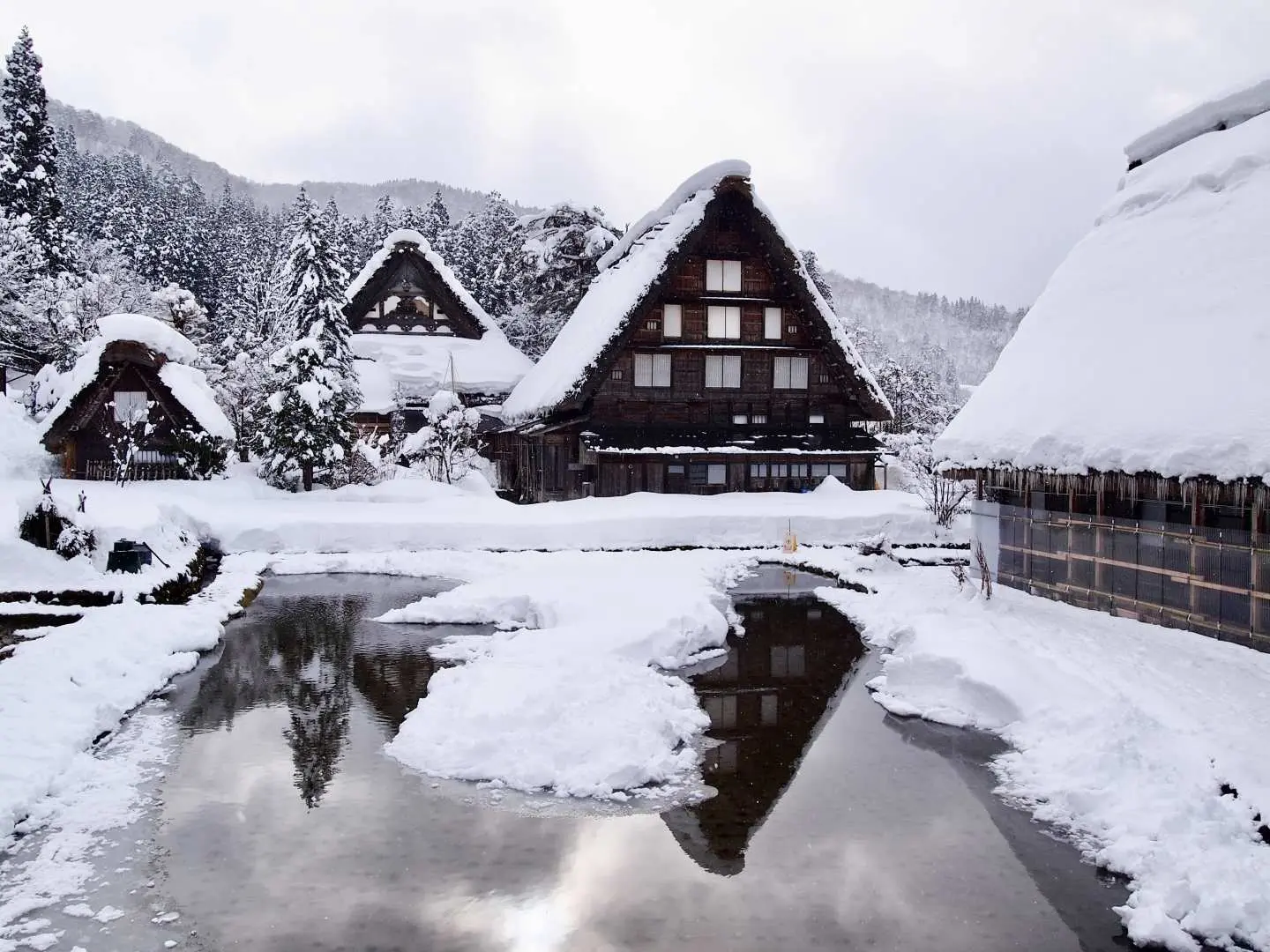
- 00:00This gassho-style village, which forms a beautiful landscape that can be called the original landscape of Japan, was selected as an important preservation district for groups of traditional buildings in 1976, and in 1995, along with Gokayama (Toyama Prefecture), it was designated as a gassho-style village in Shirakawa-go and Gokayama. It has been registered as a UNESCO World Heritage Site (Cultural Heritage). Shirakawa Village is a rural village surrounded by mountains, and while it is cool and comfortable in the summer, it is covered in snow in the winter. In February, snowfall can exceed 170 cm.
- 00:00This 1-hour photo shoot plan includes a meeting at the location and the start of the shoot. Since each customer's travel period and desired location is different, we will coordinate the location and time for the photo shoot at the same time as confirming the reservation.



Purchase Notice
・When booking, please let us know your preferred location for the photo shoot (please write it in the comments section).
・After your reservation is confirmed, you will be invited to a LINE group chat with your photographer or guide to ensure smooth communication during the tour.
If you do not have a LINE account, please download and register for the app in advance.
If you are unable to use LINE, please contact us separately.
- Please note that if you lose any of your belongings during the game, it will be difficult to get them back.
・Please be especially careful of injuries and accidents caused by customer negligence. It may be difficult to help.
・If you are late for the meeting, your photo shoot time may be shortened. Please be punctual.
*No refunds will be given in the event of a no-show (cancellation without permission) or late arrival.
・If rain is forecast for the location three days prior to the shoot, or if it suddenly rains on the day even though there is no forecast, please choose one of the following.
Please choose one of the following: 1) Change date 2) Change location (information on indoor photo shoot locations) 3) Cancel.
① Date change and ② Location change:
Please consult with the photographer via chat. We will need to confirm the photographer's schedule.
③In case of cancellation:
A full refund will be given and the reservation will be cancelled.
*Please note that if there is rain forecast three days before the shoot, we will contact you at that time.
・We recommend that you take out individual travel insurance.
Includes/Excludes
- 1 hour snapshot photo shoot
- 100-150 original photo data sheets + 10 corrected copies (if desired)
- Cashless medical treatment in case of injury or illness during the tour
- Food & Drink
- Transportation
- Admission to paid tourist attractions
- Other personal expenses
Reminders
Operating hours are from 8am until sunset, and once your reservation is confirmed, the time and specific location can be adjusted to suit your schedule.
(Please contact us separately for night photography outside of the listed hours.)
Once your reservation is confirmed, our staff will guide you through the insurance registration for "Cashless medical treatment in the event of injury or illness during the tour (tour date = insurance application date)." Please fill out the information form.
Please note that if you do not fill out this form, we will not be able to register your insurance.
How to Redeem Your Voucher
How to Use Your Voucher
- Please present the e-voucher on-site
Meeting Point
Location Name: Takayama City
Address: Takayama CityCancellation Policy
- Cancellations 4 day(s) (inclusive) before the selected date are allowed. Unused orders can be canceled for free
- For cancellations made 2 to 3 days prior to selected date, a cancellation fee of 10% will apply
- Cancellation is not allowed between 0–1 days from the selected date. Orders cannot be canceled or modified, and refunds will not be granted.
- Due to time zone differences, the confirmed cancellation date is based on the supplier’s local time. Please allow 2–5 business days to process your cancellation request, after which the cancellation fee will be charged according to the product’s cancellation policy. Once your refund request is confirmed, KKday will initiate the refund to your original payment method within 15 days. The actual refund timing depends on your card-issuing bank’s policy.
FAQ
1. What is the relationship between Hida, Takayama, and Hida Takayama when planning a visit?
Hida refers to the ancient province and the broader mountainous region in Gifu Prefecture. Takayama is a city within this Hida region, often called "Hida Takayama" due to its historical significance and as the main gateway. When planning a visit, "Hida Takayama" typically refers to Takayama City, known for its well-preserved Edo-period streets, traditional houses, and rich cultural heritage, making it the primary destination for travelers.
2. What cultural experiences and attractions are highlights in Hida Takayama?
Hida Takayama boasts several cultural highlights. The Sanmachi Suji old town offers a glimpse into Edo-period Japan with its traditional merchant houses, sake breweries, and craft shops. Visitors can explore the morning markets (Jinya-mae and Miyagawa) for local produce and crafts. The Takayama Festival Floats Exhibition Hall showcases intricate floats from the famous Takayama Festival. Trying Hida beef and local sake is also a quintessential cultural experience.
3. What makes Hida Takayama an appealing destination for travelers seeking traditional Japanese charm?
Hida Takayama's appeal lies in its remarkably preserved Edo-period townscape, offering an authentic journey back in time. The traditional wooden houses, narrow streets, and waterways evoke a nostalgic charm. It's renowned for its local crafts like Hida-shunkei lacquerware and wood carving, and the vibrant Takayama Festival is celebrated twice a year. The serene mountain setting and distinct regional cuisine, particularly Hida beef, further enhance its allure for those seeking a deep cultural immersion.
4. What distinct features does Hida Furukawa offer compared to Takayama for a day trip?
Hida Furukawa, a smaller town near Takayama, offers a more tranquil and intimate experience. It's famous for its picturesque white-walled storehouses lining the Seto River, where thousands of carp swim. This serene atmosphere is a distinct contrast to the slightly larger and more bustling Takayama. Furukawa also holds the Furukawa Festival, another impressive parade of floats. It provides a peaceful retreat and a chance to explore traditional Japanese townscapes on a more relaxed scale.
5. What are the primary transportation methods to reach Hida Takayama from major Japanese cities?
The most common ways to reach Hida Takayama are by train or bus. From Nagoya, the JR Hida Limited Express train offers a scenic journey directly to Takayama Station. Buses are also available from Nagoya, Osaka, and Tokyo, providing a more economical option. From Tokyo, taking the Shinkansen to Nagoya and then transferring to the JR Hida Limited Express is generally the fastest rail route. Direct highway buses from Shinjuku, Tokyo, are also an option.
6. How accessible is Hida Furukawa by train, and what are common routes from Takayama?
Hida Furukawa is very easily accessible by train. It's located just one stop north of Takayama on the JR Takayama Line. The train journey from Takayama Station to Hida-Furukawa Station is short, typically taking about 15 minutes. Trains run frequently, making it a convenient option for a day trip from Takayama. The station is also centrally located, allowing for easy exploration of the town on foot.
7. What are some highly recommended scenic spots or hidden gems in Hida Takayama for capturing memorable photos?
For memorable photos in Hida Takayama, the Sanmachi Suji historic district is a must, especially during quieter mornings or evenings. The Miyagawa Morning Market and Jinya-mae Market offer vibrant scenes. Hida Folk Village (Hida no Sato) provides traditional gassho-zukuri farmhouses set against a natural backdrop. For panoramic views, Shiroyama Park offers excellent vantage points, particularly during cherry blossom season or autumn. The Higashiyama Walking Course also reveals serene temples and traditional gardens.
8. When is the best time of year to experience Hida Takayama's unique atmosphere and beauty?
Hida Takayama offers unique beauty throughout the year. Spring (April-May) is popular for its cherry blossoms and the famous Spring Takayama Festival. Autumn (October-November) attracts visitors with stunning fall foliage and the Autumn Takayama Festival. Winter (December-March) transforms the town into a picturesque snowscape, especially enchanting with traditional architecture. Summer (June-August) is milder than other regions and offers lush greenery, perfect for exploring without extreme heat.
Get Help


