


Melbourne Great Ocean Road 2-Day Tour (Chinese Speaking) | Memorial Arch + Apollo Bay + Twelve Apostles + Loch Ard Gorge + London Bridge
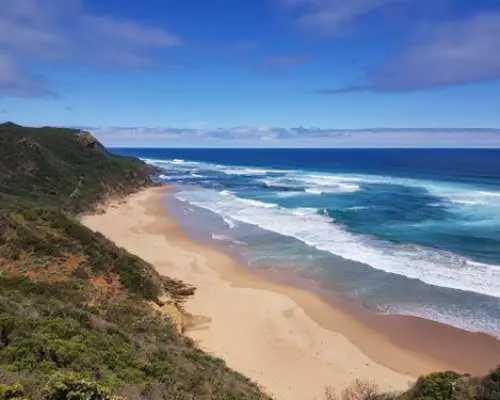
Located west of Melbourne, the Great Ocean Road is a coastal highway in Victoria, Australia. Spanning approximately 276 kilometers, it was built along cliffs to commemorate soldiers who fought in World War I and is known as one of the most beautiful coastal roads in the world. The coastal scenery of the Great Ocean Road is among the best in the world.
- Multiple pickup points in the city
- Classic coastal route
- Koala spotting at Kennett River
- 2-day, 1-night itinerary with more lookout stops
Package Options


Sightseeing Tours
| Tour Type | Shared tour |
| Tour types | Guided tour |
| Sightseeing type | Natural sights |
| Transport | Charter car |
Product Info
Purchase Notice
The minimum number of participants is 6. If the number of participants does not reach the minimum number of participants specified above, the tour will be cancelled and an email notification of the cancellation will be sent 3 days before the departure date.
. In autumn and winter, the weather on the coast is cold and windy, so please bring warm clothes; in summer, the sun is strong, so please bring your own sunscreen and clothing, and be careful of flies, but the mountains and the seaside are still cooler than the inland plains.
.The journey is long, please bring motion sickness medicine and water.
. Please purchase products according to your actual age. If you do not follow the regulations, additional fees will be charged on the spot after verification. Please be aware.
・This product does not include meals, but the driver will take passengers to the dining area and let passengers pay for it themselves. In addition, if you have special meal requirements, such as vegetarians, etc., local restaurants may not be able to meet your needs, so please prepare your own.
・This product does not include accommodation, and passengers are responsible for their own expenses.
Choose the nearest pick-up location carefully
Sunscreen and motion sickness pills
Tips $5/person (paid to the tour guide on the day)
There will be a text message notification the day before the tour. If you have a local phone number, please update it in time.
The company reserves the right to change the itinerary
Cancellation Policy
- Cancellations 3 day(s) (inclusive) before the selected date are allowed. Unused orders can be canceled for free
- Cancellation is not allowed between 0–2 days from the selected date. Orders cannot be canceled or modified, and refunds will not be granted.
- Due to time zone differences, the confirmed cancellation date is based on the supplier’s local time. Please allow 2–5 business days to process your cancellation request, after which the cancellation fee will be charged according to the product’s cancellation policy. Once your refund request is confirmed, KKday will initiate the refund to your original payment method within 15 days. The actual refund timing depends on your card-issuing bank’s policy.
FAQ
1. Is a one-day trip to the Great Ocean Road feasible from Melbourne, considering the distances to sights like Apollo Bay and London Bridge?
While a one-day trip to the Great Ocean Road from Melbourne is technically possible, it involves extensive driving and very limited time at each major attraction. To reach key sights like Apollo Bay, the Twelve Apostles, and London Bridge and return to Melbourne within a single day, the schedule would be very rushed. Many visitors find that a single day does not allow enough opportunity to truly soak in the stunning scenery, explore the charming towns, or enjoy additional activities like wildlife spotting. A multi-day tour offers a more relaxed and fulfilling experience.
2. When is the best time of year to visit the Great Ocean Road for optimal weather and viewing conditions at coastal lookout points?
The Great Ocean Road can be visited year-round, but spring (September to November) and autumn (March to May) generally offer the most pleasant weather for exploring coastal lookout points. During these seasons, temperatures are mild, rainfall is lower, and the crowds are typically smaller than in peak summer. Summer (December to February) is popular for its warm weather but can be very busy. Winter (June to August) brings cooler temperatures and more rain, but also dramatic skies and fewer tourists, offering a different, rugged beauty.
3. How many of the Twelve Apostles can visitors still observe from the viewing platforms along the Great Ocean Road today?
Currently, eight of the iconic Twelve Apostles limestone stacks remain standing and can be viewed from the main lookout points along the Great Ocean Road. The erosion from the powerful Southern Ocean waves continuously shapes these natural wonders, with stacks occasionally collapsing over time. Despite the changing numbers, the remaining Apostles, alongside other dramatic rock formations like Gibson Steps and Loch Ard Gorge, continue to offer breathtaking views of Victoria's rugged coastline.
4. Where exactly is the Great Ocean Road located in Victoria, Australia, and what are its notable starting and ending points?
The Great Ocean Road is located in the southwestern region of Victoria, Australia, stretching along the southeastern coast. It officially begins in the town of Torquay, approximately 100 kilometers southwest of Melbourne. The road then winds westward for about 243 kilometers, officially concluding near Allansford, just east of Warrnambool. This scenic route offers continuous views of the Southern Ocean, passing through various national parks, rainforests, and charming coastal towns.
5. What key features should be considered when selecting a Great Ocean Road tour that includes multiple scenic stops and comfortable travel?
When selecting a Great Ocean Road tour, consider the duration, the number of stops, and the included amenities. A two-day, one-night itinerary allows for a more relaxed pace and in-depth exploration of sites like Apollo Bay, the Twelve Apostles, and Loch Ard Gorge. Look for tours offering multiple convenient pick-up locations in the city, comfortable transportation, and opportunities for unique experiences such as koala spotting at Kennett River. A well-planned tour ensures you maximize your sightseeing and enjoy the stunning coastal journey without feeling rushed.
6. What kind of wildlife spotting opportunities, such as the Koala Hunting Tour, are available at Kennett River along the Great Ocean Road?
Kennett River, a popular stop along the Great Ocean Road, is renowned for its excellent wildlife spotting opportunities, particularly for koalas. Visitors on a "Koala Hunting Tour" can often observe numerous koalas in their natural habitat, clinging to eucalyptus trees right by the roadside or along specific walking trails. Beyond koalas, the area is also home to a variety of native birds, including colorful parrots and kookaburras, making it a fantastic location for nature enthusiasts and photographers to engage with Australian wildlife.
7. What specific attractions and viewpoints are typically visited between Apollo Bay and the Twelve Apostles stretch of the Great Ocean Road?
The section of the Great Ocean Road between Apollo Bay and the Twelve Apostles is particularly rich in dramatic coastal scenery. Typical attractions and viewpoints visited include Maits Rest Rainforest Walk, offering a glimpse into ancient rainforests, and various panoramic lookouts that provide stunning ocean vistas. As you approach the Port Campbell National Park area, key stops include Gibson Steps, allowing access to the beach below the cliffs, and the iconic Twelve Apostles Visitor Centre, which provides access to multiple viewing platforms for the famous rock formations.


