



Gwangju: The Scent of the Past, the Emotion of the Future
- Capturing Today’s Me in a Scene from a Drama
- An Alley Where Time Stands Still, History Wrapped in Emotion
- Everyday Life Turned Art — Rediscovering the Alley
Product Info
- National Gwangju Museum
The National Gwangju Museum, opened in December 1978, is the first national museum in the Honam region. It houses and preserves approximately 160,000 cultural assets, including underwater cultural heritage from Sinan. The museum takes pride in being the first regional national museum established by Korean hands since liberation.
Exhibiting a wide range of artifacts including national treasures and important cultural properties, the museum offers both permanent and special exhibitions that broadly showcase the history and culture of the region.
It also provides tailored educational programs and cultural events, creating a space where anyone can easily experience culture and history.
The museum’s garden offers a peaceful and beautiful place for a stroll, featuring traditional tiled-roof houses and outdoor exhibits such as the Jangundong Five-Story Stone Pagoda, Gangjin Celadon Kiln, and dolmens.
- Horanggasimanu Hill Guesthouse
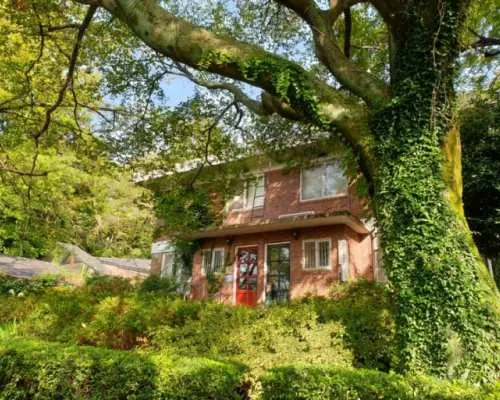
Horanggasimanu Hill Guesthouse gained attention as a filming location for the popular Korean drama "Jeongneoni" and the Netflix hit "Iduna." It’s a special place where visitors can feel the atmosphere portrayed in the dramas.
Blending tranquil ambiance with beautiful scenery, this guesthouse is beloved by visitors wishing to experience the spaces where the characters stayed in the shows.
- Lee Jang-woo House
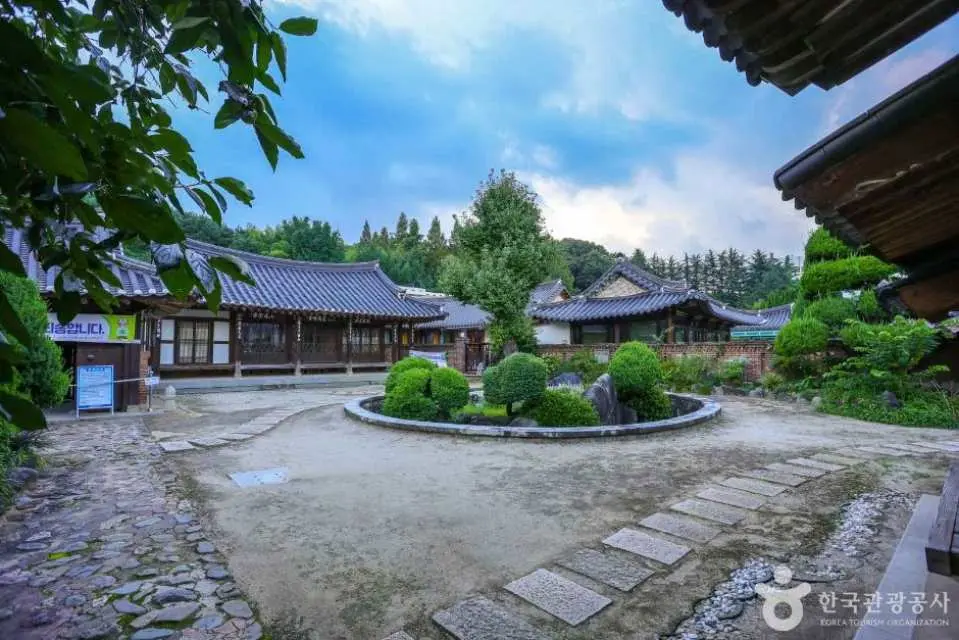
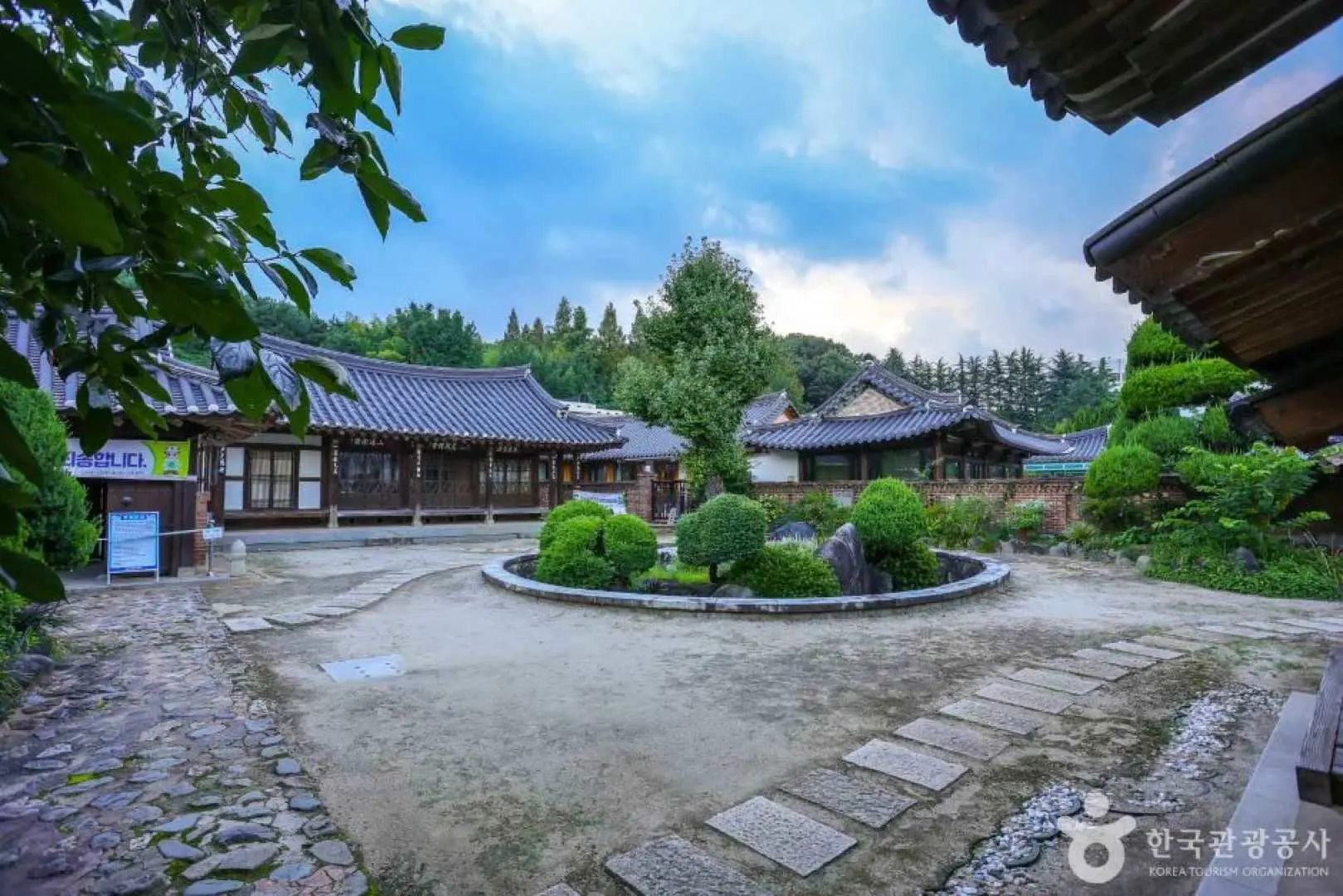
Lee Jang-woo House is a well-preserved example of traditional Korean housing and gardens from the late 19th to early 20th centuries. It offers a vivid glimpse into Korea’s past lifestyle and is a precious cultural heritage site.
With its elegant Hanok architecture and charming atmosphere, it provides a unique experience for those wishing to immerse themselves in traditional Korean beauty.
- Yangnim Church
Yangnim Church is a historic building with over 100 years of history, marking the meaningful place where the seeds of Christianity were first planted in Gwangju.
The church’s history began with the first Christmas service held by missionaries Eugene Bell and Clement Owen in late 1904, who came to Gwangju via Mokpo.
Thanks to their dedication, the church grew and was rebuilt into its current Gothic-style red brick building in 1954. It remains a symbolic landmark of the Yangnim neighborhood today.
- Penguin Village
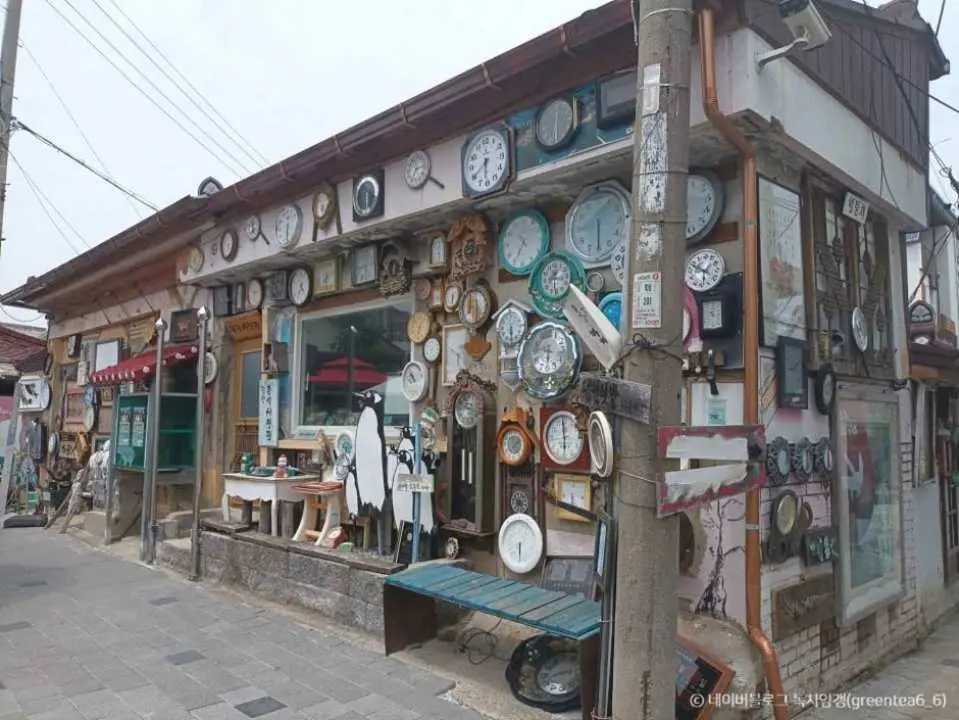
Penguin Village is a Junk Art village where discarded and abandoned household items have been transformed into artistic works.
Once a rundown alley in Yangnim-dong, it has gained renewed attention by dressing the old streets in art.
The narrow alleys are filled with nostalgic objects reborn as junk art, and penguin-themed paintings and sculptures capture visitors’ eyes.
The village’s humble beginnings were warm and community-driven: elderly residents, moving at a slow and steady pace like penguins, began cleaning up abandoned trash and waste, inspiring young people to join and transform the village into an artistic community.
This living art space is a testament to the power of community care and creativity in giving new life to forgotten things.
- Lee Inam Studio
Lee Inam Studio, located in Yangnim-dong, Gwangju, is the studio and café of world-renowned media artist Lee Inam. It is a multi-cultural complex where art and everyday life coexist.
Combining a creative workspace, media art museum, and café, the studio quickly became a new hotspot in Gwangju after its opening.
Inside and outside the building, visitors can freely explore a diverse range of Lee Inam’s works, from his early pieces to his latest media art installations.
Offering desserts and drinks alongside artistic experiences, this unique space leaves a deep impression on art lovers and general visitors alike.
Seoul Departure l Gwangju: The Scent of the Past, the Emotion of the Future

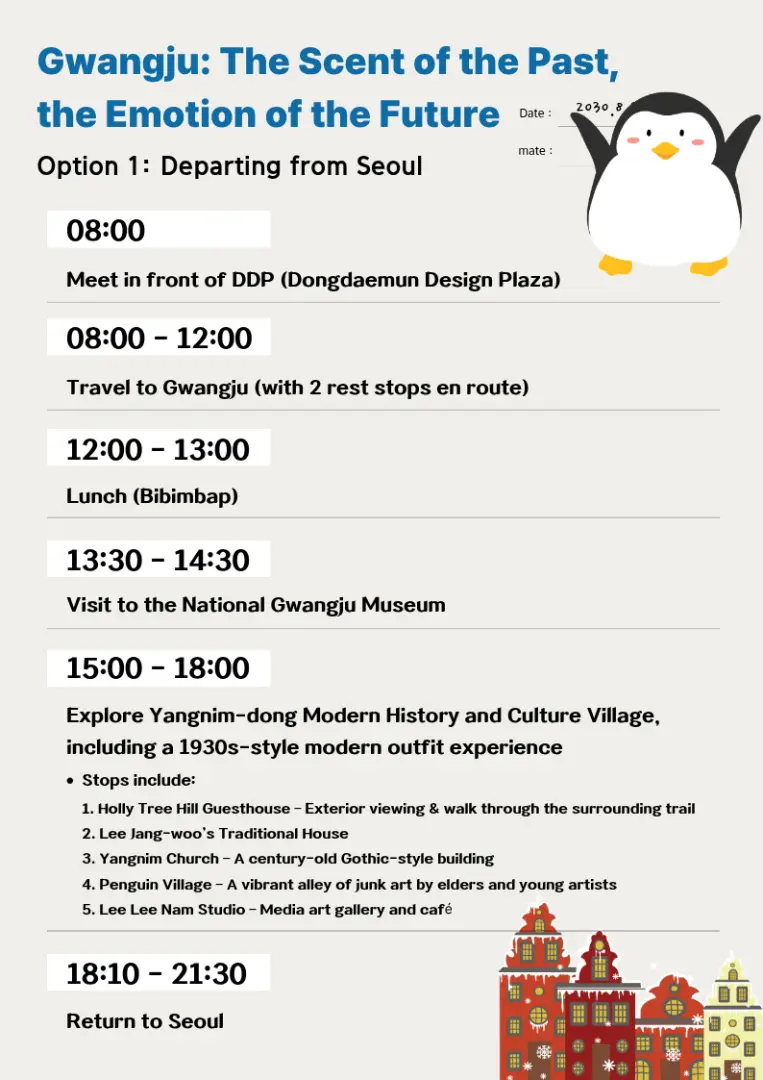
Busan Departure l Gwangju: The Scent of the Past, the Emotion of the Future


National Gwangju Museum


Horanggasimanu Hill Guesthouse


Lee Jang-woo House
Yangnim Church


Penguin Village

Lee Inam Studio


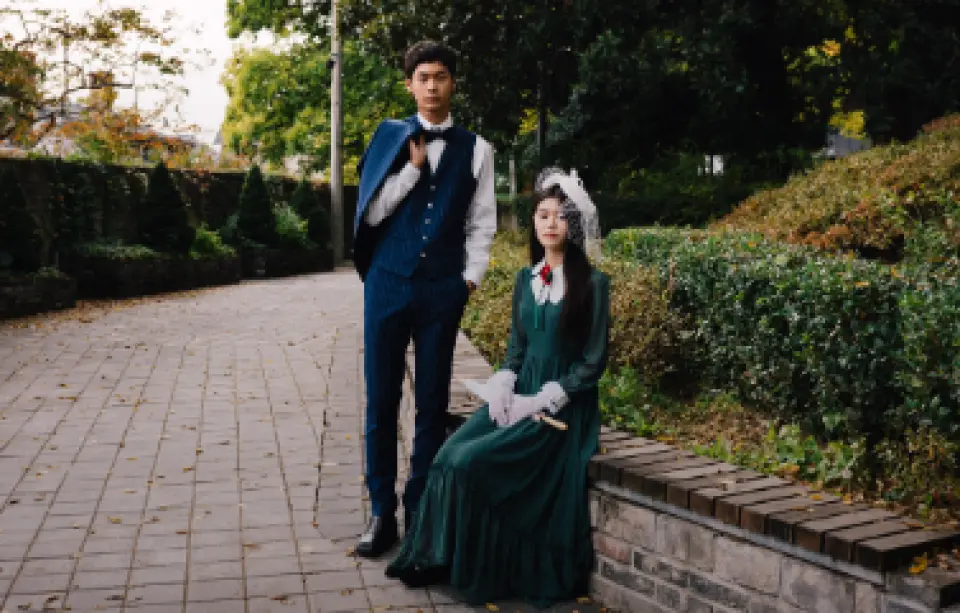
Experience Gyeongseong-style Modern Clothing

Purchase Notice
- Tour Schedule Notice
The scheduled times for this tour are for reference only. The guide reserves the right to change the order and timing of the itinerary due to local weather, traffic conditions, or other circumstances. We kindly ask for your understanding.
- Preparation for the Tour Day
- On the day of departure, please be sure to present your original passport and the KKday electronic voucher to the guide at the meeting point.
- The vehicle type may vary depending on the number of participants.
- If you fail to arrive at the meeting point by the designated time, it will be considered a voluntary cancellation, and no refund will be issued.
- Important Notes for Tour Participation
- Full participation in the entire itinerary and vehicle transportation is mandatory. Leaving the tour midway or joining only part of the schedule is not allowed for safety reasons.
- When booking, please provide a contactable messenger ID (e.g., Line, WeChat, WhatsApp, or KakaoTalk).
* If contact cannot be made on the tour day due to missing contact information, participation will be denied without refund. - The itinerary may be subject to change due to local conditions, and we appreciate your understanding in advance.
- Additional Fees and Other Information
- This tour includes 14 hours of service (guide and vehicle included).
- Overtime usage will incur an additional fee of 40,000 KRW per hour, payable in cash on-site.
- Infant car seats are not provided. If you require a stroller or wheelchair, please request in advance. However, due to limited vehicle space, accommodation may not be possible.
- Please note that luggage (e.g., suitcases) cannot be loaded onto the vehicle, so kindly take this into consideration when booking.
Reminders
A minimum of 4 traveler(s) are required for the tour to depart. If the number of participants does not reach the minimum requirement, the tour will be canceled. An email regarding tour cancellation will be sent 2 day(s) before the departure date
Please arrive at the designated location 5 minute(s) before the scheduled departure time, as the tour will depart on time
📌 Holidays / Closed Days : Gwangju National Museum is closed on January 1st, the day of Lunar New Year and Chuseok, and the first Monday of April and November.
📌 Holidays / Closed Days : Yangrim Church will be closed on all statutory holidays.
FAQ
Gwangju offers a rich tapestry of history and culture, blending its past with contemporary expressions. Key sites include the National Gwangju Museum, which explores the city's modern history, and Lee Jang-woo’s Hanok, a beautifully preserved traditional Korean house. The century-old Gothic-style Yangnim Church reflects early modern influences, while Penguin Village showcases a unique blend of local creativity and community-driven art.
The National Gwangju Museum serves as a vital institution for understanding Gwangju's profound modern history. It houses a diverse collection of artifacts and exhibits that chronicle the region's historical trajectory, including its significant contributions to South Korea's democratic movements. Visitors gain insight into the socio-political landscape and cultural resilience that shaped Gwangju into the city it is today.
Gwangju's modern appeal is vividly displayed in unique cultural spaces like Penguin Village, an imaginative alley filled with junk art created by local elders and young artists, offering a quirky, community-driven art experience. Additionally, the city is home to Lee Lee Nam Studio, where visitors can immerse themselves in cutting-edge media art by the renowned artist Lee Lee Nam, showcasing Gwangju's contemporary artistic dynamism.
The name 'Gwangju' (光州) literally translates to 'Light Province' or 'City of Light' in Korean. This name often symbolizes the city's historical role as a beacon of culture, art, and democratic ideals. It reflects Gwangju's enduring spirit as a center for intellectual thought and artistic expression, which continues to shape its identity as a vibrant, forward-looking city.
For exploring Gwangju's city center and main attractions, visitors have several convenient transportation options. The city operates a subway line that connects key areas. A comprehensive network of city buses also reaches most attractions, often providing direct routes. Taxis are readily available for more direct or private travel, offering flexibility for navigating the city efficiently.
Yes, Gwangju has a subway system, with one operational line (Gwangju Metro Line 1). It is quite useful for navigating the city, particularly for reaching areas close to its stations. For sites like Yangnim Church, you can take the subway to nearby stations such as Culture Complex Station or Namgwangju Station, and then often complete the journey with a short bus ride or walk.
The KTX train journey from Seoul to Gwangju typically takes about 1.5 to 2 hours, depending on the specific service. In Seoul, KTX trains to Gwangju primarily depart from Yongsan Station. In Gwangju, the main KTX arrival and departure station is Gwangju-Songjeong Station, which is well-connected to the city center by local transportation options.
To immerse visitors in Gwangju's past, unique experiences are offered, such as trying on 1930s-style attire while strolling through nostalgic alleys. This allows for a delightful journey back in time, perfect for capturing memorable photos reminiscent of historical drama scenes. Exploring sites like Lee Jang-woo’s Hanok and the classic Gothic-style Yangnim Church further deepens this connection to Gwangju's rich historical and cultural heritage.
Get Help


