


Gwangju
Gwangju is an important city in southwestern Korea and a symbol of Korean democratization and human rights. It is full of media art and creative atmosphere, especially the National Asian Culture Center, which is an old Jeolla Provincial Hall transformed into an exchange space for Asian culture and art. Gwangju also has the Gwangju 5 Flavors, including Xinqi, Hanjeongsik, Mudeungsan barley rice, roast beef patties, duck soup and other delicacies.



Gwangju Top 10 Activities


Top things to do in Gwangju


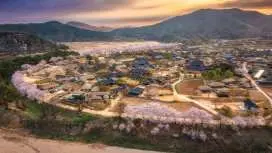
Recommended travel destinations near Gwangju


Best time to visit Gwangju
Data source: Meteostat・Last updated: 2025-09
Weather in Gwangju throughout the year
Spring (March–May): Average 9.7–19.3°C, mild climate with gradually increasing rainfall. March and April are ideal for flower viewing. Common activities: picnics, flower viewing, outdoor excursions. Recommended clothing: light jacket, long-sleeved shirt, comfortable athletic shoes.
Summer (June–August): Average 23.7–27.6°C, hot and humid with abundant rainfall, especially in July. Common activities: escaping the heat, swimming, enjoying summer nights. Recommended clothing: light and breathable clothing, sun hat, sunscreen.
Autumn (September–November): Average 11.1–24.4°C, pleasant and comfortable climate with decreasing rainfall. Common activities: viewing autumn leaves, hiking, outdoor activities. Recommended clothing: light jacket, long-sleeved shirt, comfortable shoes.
Winter (December–February): Average 2.1–4°C, cold and dry with less rainfall. Common activities: indoor activities, hot springs (if available nearby). Recommended clothing: warm coat, hat, scarf, gloves.
Weather in Gwangju
Annual average temperature: approx. 15.3°C / Annual rainfall: approx. 1392 mm / Summer humidity: 70%–80% / Rainiest month: July
Gwangju weather by month
| Month | January | February | March | April | May | June | July | August | September | October | November | December |
|---|---|---|---|---|---|---|---|---|---|---|---|---|
| Temperature | 2.1°C | 4°C | 9.7°C | 15.6°C | 19.3°C | 23.7°C | 26.7°C | 27.6°C | 24.4°C | 16.8°C | 11.1°C | 3.2°C |
| Rainfall (mm) | 19.3 | 43 | 73.3 | 65.3 | 97.3 | 240.7 | 368 | 193 | 141 | 49.3 | 62 | 40.3 |
7-day weather forecast for Gwangju
| Date | 11/21Saturday | 11/22Sunday | 11/23Monday | 11/24Tuesday | 11/25Wednesday | 11/26Thursday | 11/27Friday |
|---|---|---|---|---|---|---|---|
| Weather |  Sunny | Sunny |  Partly Cloudy |  Patchy rain nearby |  Cloudy | Sunny | Sunny |
| High | 5.8°C | 7.6°C | 12.7°C | 9.8°C | 10.2°C | 15.8°C | 17.4°C |
| Low | -1.3°C | -1.7°C | -0.8°C | 3.5°C | 3.1°C | 4°C | 7.3°C |


