



Kyoto Urushi Lacquer Factory Visit and Chopsticks Making Experience
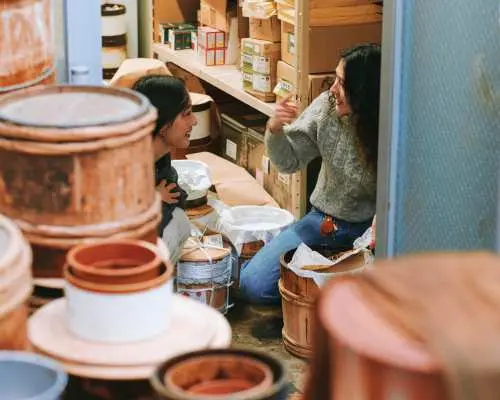
- Enter the private area of Tsutsumi Asakichi Urushi factory and see how lacquer is refined
- Tour the store and learn about innovative ways of using Japanese urushi lacquer initiated by the factory owner
- See urushi lacquer on modern-day goods such as surfboards, skateboards and bicycles
- Learn about the importance of preserving urushi lacquer culture
- Apply lacquer to chopsticks during a private workshop and take them with you as a present
Product Info
Important Info
Reminders
Please refrain from coming with large luggage as there is no space to store it
The factory has narrow lanes and you will use lacquer for the workshop. It is recommended to come with clothes that you don't mind getting dirty (you will be given gloves for the activity).
Please inform us in advance if you have food restrictions or food allergies. The lunch consists of monthly-changing local ingredients: white rice, main dish, two bowls with side dishes and a clear broth soup.
This tour does not include transportation and there is no car parking. Please arrive to the factory by public transport.
We accept bookings for this tour regardless of the number of applicants. However, a minimum of 2 participants is required for the tour to operate. We sincerely regret to inform you that if the minimum number of 2 participants is not met, we may have to cancel the tour. In such cases, we will notify you by the day before your scheduled participation date, and we will provide a full refund of any payments you have made.
How to Redeem Your Voucher
How to Use Your Voucher
- Please present the e-voucher on-site
Experience Location
Location Name: Tsutsumi Asakichi Lacquerware Shop
Address: 540 Inari-cho, Matsubara-agaru, Manomachi-dori, Shimogyo-ku, KyotoCancellation Policy
- Cancellations 3 day(s) (inclusive) before the selected date are allowed. Unused orders can be canceled for free
- For cancellations made 2 to 2 days prior to selected date, a cancellation fee of 50% will apply
- For cancellations made 1 to 1 days prior to selected date, a cancellation fee of 70% will apply
- Cancellation is not allowed between 0–0 days from the selected date. Orders cannot be canceled or modified, and refunds will not be granted.
- Due to time zone differences, the confirmed cancellation date is based on the supplier’s local time. Please allow 2–5 business days to process your cancellation request, after which the cancellation fee will be charged according to the product’s cancellation policy. Once the cancellation is confirmed, you will receive your refund within 14 working days.
FAQ
The Tsutsumi Asakichi Urushi factory specializes in refining over 70% of Japan's domestic urushi lacquer. This high-quality lacquer is the natural sap of the Japanese lacquer tree, primarily sourced from within Japan. The factory ensures the consistent supply of this traditional material to artisans and craftsmen across the country.
High-quality urushi lacquer is a natural resin derived from the sap of the urushi tree. Its unique composition gives it exceptional durability, water resistance, and a beautiful, deep luster when cured. It's renowned for forming a hard, protective coating that is also resistant to acids, alkalis, and alcohol, making it ideal for lasting craftsmanship.
At the Tsutsumi Asakichi Urushi factory, the raw urushi sap undergoes a meticulous refining process. This involves careful filtration and precise moisture removal to achieve the desired consistency and purity. This refinement ensures that the lacquer meets high standards for both traditional artisans and modern applications, ready for various uses.
The value of traditional Japanese urushi lacquer stems from its unique natural properties, the complex and time-consuming process of sap collection and refinement, and the skilled artistry required for its application. Its exceptional durability and aesthetic appeal contribute to its lasting cultural and artistic significance, making it a highly esteemed material.
The Tsutsumi Asakichi Urushi factory actively explores innovative uses for urushi lacquer in contemporary products. Visitors can see examples of urushi applied to modern-day goods like surfboards, skateboards, and bicycles. This initiative aims to reestablish urushi's presence in everyday life, showcasing its versatility and safety.
During the private chopsticks making workshop at Tsutsumi Asakichi Urushi factory, participants learn to apply urushi lacquer. This hands-on activity involves carefully applying the refined lacquer to a pair of chopsticks. At the end of the experience, participants can take their self-lacquered chopsticks home as a unique souvenir.
Preserving urushi lacquer culture is vital for the Tsutsumi Asakichi Urushi factory to maintain the legacy of Japanese craftsmanship. The factory's owner is dedicated to ensuring high-quality lacquer is safely used for both traditional and modern goods, combating the decline of its production and promoting its enduring cultural significance and presence in daily life.
While synthetic lacquers or varnishes exist as alternatives, they differ significantly from genuine urushi lacquer. Genuine urushi is a natural product with unique properties, offering superior durability, a distinct deep luster, and traditional aesthetic qualities that synthetic options cannot fully replicate. Substitutes may lack the same resistance and traditional curing process.
Get Help


