


【Suizenji Branch】Hakama Rental + Suizenji Jojuen Garden Admission Ticket + Free Commemorative Photo Service - Choose from 3 Sleeve Lengths
- Experience the world of anime, such as 'Chihayafuru' or 'Haikara-san: Here Comes Miss Modern'.
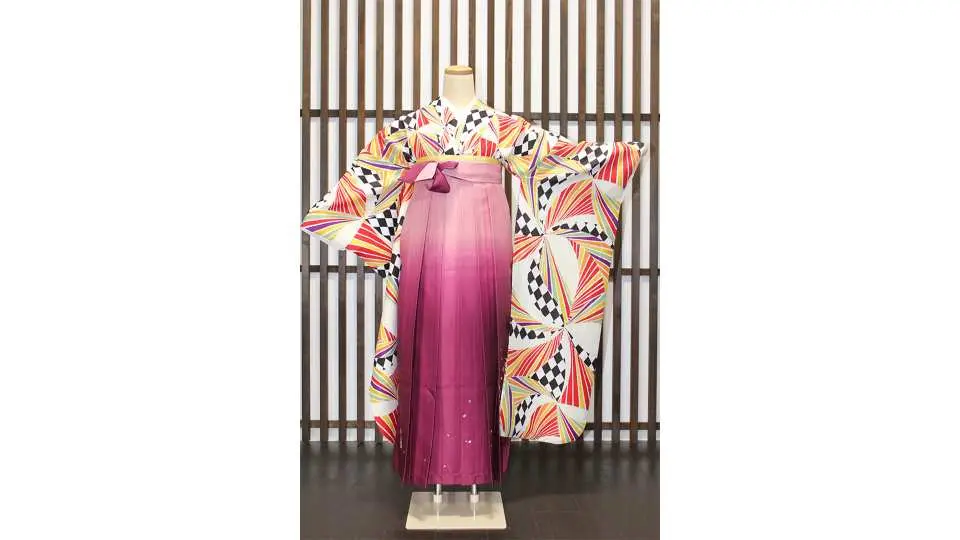
- Choose from 3 different sleeve lengths. Pick your favorite from a wide variety of patterns and combine it with a hakama to enjoy your own unique look.
- Certified kimono dressers will assist you quickly and carefully.
- Receive a complimentary Japanese-style drawstring bag and tabi socks with one-point embroidery!
- Conveniently located right in front of the Suizenji Jojuen Garden approach in Kumamoto. Perfect for sightseeing.
Cultural Experiences
| Transportation method | Get there on your own |
| Location | Outdoor |
| Experience type | Costume rental |
| Outfit type | Kimono |
| Additional service & facility | Makeup & hairstyle, Photography service |
| Cultural experience type | Traditional culture experience |
Product Info
What You Can Expect
1 Day
- Certified kimono dressers will assist you quickly and carefully.
- Commemorative photo in our in-store studio. We will print it out and give it to you before you leave!
- A final check before you head out. We are dedicated to ensuring you look your best.
- There are many photo spots inside Suizenji Jojuen Garden. This plan includes an admission ticket. Visit the Izumi Shrine located within the garden and enjoy a leisurely stroll.
- 【Hair Accessory Add-on Option】There is no limit to the number of accessories you can wear.
- 【Japanese Umbrella Add-on Option】Rent a paper umbrella. *Please note that rentals are not available on rainy days.




Important Info
Includes/Excludes
- Dressing
- Japanese pattern drawstring bag
- Suizenji Jojuen Garden admission ticket
- Commemorative photo shoot in studio
- Embroidered tabi socks
- Hakama set
- Hair Accessories
- Japanese Umbrella
Eligible Users
Reminders
About clothing and belongings: We will store your changed clothes, shoes, bags, etc. for free. Please bring your own valuables.
How to Redeem Your Voucher
How to Use Your Voucher
- Please present the e-voucher on-site
Experience Location
Location Name: Japanese Collection Mito [Suizenji store]
Address: Japan, 〒862-0956, Kumamoto Prefecture, Kumamoto City, Chuo Ward, Suizenji Park 4-3Cancellation Policy
- Cancellations 1 day(s) (inclusive) before the selected date are allowed. Unused orders can be canceled for free
- Cancellation is not allowed between 0–0 days from the selected date. Orders cannot be canceled or modified, and refunds will not be granted.
- Due to time zone differences, the confirmed cancellation date is based on the supplier’s local time. Please allow 2–5 business days to process your cancellation request, after which the cancellation fee will be charged according to the product’s cancellation policy. Once your refund request is confirmed, KKday will initiate the refund to your original payment method within 15 days. The actual refund timing depends on your card-issuing bank’s policy.
FAQ
1. What are the main highlights and historical significance of Suizenji Jojuen Garden?
Suizenji Jojuen Garden is a meticulously crafted Edo-period stroll garden, famous for its miniature representations of the Tokaido road, including a small Mount Fuji and Lake Biwa. Its historical significance lies in its creation as a private tea villa by the Hosokawa clan, the ruling daimyo of the Higo Province, showcasing their wealth and aesthetic sensibilities. Visitors can enjoy traditional tea ceremonies at the Kokin-Denju-no-Ma tea house, originally from Kyoto Imperial Palace, and appreciate the serene landscape.
2. How much time is typically needed to explore Suizenji Jojuen Garden thoroughly?
To thoroughly explore Suizenji Jojuen Garden and appreciate its design, including a leisurely stroll around the pond, taking photos, and perhaps enjoying a cup of tea at the teahouse, most visitors typically spend between 1 to 1.5 hours. This allows ample time to soak in the peaceful atmosphere and admire the intricate landscape details.
3. What are the best transportation options to reach Suizenji Jojuen Garden?
Suizenji Jojuen Garden is conveniently accessible from Kumamoto City. The most direct public transportation option is to take the Kumamoto City Tram (Line A or B) to Suizenji Koen Station. From there, the garden entrance is just a short 1-minute walk. Alternatively, local buses also serve the area, with stops very close to the garden.
4. What is the historical background of Suizenji Jojuen Garden?
Suizenji Jojuen Garden was constructed in the 17th century by Hosokawa Tadatoshi, the first lord of the Higo Kumamoto Domain, as a tea villa and retreat for the Hosokawa family. It was later expanded by his successor, Tsunatoshi, into the beautiful garden we see today. The garden's design reflects the classical Japanese landscape garden style, imitating famous landmarks along the Tokaido road.
5. What is the process for renting a hakama and what is included in the rental service?
The hakama rental process typically involves selecting your preferred hakama from a wide variety of patterns and colors, including options with three different sleeve lengths, followed by professional dressing by a qualified kimono dresser. The rental service usually includes the hakama, specific accessories like a Japanese patterned drawstring bag, and tabi socks with embroidered accents. Additionally, services often include admission to Suizenji Jojuen Garden and a free commemorative photo. You can easily arrange your hakama rental and Suizenji Jojuen admission through platforms like KKday, ensuring a smooth booking experience and professional dressing service upon arrival.
6. Is hakama rental suitable for all visitors, and what styles are available?
Hakama rental is generally most popular among women for various occasions, including graduation ceremonies, shrine visits, or cultural experiences like visiting Suizenji Jojuen Garden. The available styles often feature a wide selection of patterns and colors, allowing you to choose one that reflects your personal taste. Some rental services offer hakama with different sleeve lengths to cater to various preferences and styles, suitable for creating looks inspired by traditional Japanese culture or even popular anime.
7. What is the difference between a traditional kimono and a hakama for rental, and who typically wears each?
A traditional kimono is a full-length, long-sleeved robe worn by both men and women, suitable for various formal and casual occasions. A hakama, on the other hand, is a pleated, skirt-like garment or loose trousers typically worn over a kimono. Historically, hakama were worn by samurai and men, but today, women also wear them, especially for graduation ceremonies or as part of a distinctive cultural outfit. When renting, a hakama provides a unique and stylish alternative or addition to a standard kimono ensemble.
8. What are the key distinctions between Montsuki and hakama, especially in terms of usage?
Montsuki refers to a specific type of formal kimono adorned with crests (mon), traditionally worn by men for very formal occasions such as weddings, funerals, or official ceremonies. It is usually black and made of silk. Hakama, which are pleated trousers or a skirt-like garment, are often worn with a Montsuki kimono to complete the formal ensemble for men. While hakama can be worn more broadly over various kimonos and by women for certain events, Montsuki specifically designates the formal crested kimono worn primarily by men.
Get Help


