



Miyajima Private Tour | EBISUYA's Rickshaw Experience | 30/ 60 /120 min
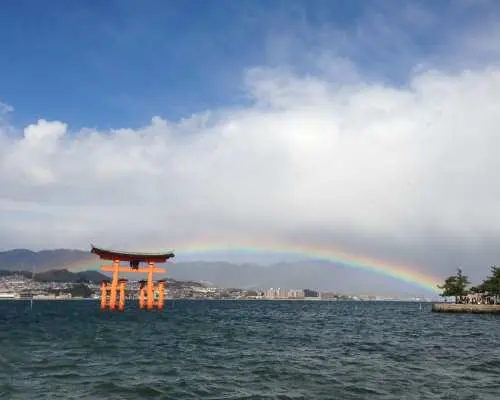
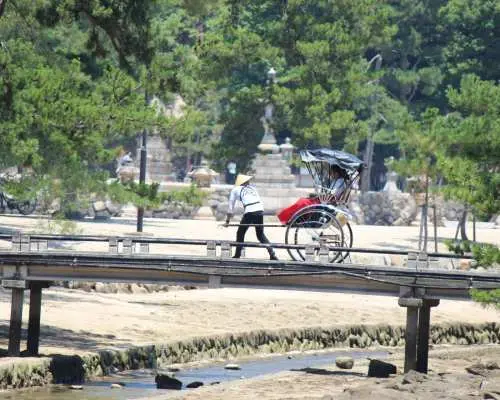
Discover the enchanting allure of Miyajima like never before with EBISUYA's remarkable rickshaws! Embark on a journey through the hidden gems nestled within the winding alleys, where buses and taxis don't tread. The local drivers, adorned in traditional costumes, embody the essence of private guides, ensuring an unforgettable exploration of Miyajima's most captivating attractions. Prepare to be enthralled as you traverse the must-see spots, immersing yourself in the rich tapestry of this city.
- Embark on the timeless classic route tour with skilled rickshaw drivers, creating a unique experience for your day trips!
- The rickshaws are thoughtfully equipped with a car roof, allowing you to enjoy our tours even on rainy and snowy days
- With the convenience of a movable ladder, hopping on and off the rickshaw is a breeze
Package Options
Product Info
The content of this product is provided by machine translation and may not reflect the actual information, please take this into consideration before booking.
— What You Can Expect —
- 30-minute tour
[Route: Pier - Machiya St. - Otorii - Momijidani - Soribashi Bridge - Itsukushima Shrine]
Embark on a captivating rickshaw adventure around Miyajima, with Momiji Park, the birthplace of Momijiman hair, at its center. Explore the enchanting beauty of Miyajima, where the pristine forest environment is rich in sweet and pure water. Let the rickshaw guide you through this natural wonderland, where every moment promises to awaken your senses to the remarkable sights and sounds of Miyajima's abundant beauty. - 60-minute tour
[Route: Pier - Machiya St. - Otorii - Takinokoji - Daishoin Temple (stop for Worship) - Daiganji Temple - Momijidani - Itsukushima Shrine]
Choose this most popular tour leading to the revered 1,200-year-old Daishoin Temple for a profound worship experience. Prepare to be captivated by the harmonious blend of natural beauty and spiritual serenity as you explore this remarkable destination. From Daishoin Temple, behold the awe-inspiring panoramic view that offers the very best scenic vistas of Miyajima.
- 120 minutes tour
[Route: Pier - Otorii - Itsukushima Shrine (stop for Worship) - Daishoin Temple (stop for Worship) - Kiyomori Shrine - Miyajima Aquarium - Momijidani - Senjokaku (Worship) - Pier]
If you find that one hour is too short, we highly recommend the 2-hour rickshaw trip, allowing you to explore and experience even more captivating places. On top of visiting the construction of Itsukushima Shrine to learning many anecdotes about the gods, the rickshaw driver will guide you to the Senjokaku Pavilion built by Toyotomi Hideyoshi, otherwise known as "The Pavillion of 1000 Tatami mats."
Follow our handsome and professional driver as we visit popular tourist attractions in Miyajima!


The staff provided detailed explanations of the history of each attraction along the way, allowing visitors to learn about Miyajima's history and culture.


A Trip to Miyajima's Furusato(30 minutes)


Miyajima Kowa Trip (60 minutes)


A Mysterious Journey to Miyajima (120 minutes)


Purchase Notice
- One rickshaw can accommodate two adults
- There is no charge for children 0-5 years old. However, for safety reasons, a child must be accompanied by an adult.
For example, if there are 2 adults + 2 children, the price will still be for 2 (1 rickshaw in total).
*The exception: 1 adult + 1 child, the price will be for 2 (1 rickshaw in total) - Expecting mothers in their first 16 weeks of pregnancy are not permitted to ride a rickshaw. If passed after four months (17+ weeks), you can take a rickshaw ride
Reminders
Travelers with the following conditions or other health issues that could be worsened by excessive stimulation should not participate in this activity: Pregnant women
Please arrive at the designated location 5 minute(s) before the scheduled departure time, as the tour will depart on time
How to Redeem Your Voucher
How to Use Your Voucher
- Please present the e-voucher on-site
Meeting Point
Location Name: Miyajima's pier (in front of the ferry terminal)
Address: 〒739-0505 1162-18 Miyajima-cho, Hatsukaichi City, Hiroshima PrefectureExperience Location
Location Name: Miyajima's pier (in front of the ferry terminal)
Address: 〒739-0505 1162-18 Miyajima-cho, Hatsukaichi City, Hiroshima PrefectureFAQ
There are several main ways to travel from Hiroshima Station to Miyajima. You can take the JR Sanyo Line to 'Miyajimaguchi Station' and then transfer to a ferry. Alternatively, you can take the Hiroshima Electric Railway (streetcar) from 'Hiroshima Station' to 'Hiroden Miyajimaguchi Station', also requiring a ferry transfer. Another option is the 'World Heritage Route' ferry departing from near Hiroshima Peace Memorial Park, which takes you directly to Miyajima, avoiding multiple transfers.
The ferry ride from Miyajimaguchi to Miyajima, whether on the JR West Miyajima Ferry or the Miyajima Matsudai Ferry, takes approximately 10 minutes one way. Both ferry companies operate frequent services, making it convenient for travelers to quickly go between Miyajima and the mainland, and it's the primary mode of transport to the island.
Ferry tickets for Miyajima have separate fares for adults and children, and you can pay with cash or transportation IC cards (like Suica). The JR West Miyajima Ferry specially circles in front of the Itsukushima Shrine's "floating" torii gate, offering passengers better views and photo opportunities, while the Miyajima Matsudai Ferry primarily sails in a straight line. Both ferries offer frequent services from morning to night.
In the Hiroshima area, you can use nationwide interchangeable transportation IC cards such as Suica, ICOCA, and PASMO when taking the Hiroshima Electric Railway (streetcar), JR trains to Miyajimaguchi, and the Miyajima ferry. Additionally, Hiroshima has its own local card, PASPY, which is widely accepted on public transportation in the region.
Miyajima's rickshaw experiences are thoughtfully designed. The rickshaws are equipped with sturdy canopies, allowing them to depart even in rain or snow, ensuring travelers can enjoy the journey regardless of the weather. Furthermore, rickshaws are equipped with mobile stair ramps, making it easy and safe for travelers with mobility issues or the elderly to get on and off, providing an accessible tour of Miyajima.
The Miyajima rickshaw experience takes you on a tour of classic routes, navigating through narrow alleys that buses or taxis can't reach, and exploring hidden spots known only to locals. The rickshaw puller, dressed in traditional attire, is not just a driver but also your private guide. They will enthusiastically share information about local specialties, souvenirs, and cultural and historical stories not found in guidebooks, offering a deep and unique guided tour.
In addition to the World Heritage site Itsukushima Shrine, Miyajima has many other worthwhile attractions. You can visit the historic and spiritually rich Daisho-in Temple to experience its solemn Buddhist atmosphere. If you visit in autumn, Momijidani Park is an excellent spot for viewing autumn leaves. Moreover, taking the ropeway up Mount Misen offers panoramic views of the Seto Inland Sea and Miyajima from the summit.
Momijidani Park in Miyajima is famous for its stunning autumn foliage, with the best viewing period typically falling between mid to late November each year. During this time, the maple trees in the park turn vibrant shades of red, orange, and yellow, creating a picturesque landscape. It's an unmissable natural beauty for visitors to Miyajima in the autumn.
Get Help


