

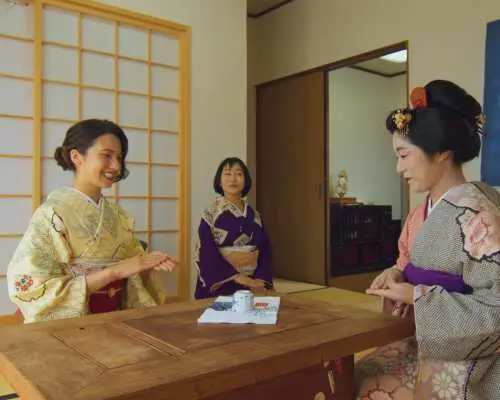


Local Food and Japanese Dance in Hakata, Fukuoka
- Explore Hakata with an expert guide and discover its local culture
- Visit Kushida Shrine and browse retro shopping streets
- Enjoy a shamisen dance performance, Japanese lunch, tea, and sweets
Package Options


Sightseeing Tours
| Tour types | Guided tour |
| Meal arrangement | Lunch included, Vegetarian |
| Sightseeing type | Temples & shrines, Food tour・Izakaya Hopping |
| Transport | Walking |
Product Info
Tour and area in Fukuoka that is famous for its delicious food and fun festivals, Hakata. While this part of town is known for its unique style of ramen, it is also a perfect place to experience Fukuoka’s rich culture. Visit Kushida Shrine, a local Shinto shrine where Hakata Gion Festival is famously celebrated every year. Shop for souvenirs, sweets and snacks in the retro style shopping streets while learning about the area from your expert guide. Try some more traditional culture with a beautiful shamisen and dance performance before finishing the day with a traditional lunch. Sample the local specialties and enjoy some green tea and sweets to wrap up a day of Japanese culture.
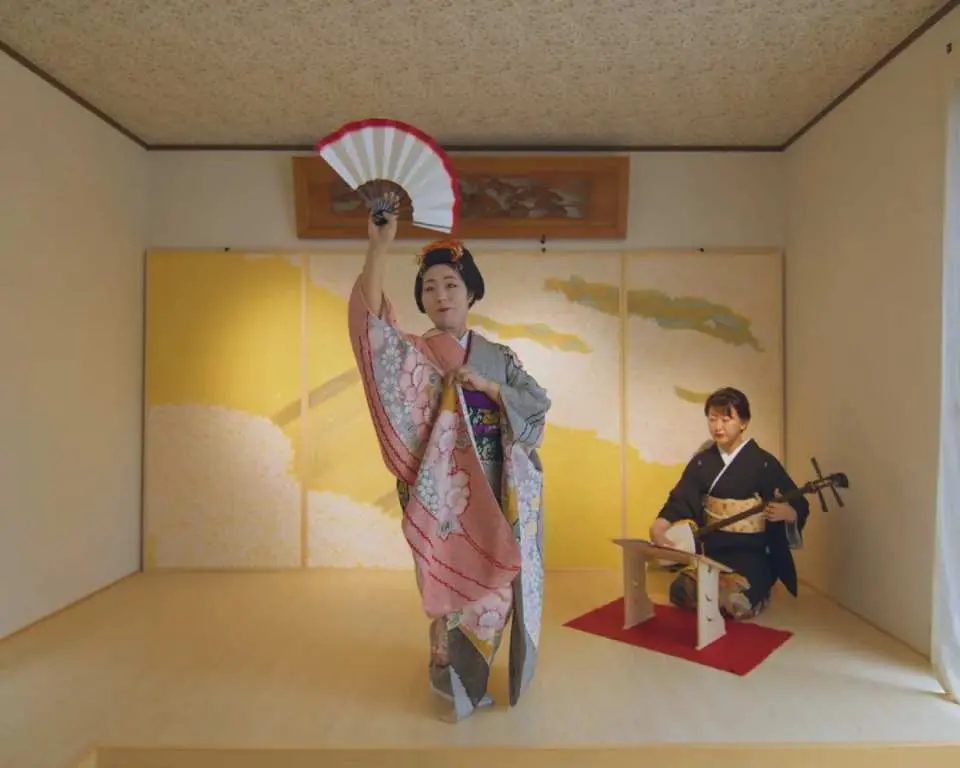
Enjoy a traditional Japanese dance show
Purchase Notice
- This activity is able to accommodate the following dietary requirements: Vegan diet and Vegetarian diet. Please inform us in advance of your dietary restrictions.
- For guests booking the kimono option: Please note that kimono is subject to availability. Please inquire with the host upon booking.
- The meeting point specified on the page is subject to change. Your host will share specific meeting point information upon booking confirmation.
Cancellation Policy
- Cancellations 4 day(s) (inclusive) before the selected date are allowed. Unused orders can be canceled for free
- Cancellation is not allowed between 0–3 days from the selected date. Orders cannot be canceled or modified, and refunds will not be granted.
- Due to time zone differences, the confirmed cancellation date is based on the supplier’s local time. Please allow 2–5 business days to process your cancellation request, after which the cancellation fee will be charged according to the product’s cancellation policy. Once your refund request is confirmed, KKday will initiate the refund to your original payment method within 15 days. The actual refund timing depends on your card-issuing bank’s policy.
FAQ
1. What is the significance of the Hakata Dontaku festival in Fukuoka culture?
The Hakata Dontaku festival is one of Japan's largest and most vibrant traditional festivals, held annually during Golden Week in May. Its significance lies in celebrating prosperity and good fortune for the city, showcasing Hakata's rich cultural heritage. Participants parade through the streets dressed in traditional attire, performing lively dances and music, with elaborate floats called Hana Jidousha adding to the spectacle. It's a beloved event that brings the community together and highlights Hakata's unique identity.
2. What style of Japanese dance can be experienced during the Hakata tour, and what are its characteristics?
During the Hakata tour, visitors can experience a traditional Japanese dance performance accompanied by the shamisen, a three-stringed musical instrument. This dance style is characterized by its graceful movements, expressive storytelling through gestures, and a deep connection to local performing arts traditions. It offers an immersive glimpse into the authentic artistry and cultural heritage unique to the Hakata area, emphasizing elegance and narrative through movement.
3. What are the recommended transportation options to reach the Hakata area for the Japanese dance and food experience?
The Hakata area in Fukuoka City is well-served by public transportation. The most convenient options include using the subway or local buses. Hakata Station is a major transportation hub, easily accessible from Fukuoka Airport via the Kuko Line subway (approximately 5-7 minutes). From Hakata Station, many areas within Hakata are walkable, or you can take local buses or other subway lines to specific destinations for the experience. Taxis are also readily available throughout the city.
4. What payment methods are accepted on Fukuoka's public transportation, including buses and subways?
On Fukuoka's public transportation, including buses and subways, cash is accepted, though for buses, exact change is often required or available via a change machine on board. For subways, ticket vending machines accept cash. However, for utmost convenience, IC cards are widely accepted. These include local Fukuoka IC cards like Nimoca, Sugoca, and Hayakaken, as well as major nationwide IC cards such as Suica, Pasmo, and Icoca. Using an IC card eliminates the need for exact change and speeds up boarding.
5. Can IC cards like Suica be used for payment on Fukuoka's public buses and subways?
Yes, major nationwide IC cards, including Suica, are fully compatible and can be used for payment on Fukuoka's public buses and subways. Travelers can simply tap their Suica card on the readers at subway gates or when boarding and alighting buses. This compatibility extends to other popular IC cards like Pasmo, Icoca, PiTaPa, Toica, Manaca, Kitaca, and Sugoca, providing a seamless and convenient way to navigate Fukuoka's public transit system without needing cash for each ride.
6. What cultural experiences can visitors expect at Kushida Shrine during the Hakata tour?
At Kushida Shrine, a revered Shinto shrine in Hakata, visitors can immerse themselves in local cultural traditions. You can expect to see traditional Japanese shrine architecture, observe local worshippers performing rituals, and purify your hands and mouth at the temizuya. The shrine is famously home to the ornate Yamakasa festival floats, which are displayed year-round. These massive floats are central to the Hakata Gion Yamakasa Festival, a UNESCO Intangible Cultural Heritage, offering a unique glimpse into one of Japan's most celebrated events and the spiritual heart of Hakata.
7. What kind of authentic Japanese lunch and tea with sweets are typically offered on the Hakata food tour?
The Hakata food tour typically offers an authentic Japanese lunch featuring local specialties that showcase Fukuoka's culinary heritage. This might include various regional dishes, fresh seafood, and seasonal ingredients prepared in traditional styles, reflecting the area's reputation as a food capital. The experience is complemented by a traditional Japanese tea, such as matcha or sencha, served with wagashi (traditional Japanese sweets). These sweets are known for their delicate flavors, exquisite craftsmanship, and seasonal designs, providing a delightful and culturally rich culinary journey.
8. What insights can an expert guide provide about Hakata's history and culture during the tour?
An expert guide can significantly enhance the Hakata tour by providing deep insights into the area's rich history and vibrant culture. They can share fascinating historical anecdotes about ancient Hakata, explain the architectural and spiritual significance of landmarks like Kushida Shrine, and detail the unique customs and traditions that define Hakata. Furthermore, a guide can offer context for the local food and dance experiences, pointing out nuances and cultural meanings that might otherwise be overlooked, ensuring a comprehensive and enriching understanding of the destination.


