
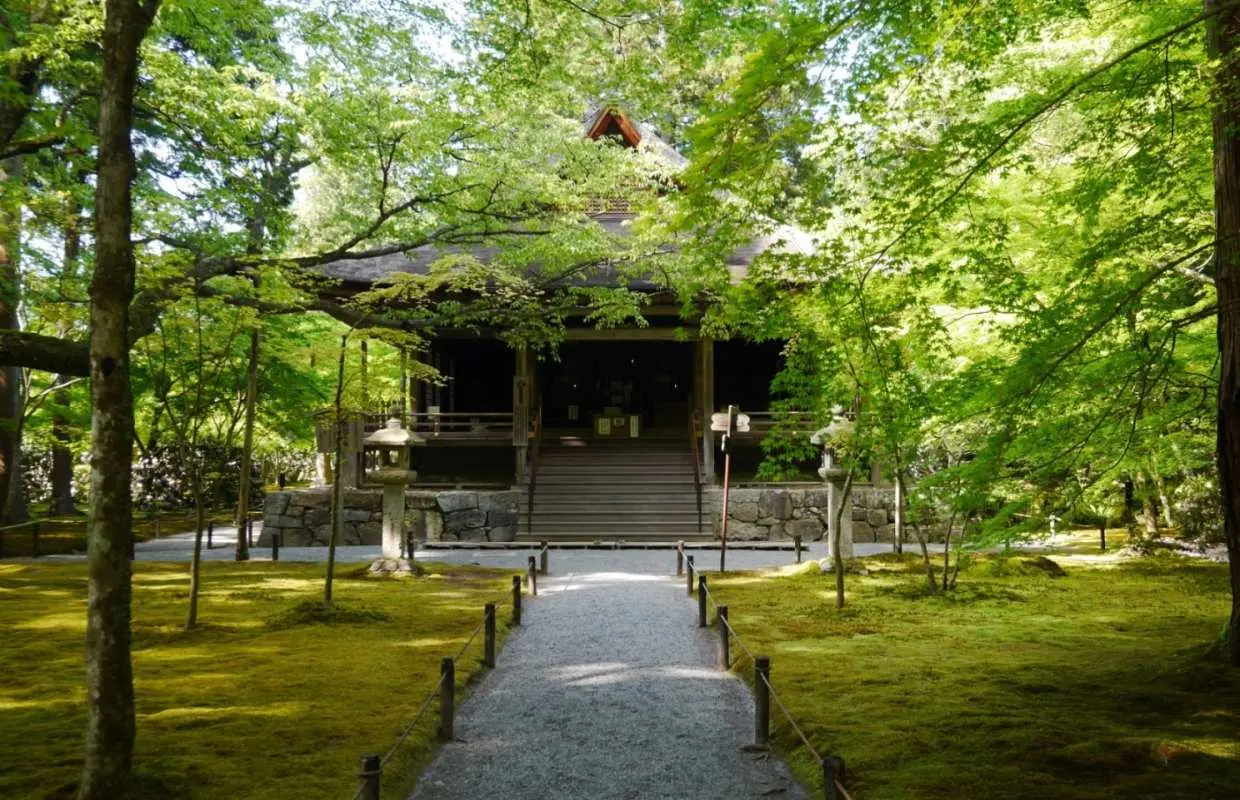


Japan Kyoto Day Tour: Enryakuji, Sanzen-in Temple, Ohara
- Visit the World Heritage site Mt. Hiei Enryaku-ji Temple and explore the Konpon Chudo Hall, the head temple of the Tendai sect
- Enjoy an Ohara Serio Sanzen-kusa bento box for lunch, followed by free time to explore
- Travel comfortably by large bus and avoid the hassle of transfers
- Visit the famous Sanzen-in Temple in Kyoto and appreciate the art of Japanese gardens
Package options


Sightseeing Tours
| Tour Type | Shared tour |
| Transportation method | Transfer from meeting point |
| Departure Time | Standard Departure (8-9 am) |
| Minimum participant requirement | 1 traveler |
| Tour types | None |
| Meal arrangement | Lunch included |
| Family-friendly | Free for children under 6 (no seat) |
| Seasonal | Autumn Maple |
| Sightseeing type | Natural sights, Temples & shrines, Historic site tour, Bus tour, Hiking |
| Transport | Bus tour |
Product Info
Purchase Notice
・Free admission for children aged under 6, must not occupy a seat; please note that the bus is not equipped with car seats, parents are required to hold their children in their arms
・Please note that we are unable to accommodate special dietary requests (e.g. vegetarian, low-carb meal)
・The bus seat number will be provided on the day of the tour, travelers under the same booking may not sit together if consecutive seats are not available, prior notification will be provided under such circumstance, if not, consecutive seats have been arranged
【Travel conditions】
- Place of departure and destination:Kyoto/Kyoto
- Duration of trip:Day tour
- Transportation:Shared bus
- Bus company:京阪バス株式会社
- Meals:Morning 0 Lunch 1 Dinner 0
- The name of hotel if any:NA
- Tour manager:1
- Tour guide:0
【Tour operator】
Name:京阪バス株式会社
Address:京都市南区東九条南石田町5番地
Registration number:京都府知事 登録旅行業第2-192号
Reminders
Please arrive at the designated location 10 minute(s) before the scheduled departure time, as the tour will depart on time
Not showing up at the designated meeting point without notification will be deemed cancellation, refunds will not be granted
Please arrive at the designated meeting point promptly as the bus will depart on time, requests for participation or refunds will not be granted to late arrivals
The itinerary is subject to change due to weather, traffic conditions, and other unforeseen circumstances, please consider before booking
Travelers are allowed to bring large and medium-sized luggage onboard
The tour leader on the bus is Japanese and provides commentary in Japanese only. Meeting times and locations for each attraction will be indicated on signs; please be sure to confirm these before getting off the bus.
FAQs
1. What is the historical and cultural significance of Enryakuji Temple on Mount Hiei?
Enryakuji Temple, located on Mount Hiei, holds immense historical and cultural significance as the head temple of the Tendai sect of Buddhism. Founded in 788 by Saicho, it played a crucial role in the development of Japanese Buddhism during the Heian period. Many prominent Buddhist leaders studied here, making it a spiritual birthplace for various Japanese Buddhist schools and a UNESCO World Heritage site.
2. What unique visitor experiences can be found at Enryakuji Temple on Mount Hiei?
Visitors to Enryakuji Temple on Mount Hiei can explore its vast complex spread across three main areas: Todo, Saito, and Yokawa. Each area features historic temple buildings, serene halls, and pagodas amidst lush forests. You can experience a profound spiritual atmosphere, walk along sacred paths, and enjoy panoramic views of Lake Biwa and the surrounding mountains, offering a tranquil escape.
3. What are the main attractions and distinctive features of Sanzen-in Temple in Ohara?
Sanzen-in Temple in Ohara is renowned for its beautiful moss gardens, particularly Yūseien and Shūhekien, which are considered masterpieces of Japanese landscaping. Its Ojo Gokuraku-in Hall houses a statue of Amida Buddha and two attendant bodhisattvas. The temple's tranquil setting, surrounded by cedar trees, offers a peaceful retreat and a glimpse into traditional Japanese aesthetics and spiritual practices.
4. What is the most convenient way to travel to the Ohara area from central Kyoto?
The most convenient way to reach the Ohara area from central Kyoto is by public bus. You can take the Kyoto Bus (routes such as 17 or 18) directly from Kyoto Station or Shijo Kawaramachi. The journey typically takes about 60 to 75 minutes, offering scenic views as you travel away from the city center into the picturesque countryside.
5. When is the optimal period to witness autumn foliage at Sanzen-in Temple and Ohara?
The optimal period to witness autumn foliage at Sanzen-in Temple and throughout the Ohara area is typically from late October to late November. During this time, the maple and cedar trees transform into vibrant shades of red, orange, and gold, creating a breathtaking landscape that enhances the beauty of the temples and their gardens.
6. What are the combined appeals and highlights of visiting Enryakuji, Sanzen-in, and Ohara as a day trip from Kyoto?
Visiting Enryakuji, Sanzen-in, and Ohara as a day trip from Kyoto offers a perfect blend of profound history, spiritual tranquility, and natural beauty. You can delve into ancient Buddhist traditions on Mount Hiei, explore serene moss gardens in Ohara, and escape the urban hustle of Kyoto, providing a refreshing and culturally rich experience away from the city crowds.
7. How do the sites on Mount Hiei, including Enryakuji Temple, reflect Heian period religion and culture?
The sites on Mount Hiei, especially Enryakuji Temple, are living reflections of Heian period religion and culture. Its architecture, layout, and art embody the spiritual and intellectual pursuits of that era, particularly the Tendai Buddhist teachings. Exploring the ancient temple halls and walking the sacred grounds provides insight into the period's profound influence on Japanese thought, art, and governance.
8. Beyond autumn, what distinct seasonal beauty can visitors experience in Ohara and at Sanzen-in Temple?
Beyond the vibrant autumn colors, Ohara and Sanzen-in Temple offer distinct seasonal beauty throughout the year. Spring brings fresh greenery and the delicate hues of cherry blossoms and azaleas. Summer features lush, verdant moss and the blooming of hydrangeas, while winter transforms the landscape into a serene, often snow-covered, tranquil scene, each season providing a unique charm.


