กรุงเทพฯ: ทัวร์หนึ่งวัน สะพานแม่น้ำแควและทางรถไฟสายมรณะ กาญจนบุรี
- สำรวจประวัติศาสตร์สำคัญของกาญจนบุรีในช่วงสงครามโลกครั้งที่สอง
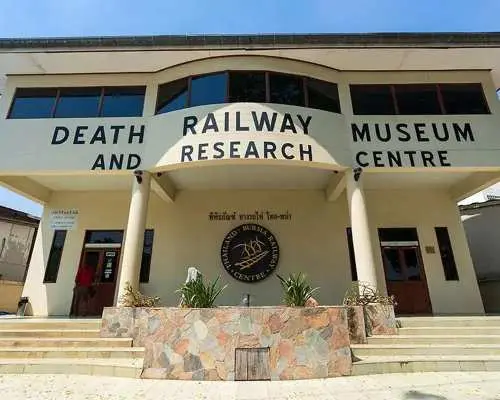
- เยี่ยมชมพิพิธภัณฑ์ศูนย์ทางรถไฟไทย-พม่า
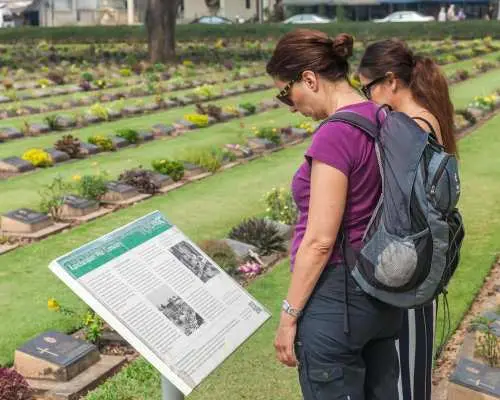
- ไปแสดงความเคารพที่สุสานทหารสัมพันธมิตร
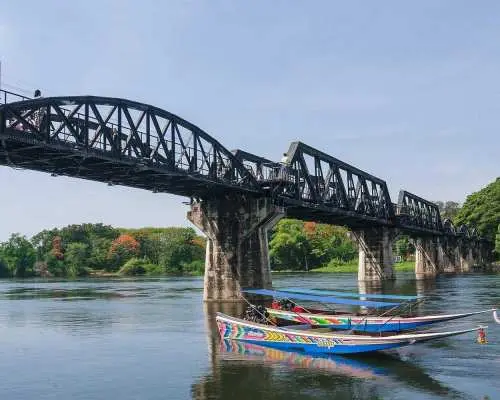
- ชมสะพานข้ามแม่น้ำแควอันเลื่องชื่อ
- เพลิดเพลินกับอาหารกลางวันที่ร้านอาหารท้องถิ่น
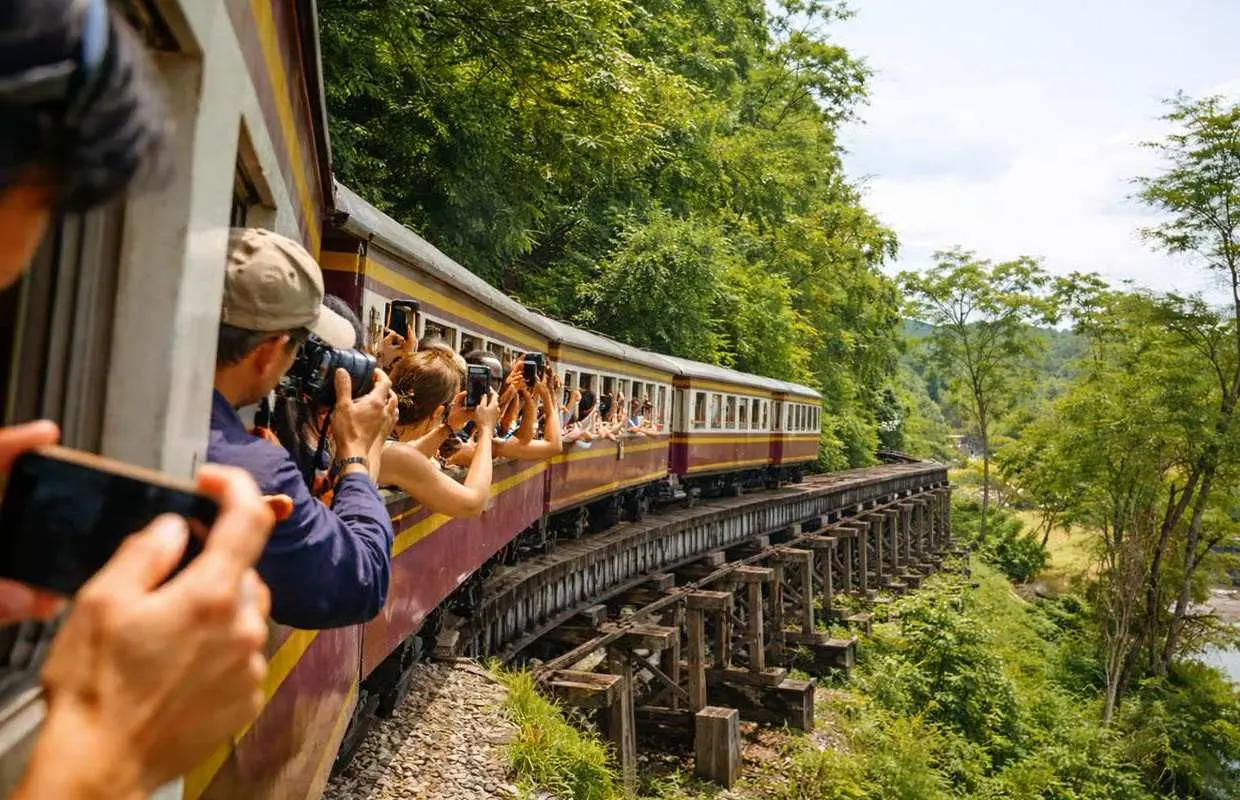
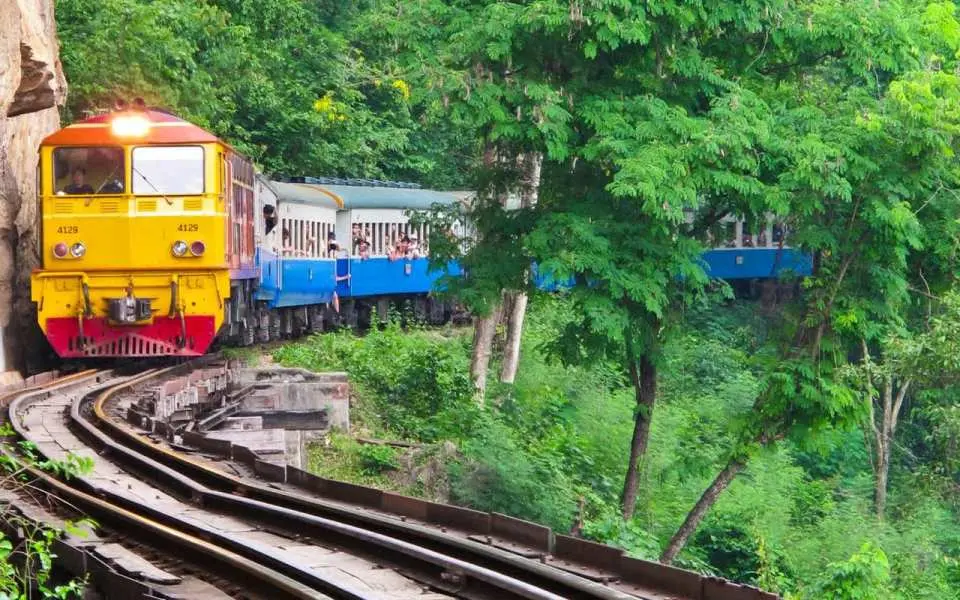
- นั่งรถไฟสายประวัติศาสตร์ "ทางรถไฟสายมรณะ" พร้อมชมทิวทัศน์แม่น้ำอันงดงาม
ตัวเลือกแพ็กเกจ


ข้อมูลสินค้า
ข้อมูลสินค้านี้แปลโดยระบบอัตโนมัติและอาจให้ข้อมูลที่ยังไม่สมบูรณ์ โปรดพิจารณาก่อนทำการสั่งซื้อ หรือติดต่อแผนกลูกค้าสัมพันธ์หากมีคำถามเพิ่มเติม
— สิ่งที่คุณคาดหวังได้ —
ค้นพบประวัติศาสตร์ของกาญจนบุรีด้วยทัวร์เต็มวันจากกรุงเทพฯ เยี่ยมชมศูนย์ทางรถไฟไทย-พม่า และเรียนรู้เกี่ยวกับทางรถไฟสายมรณะอันโด่งดังในช่วงสงครามโลกครั้งที่สอง
ร่วมไว้อาลัยที่สุสานทหารสัมพันธมิตรและเยี่ยมชมสะพานข้ามแม่น้ำแควอันโด่งดังระดับโลก รับประทานอาหารกลางวันที่ร้านอาหารท้องถิ่นก่อนนั่งรถไฟสายประวัติศาสตร์ "ทางรถไฟสายมรณะ" ข้ามสะพานไม้เก่าแก่ที่สวยงาม
ทัวร์นี้เหมาะสำหรับนักท่องเที่ยวที่ต้องการสำรวจประวัติศาสตร์ วัฒนธรรม และทิวทัศน์อันงดงามในทริปเดียวที่น่าจดจำ
— กำหนดการเดินทาง —
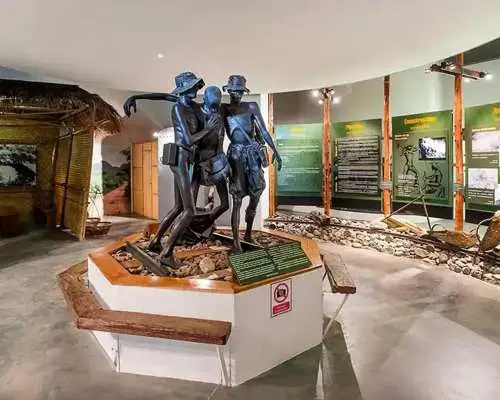
• ศูนย์รถไฟไทย-พม่า
เยี่ยมชมพิพิธภัณฑ์แบบอินเตอร์แอคทีฟและเรียนรู้เกี่ยวกับประวัติศาสตร์ของทางรถไฟสายมรณะ
ระยะเวลา: 45 นาที
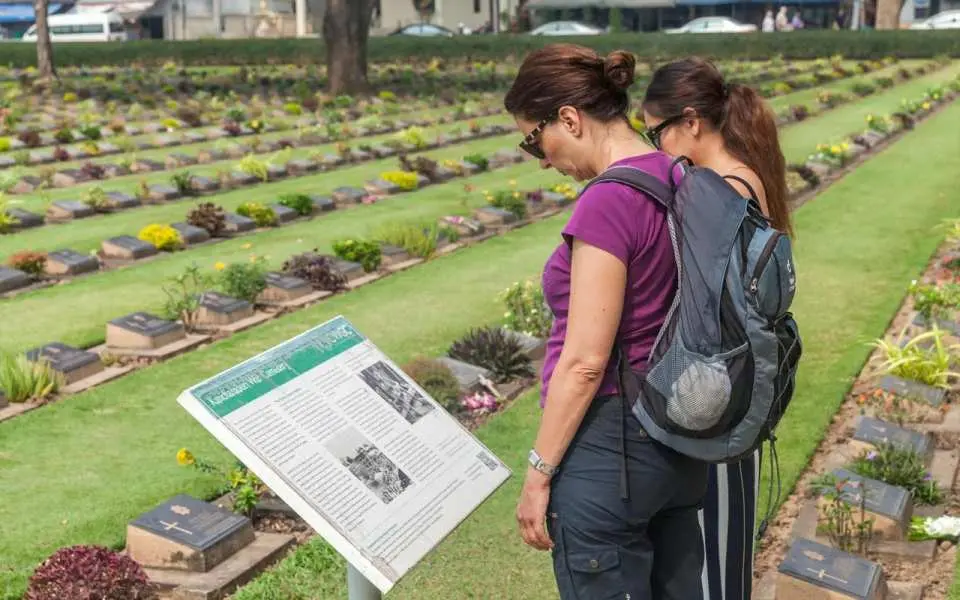
• สุสานสงครามกาญจนบุรี
ไปเคารพศพเชลยศึกฝ่ายสัมพันธมิตรที่สุสาน
ระยะเวลา: 20 นาที
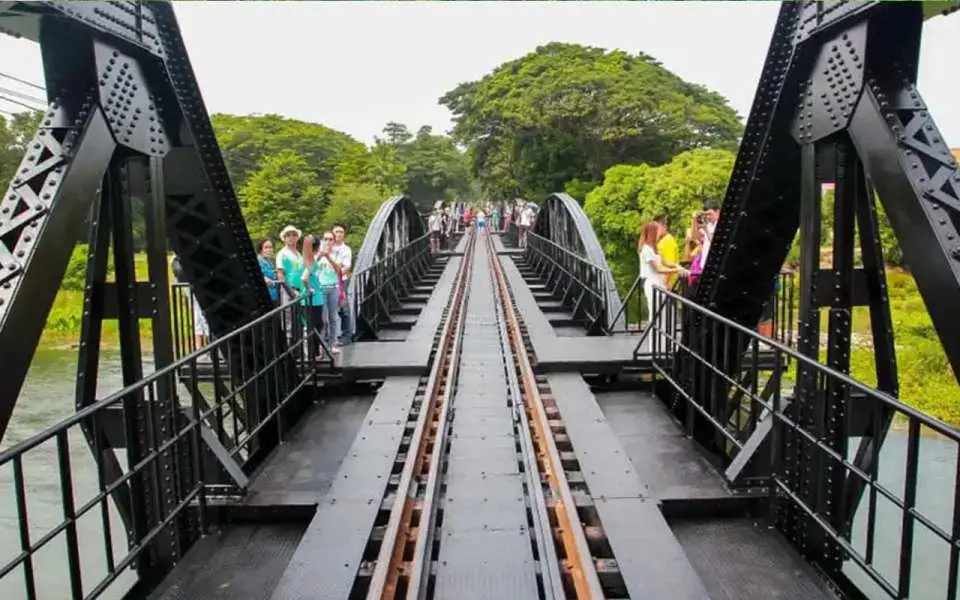
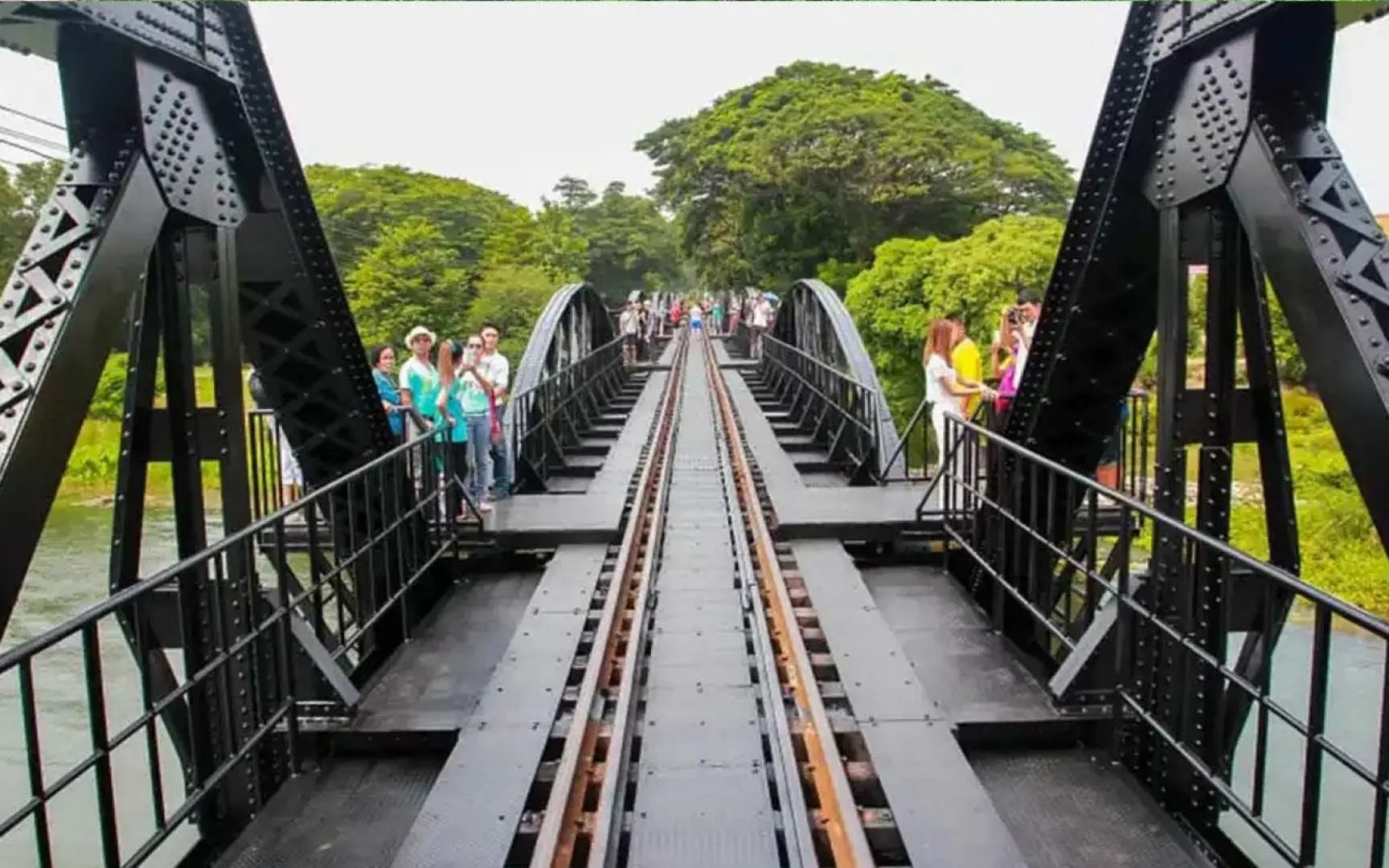
• สะพานข้ามแม่น้ำแคว
เยี่ยมชมสถานที่สำคัญทางประวัติศาสตร์สงครามโลกครั้งที่สอง และเพลิดเพลินกับทิวทัศน์โดยรอบ
ระยะเวลา: 1 ชั่วโมง
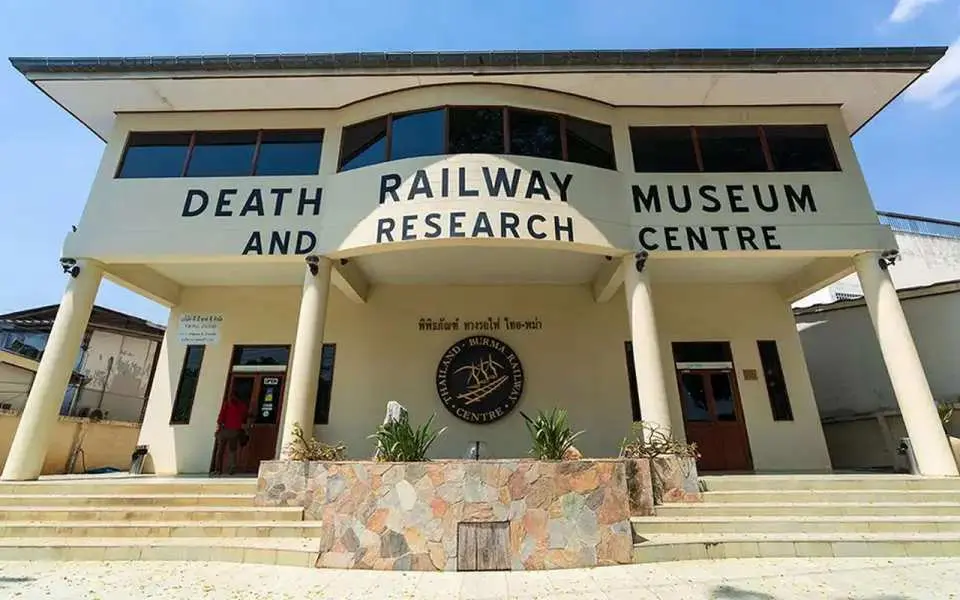
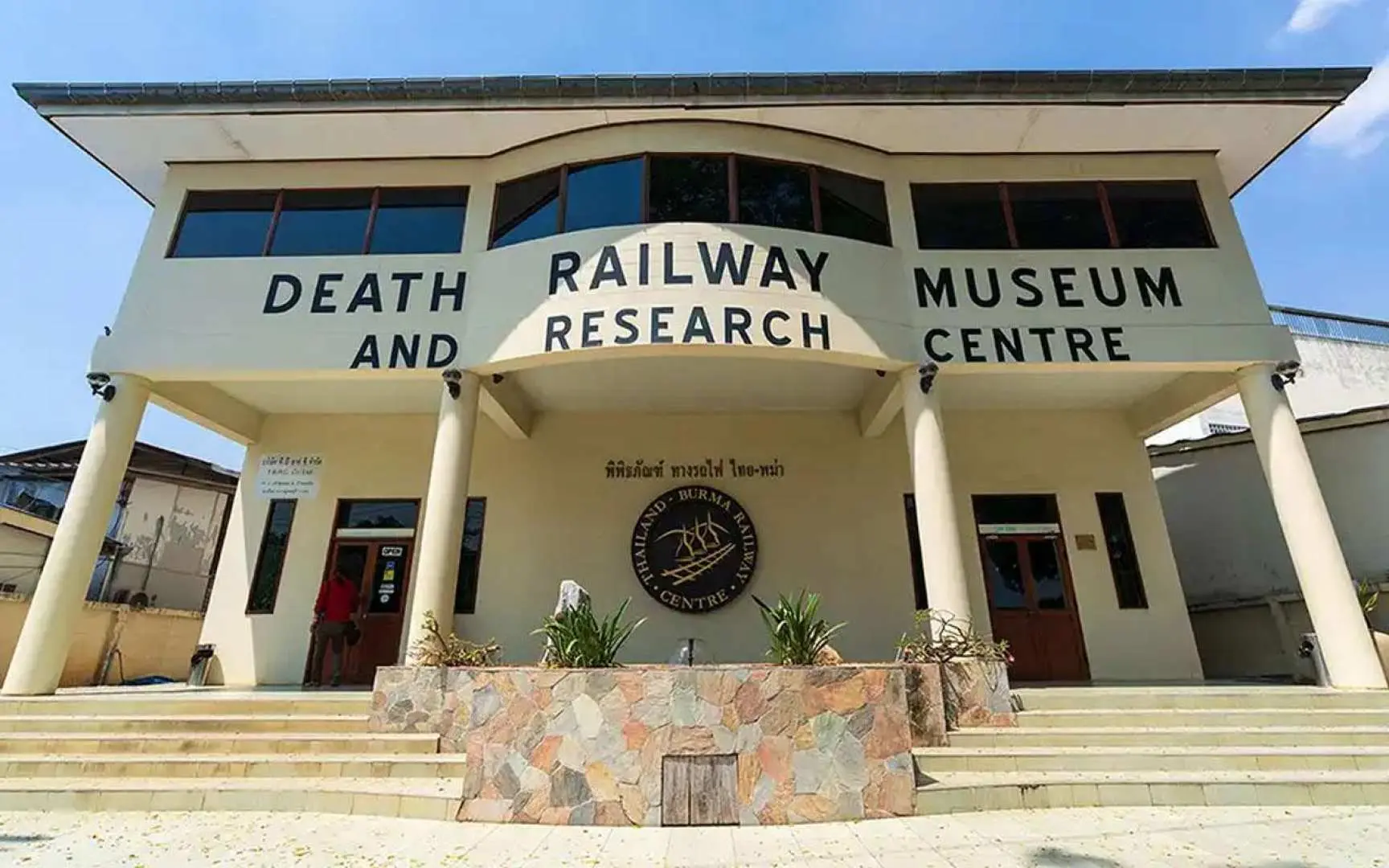
• พิพิธภัณฑ์และศูนย์วิจัยทางรถไฟสายมรณะ
ค้นพบข้อมูลทางประวัติศาสตร์และนิทรรศการเพิ่มเติมเกี่ยวกับทางรถไฟสายมรณะ
ระยะเวลา: 1 ชั่วโมง
*** เราจะส่งเวลาที่จะไปรับ รายละเอียดคนขับ และข้อมูลไกด์นำเที่ยวให้คุณในคืนก่อนวันเดินทาง ***
เยี่ยมชมพิพิธภัณฑ์แบบอินเตอร์แอคทีฟและค้นพบประวัติศาสตร์ของทางรถไฟสายมรณะ
เยี่ยมชมสุสานทหารแห่งกาญจนบุรีและแสดงความเคารพต่อเชลยศึกฝ่ายสัมพันธมิตร

ไปเยี่ยมชมสะพานข้ามแม่น้ำแควอันโด่งดังและเพลิดเพลินกับทิวทัศน์อันงดงาม

ข้อกำหนดและเงื่อนไขในการสั่งซื้อ
โปรดทราบ
กรุณามาถึงจะจุดนัดพบล่วงหน้า 15 นาที ก่อนเวลาออกเดินทาง รถจะออกเดินทางตรงเวลา
ตารางเวลาอาจมีการเปลี่ยนแปลงได้ขึ้นอยู่กับสภาพการจราจรและสภาพอากาศในพื้นที่
ข้อมูลเกี่ยวกับคนขับและไกด์นำเที่ยวจะแจ้งให้ทราบหนึ่งวันก่อนวันเดินทาง
ทัวร์นี้เป็นการเดินทางแบบร่วมกัน ดังนั้นเวลาในการรับและส่งอาจคลาดเคลื่อนจากตารางเล็กน้อย โปรดมาถึงจุดนัดพบอย่างน้อย 15 นาทีก่อนเวลารับ
คำถามที่พบบ่อย
สะพานแม่น้ำแควตั้งอยู่ในจังหวัดกาญจนบุรี ทางตะวันตกของประเทศไทย ทอดข้ามแม่น้ำแควใหญ่ อยู่ใกล้กับตัวเมืองกาญจนบุรี และเป็นหนึ่งในแลนด์มาร์คที่มีชื่อเสียงที่สุดของท้องถิ่น อีกทั้งยังเป็นส่วนสำคัญของทางรถไฟสายมรณะที่เชื่อมต่อประเทศไทยกับพม่า สภาพแวดล้อมโดยรอบเต็มไปด้วยบรรยากาศทางประวัติศาสตร์ ใกล้เคียงยังมีสถานที่ท่องเที่ยวที่เกี่ยวข้อง เช่น พิพิธภัณฑ์ทางรถไฟสายมรณะและสุสานสัมพันธมิตรฝ่ายพันธมิตร
สะพานแม่น้ำแควเป็นส่วนหนึ่งของทางรถไฟสายไทย-พม่าที่ถูกสร้างขึ้นโดยกองทัพญี่ปุ่นที่บังคับให้เชลยศึกฝ่ายพันธมิตรและแรงงานชาวเอเชียในช่วงสงครามโลกครั้งที่สอง การก่อสร้างสะพานนี้มีความยากลำบากอย่างยิ่ง ทำให้มีแรงงานจำนวนมากเสียชีวิต ทางรถไฟสายพม่าจึงถูกเรียกว่า 'ทางรถไฟสายมรณะ' สะพานนี้ไม่เพียงแต่เป็นสิ่งมหัศจรรย์ทางวิศวกรรมเท่านั้น แต่ยังเป็นสัญลักษณ์สำคัญที่ระลึกถึงความทุกข์ทรมานจากสงครามและความสงบสุข เรื่องราวของสะพานนี้ได้รับการดัดแปลงเป็นภาพยนตร์หลายเรื่องจนเป็นที่รู้จักอย่างแพร่หลาย
การนั่งรถไฟสายมรณะเป็นประสบการณ์ที่ผสมผสานระหว่างประวัติศาสตร์และทิวทัศน์ คุณจะได้เดินทางบนรางรถไฟที่สร้างขึ้นในช่วงสงครามโลกครั้งที่สอง โดยเฉพาะอย่างยิ่งเมื่อผ่านสะพานไม้โบราณที่ทอดข้ามหุบเขา คุณจะสามารถมองเห็นทิวทัศน์อันงดงามของแม่น้ำแควจากบนรถไฟได้ การเดินทางช่วงนี้จะทำให้คุณได้สัมผัสกับความยากลำบากในการสร้างทางรถไฟในอดีต พร้อมทั้งดื่มด่ำกับทิวทัศน์ธรรมชาติและบรรยากาศทางประวัติศาสตร์ตลอดเส้นทาง ซึ่งเป็นวิธีสำคัญในการทำความเข้าใจกาญจนบุรีอย่างลึกซึ้ง
นอกเหนือจากสะพานแม่น้ำแควอันโด่งดังแล้ว กาญจนบุรียังมีพิพิธภัณฑ์ทางรถไฟสายมรณะและสุสานสัมพันธมิตรฝ่ายพันธมิตร พิพิธภัณฑ์ทางรถไฟสายมรณะนำเสนอประวัติศาสตร์ของทางรถไฟสายมรณะอย่างลึกซึ้งผ่านนิทรรศการและสื่อมัลติมีเดีย ส่วนสุสานสัมพันธมิตรฝ่ายพันธมิตรถูกสร้างขึ้นเพื่อรำลึกถึงทหารฝ่ายพันธมิตรที่เสียชีวิตในระหว่างการก่อสร้างทางรถไฟ สถานที่เหล่านี้ร่วมกันสร้างวัฒนธรรมทางประวัติศาสตร์ที่เข้มข้นของกาญจนบุรี
พิพิธภัณฑ์ทางรถไฟสายมรณะมุ่งมั่นที่จะอนุรักษ์และจัดแสดงประวัติศาสตร์ที่แท้จริงของทางรถไฟสายมรณะ ที่นี่ คุณจะได้เรียนรู้เกี่ยวกับการวางแผน กระบวนการก่อสร้าง สภาพชีวิตของเชลยศึกและแรงงาน เรื่องราวการต่อสู้ของเชลยศึกฝ่ายพันธมิตร และผลกระทบต่อสังคมในท้องถิ่นในช่วงสงครามโลกครั้งที่สอง ผ่านคำอธิบายโดยละเอียด ภาพถ่ายทางประวัติศาสตร์ แผนที่ โมเดลจริง และข้อมูลวิดีโอต่างๆ ซึ่งเป็นหน้าต่างสำคัญในการทำความเข้าใจประวัติศาสตร์ช่วงนี้อย่างลึกซึ้ง
เมื่อไปเยี่ยมชมสะพานแม่น้ำแควและทางรถไฟสายมรณะ แนะนำให้สวมรองเท้าที่สวมสบาย เนื่องจากอาจต้องเดิน เนื่องจากสภาพอากาศร้อน โปรดป้องกันแสงแดดและดื่มน้ำให้เพียงพอ ขณะเดินหรือนั่งรถไฟบนทางรถไฟสายมรณะ โปรดระมัดระวังความปลอดภัยและปฏิบัติตามคำแนะนำ ในสถานที่ศักดิ์สิทธิ์ เช่น สุสานสัมพันธมิตรฝ่ายพันธมิตร โปรดรักษาความสงบเรียบร้อย เพื่อแสดงความเคารพ การทราบเวลาเปิด-ปิดและเส้นทางการเยี่ยมชมสถานที่ จะช่วยให้การเดินทางของคุณราบรื่นยิ่งขึ้น
จากตัวเมืองกรุงเทพฯ การเดินทางไปยังสะพานแม่น้ำแควและทางรถไฟสายมรณะในจังหวัดกาญจนบุรี ใช้เวลาเดินทางประมาณ 2 ถึง 3 ชั่วโมงต่อเที่ยว ระยะเวลาที่แน่นอนขึ้นอยู่กับสภาพการจราจรและวิธีการเดินทางที่คุณเลือก หากคุณเข้าร่วมทัวร์แบบเต็มวัน โดยทั่วไปจะรวมบริการรถรับส่งส่วนตัว ซึ่งจะช่วยให้คุณเดินทางไป-กลับ กรุงเทพฯ และกาญจนบุรีได้อย่างมีประสิทธิภาพและสะดวกสบาย โดยไม่ต้องวางแผนเส้นทางการเดินทางที่ซับซ้อนด้วยตนเอง
สุสานสัมพันธมิตรฝ่ายพันธมิตรเป็นสถานที่พักผ่อนสุดท้ายของเชลยศึกฝ่ายพันธมิตรที่เสียชีวิตในระหว่างการก่อสร้างทางรถไฟสายมรณะในช่วงสงครามโลกครั้งที่สอง สถานที่แห่งนี้เป็นสัญลักษณ์ของความโหดร้ายของสงครามและราคาของชีวิตนับไม่ถ้วน เตือนให้คนรุ่นหลังเห็นคุณค่าของสันติภาพ เมื่อมาเยือน โปรดรักษาทัศนคติที่เคร่งขรึมและสงบเงียบ หลีกเลี่ยงการเล่นเสียงดัง ควรแต่งกายสุภาพเรียบร้อย เพื่อแสดงความเคารพต่อผู้เสียชีวิต สถานที่แห่งนี้ไม่เพียงแต่เป็นซากปรักหักพังทางประวัติศาสตร์เท่านั้น แต่ยังเป็นสถานที่สำคัญสำหรับการศึกษาเรื่องสันติภาพอีกด้วย
รับความช่วยเหลือ