


홋카이도 노보리베츠 + 마가리 마을 + 메이스이 공원 당일 여행 | 요테이산 경치 투어
- 멋지게 차려입고 패션쇼를 관람하고 옛 시가지를 거닐며, 다테 지다이무라에서 에도 시대의 매력을 한 번에 경험해 보세요.
- 도야호의 경치를 감상하고 호수, 산, 화산 지형이 만들어내는 자연의 경이로움을 느껴보세요.
- 마가리 메이스이 공원을 거닐고, 요테이산의 웅장한 풍경을 감상하며, 홋카이도의 때묻지 않은 자연을 만끽해 보세요.
옵션 선택


관광 투어
| 투어 모드 | 프라이빗 투어 |
| 이동수단 | 집합장소 셔틀 |
| 집합 시간 | 아침 출발(8:00까지) |
| 수하물 제한 | 1개 |
| 투어 유형 | 가이드 투어 |
| 식사 제공 | 스스로 해결 |
| 가족 친화적 | 2세 미만 무료(좌석 없음) |
| 계절 한정 | 여름 페스티벌 |
| 교통수단 | 버스 투어 |
상품 설명
유의사항
[관광 조건]
• 출발/도착지: 홋카이도 • 투어 기간: 당일 여행 • 교통 전세 차량: 전세 차량 (참가 인원에 따라 차량 종류 결정)
• 차량 제공 업체: 산유투어리즘 • 식사 횟수:
조식: 0회; 중식: 0회; 석식: 0회 • 숙박: 없음 • 최소 그룹 인원: 1명 • 투어 리더: 없음 • 운전기사/가이드: 없음
당일 배정된 차량 종류에 따라 서비스가 제공되며, 전문 운전기사가 픽업 및 하차를 담당합니다. 관광 택시 또는 소형 차량이 배정된 경우, 운전기사는 이동 중 간단한 중국어/일본어 안내를 제공합니다.
[여행 계획/실행]
회사명: Y.H 인터내셔널 트래블 주식회사 주소: 홋카이도 삿포로시 주오구 기타 1조 니시 10초메 10-1-27 교도빌딩 3층 여행업 등록: 홋카이도 지사 등록 번호: 여행업 제2-833호 소속: 전국여행사협회(ANTA) 홋카이도 지부 (정회원)
유의사항
약속된 만남 시간 10분 전에 지정된 만남 장소에 도착해 주시기 바랍니다. 셔틀버스는 예정된 시간에 출발합니다. 늦은 도착으로 인한 운행 차질에 대해서는 당사가 책임지지 않음을 양해 부탁드립니다.
• 승객 한 명당 수하물 한 개를 무료로 운반하실 수 있습니다. 예약 시 수하물 개수를 알려주시면 적절한 차량과 수하물 공간을 준비해 드리겠습니다.
• 본 투어는 최대 9명까지 이용 가능한 전세 차량 서비스이며, 동일한 그룹의 승객만 이용할 수 있습니다. 다른 승객과 차량을 공유하는 것은 불가능합니다.
• 본 투어 요금에는 차량 비용, 운전기사 서비스 요금 및 일정표에 명시된 항목만 포함됩니다. 기타 개인 경비, 식사 및 일정표에 명시되지 않은 기타 비용은 포함되지 않습니다.
• 여행 일정은 체류 기간 및 관광지 방문 순서 등 여행객의 필요에 따라 합리적인 범위 내에서 유연하게 조정할 수 있지만, 당일 교통 상황, 도로 통제 및 전체 여행 일정 조정에 따라 달라질 수 있습니다.
• 노보리베쓰 다테 지다이무라 공연 일정, 2026년 4월 1일 ~ 2026년 10월 31일:
닌자 카스미 저택 [닌자 공연 (약 20분)]
9시 30분~9시 50분
일본 전통 문화 연극 공연: 오이란(기녀) 공연 (약 30분)
10:05~10:35
• 날씨, 교통, 도로 폐쇄 또는 기타 불가항력적인 요인으로 인해 일부 관광지를 방문할 수 없는 경우, 당사는 그에 따라 여행 일정을 조정할 것입니다. 양해해 주셔서 감사합니다.
• 각 어트랙션의 개장 시간, 이용 가능 여부 및 체류 기간은 계절, 일본 공휴일 또는 시설 사정에 따라 달라질 수 있음을 양해해 주시기 바랍니다.
• 여행 중 여권, 현금 및 귀중품은 안전하게 보관하십시오. 당사는 분실, 도난 또는 파손에 대해 책임을 지지 않습니다.
• 본 투어에는 전문 운전기사가 제공하는 픽업 및 드롭오프 서비스가 포함되어 있습니다. 당일 일정에 따라 중국어 또는 일본어로 간단한 안내가 제공됩니다.
• 원활한 여행을 위해 위험물이나 반입 금지 물품은 탑승하지 마시고, 운전기사와 직원의 지시에 협조해 주시기 바랍니다.
• 본 투어에 참여하시는 여행객께서는, 특히 당일 항공편을 이용하셔야 하는 경우, 당일 저녁 식사나 다른 일정을 예약하지 않도록 주의하시고 충분한 시간을 확보하시기 바랍니다. 당사는 교통 체증, 악천후 또는 기타 불가항력적인 사건으로 인한 지연, 연결편 놓침 또는 항공편 놓침에 대해 어떠한 보상도 하지 않습니다.
취소 규정
- 출발 일 2일( 포함) 이전에 취소 시, 사용하지 않은 것은 무료로 취소 가능합니다.
- 출발 일 0~1 일 사이에 취소 시, 주문 취소, 변경, 환불 신청이 불가능합니다.
- 취소 요청 확인 날짜는 공급업체의 현지 시간을 따릅니다. 취소 요청 확인에는 영업일 기준 2-5일 정도 소요되며, 취소 규정에 따라 취소 수수료가 부과될 수 있습니다. 환불 신청이 접수된 후 KKday는 15일 이내에 최초 결제 수단으로 환불을 진행합니다. 실제 환불 시점은 사용하신 카드 발급 은행의 정책에 따라 달라집니다.
자주 묻는 질문
1. 요테이산의 지질학적 특징과 활화산 여부는 어떻게 되나요?
요테이산은 여러 겹의 용암과 화산재로 형성된 원뿔 모양의 성층 화산입니다. 현재 분화나 유황 가스 분출의 징후는 없지만, 일본 기상청에서는 활화산으로 분류하고 있습니다. 마지막으로 알려진 분화는 약 3,000년 전에 발생했습니다. 완벽한 대칭 형태 때문에 '에조 후지'라는 별명으로도 불립니다.
2. 요테이산이라는 이름의 유래와 의미는 무엇인가요?
일본어 이름 '요테이'(羊蹄)는 말 그대로 '양의 발굽'을 의미합니다. 이 이름은 산이 특정 각도에서 보았을 때 양의 발굽이나 갈라진 발처럼 보이기 때문에 붙여진 것으로 추정됩니다. 역사적으로 홋카이도의 원주민인 아이누족은 이 산을 '마카린누푸리'라고 불렀는데, 이는 산기슭에서 발원하는 시리베츠 강을 가리키며 '강으로 둘러싸인 산'이라는 뜻입니다.
3. 요테이산은 후지산과 어떻게 비교되며, 주요 차이점은 무엇인가요?
요테이산은 완벽에 가까운 원뿔 모양이 후지산과 매우 유사하여 '에조 후지'라고도 불립니다. 두 산 모두 성층 화산이며 상징적인 랜드마크입니다. 하지만 요테이산은 홋카이도에 위치한 반면, 후지산은 혼슈 섬에 있습니다. 두 산 모두 중요하지만, 후지산이 더 높고 세계적으로도 잘 알려져 있습니다. 요테이산은 홋카이도의 깨끗한 자연을 배경으로 마카리 온천수 공원 등에서 볼 수 있으며, 더욱 한적하고 평화로운 경험을 제공합니다.
4. 요테이산의 일본어 이름과 발음은 어떻게 되나요?
요테이산의 일본어 이름은 羊蹄山입니다. 일본어로는 '요테이잔(Yōtei-zan)'이라고 발음합니다. '요'(Yō)는 장음이며, '잔'(zan)은 산을 뜻하는 일본어입니다. 홋카이도의 자연 경관을 상징하는 아름답고 웅장한 산입니다.
5. 요테이산이 홋카이도 지역에서 방문객에게 독특한 랜드마크인 이유는 무엇인가요?
요테이산은 '에조 후지'라는 별명을 얻을 정도로 매우 대칭적이고 거의 완벽한 원뿔 모양으로 유명합니다. 홀로 우뚝 솟은 봉우리 덕분에 홋카이도의 풍경에서 두드러지고 쉽게 알아볼 수 있는 특징이 됩니다. 이 산은 깨끗한 자연으로 둘러싸여 있으며, 특히 마카리 온천수 공원과 같은 장소에서 바라볼 때 숨 막힐 듯한 파노라마 전망을 제공하여 그 웅장함과 지역의 순수한 환경을 보여줍니다. 또한 순수한 샘물로도 유명합니다.
6. 노보리베츠의 다테지다이무라에서 어떤 경험을 할 수 있나요?
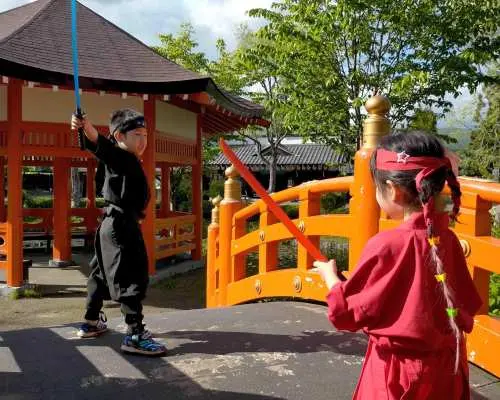
다테지다이무라에서는 방문객들이 일본 에도 시대로 시간 여행을 떠날 수 있습니다. 이곳에서는 전통 에도 의상을 입어보고, 닌자와 오이란의 흥미진진한 라이브 공연을 관람하며, 정교하게 재현된 고대 거리를 탐험할 수 있습니다. 사무라이 저택과 상점들을 거닐며 그 시대의 문화, 엔터테인먼트, 일상생활에 몰입할 수 있습니다.
7. 도야호 온천 마을과 전망대에서 즐길 수 있는 주요 볼거리와 경치는 무엇인가요?
도야호 온천 마을은 칼데라 호수를 따라 펼쳐진 편안한 휴식처를 제공합니다. 전망대에서는 도야호, 독특한 섬들, 주변의 화산 지형을 파노라마로 감상할 수 있습니다. 이곳은 잔잔한 물결, 울창한 산, 독특한 지질학적 형성물이 어우러져 그림 같은 자연 경관을 선사하며, 특히 사진 촬영에 이상적입니다.
8. 마카리 온천수 공원에서 무엇을 볼 수 있으며, 특히 요테이산과 관련하여 어떤 경험을 할 수 있나요?
마카리 온천수 공원은 요테이산에서 직접 흘러나오는 천연 샘물로 유명합니다. 방문객들은 수원지에서 매우 순수하고 신선한 물을 맛볼 수 있습니다. 이 공원은 또한 요테이산을 가리는 것 없이 장관을 이루는 멋진 전망을 즐길 수 있는 훌륭한 장소입니다. 홋카이도의 자연의 아름다움과 산의 장엄함을 감상할 수 있는 평화로운 환경을 제공합니다.
도움을 받기


