Get Exclusive App Deals
Product #575521
6
[SEOUL] Korean after-work culture experience (Enjoying K-BBQ & KARAOKE)
[SEOUL] Korean after-work culture experience (Enjoying K-BBQ & KARAOKE)
[SEOUL] Korean after-work culture experience (Enjoying K-BBQ & KARAOKE)
[SEOUL] Korean after-work culture experience (Enjoying K-BBQ & KARAOKE)
[SEOUL] Korean after-work culture experience (Enjoying K-BBQ & KARAOKE)

[SEOUL] Korean after-work culture experience (Enjoying K-BBQ & KARAOKE)


Duration:2 hour(s)
Guided language: English / 한국어
Free cancellation
Please present the e-voucher on-site

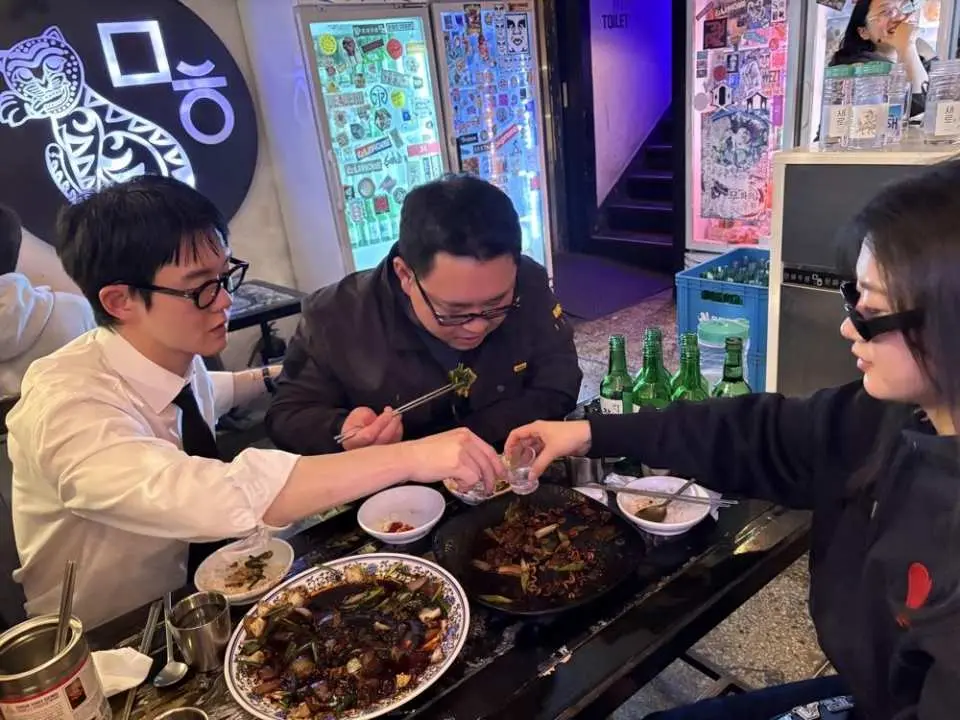
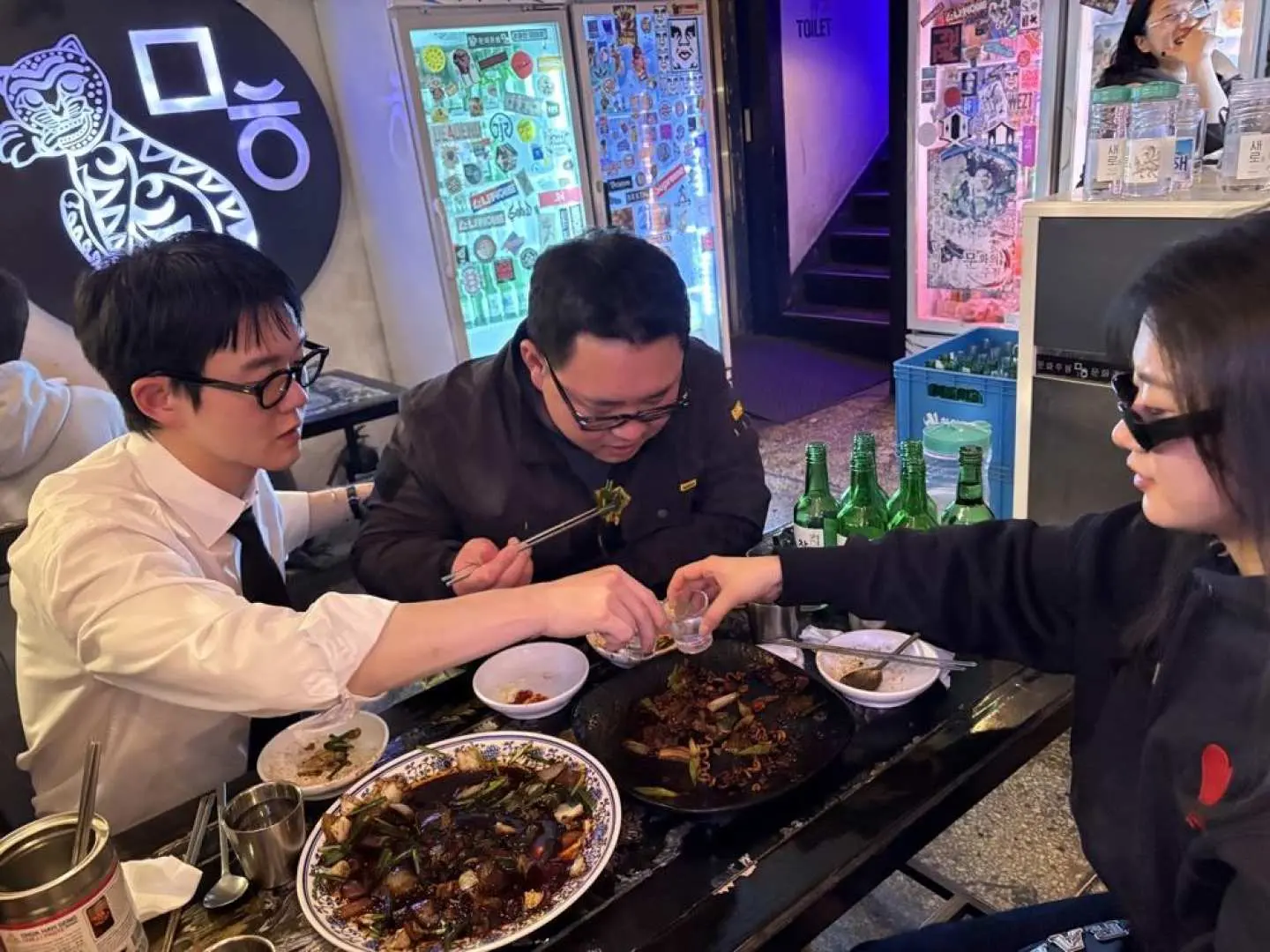
1. Enjoy a delicious meal with a Korean professional in business attire at a traditional K-BBQ restaurant in Seoul.

2. Get an introduction from the Korean local about the daily post-work lives of office workers and the "Hoesik" (company dinner) culture.

3. (Optional) Visit a Noraebang (karaoke), an essential post-dinner stop for Korean workers, to sing energetically while enjoying snacks.

[5% App discount] Code: APP5OFF , HK: APP15HK
Instant confirmation

Package Options

Details
Select a package to view details

Product Info

[The Meet-up]
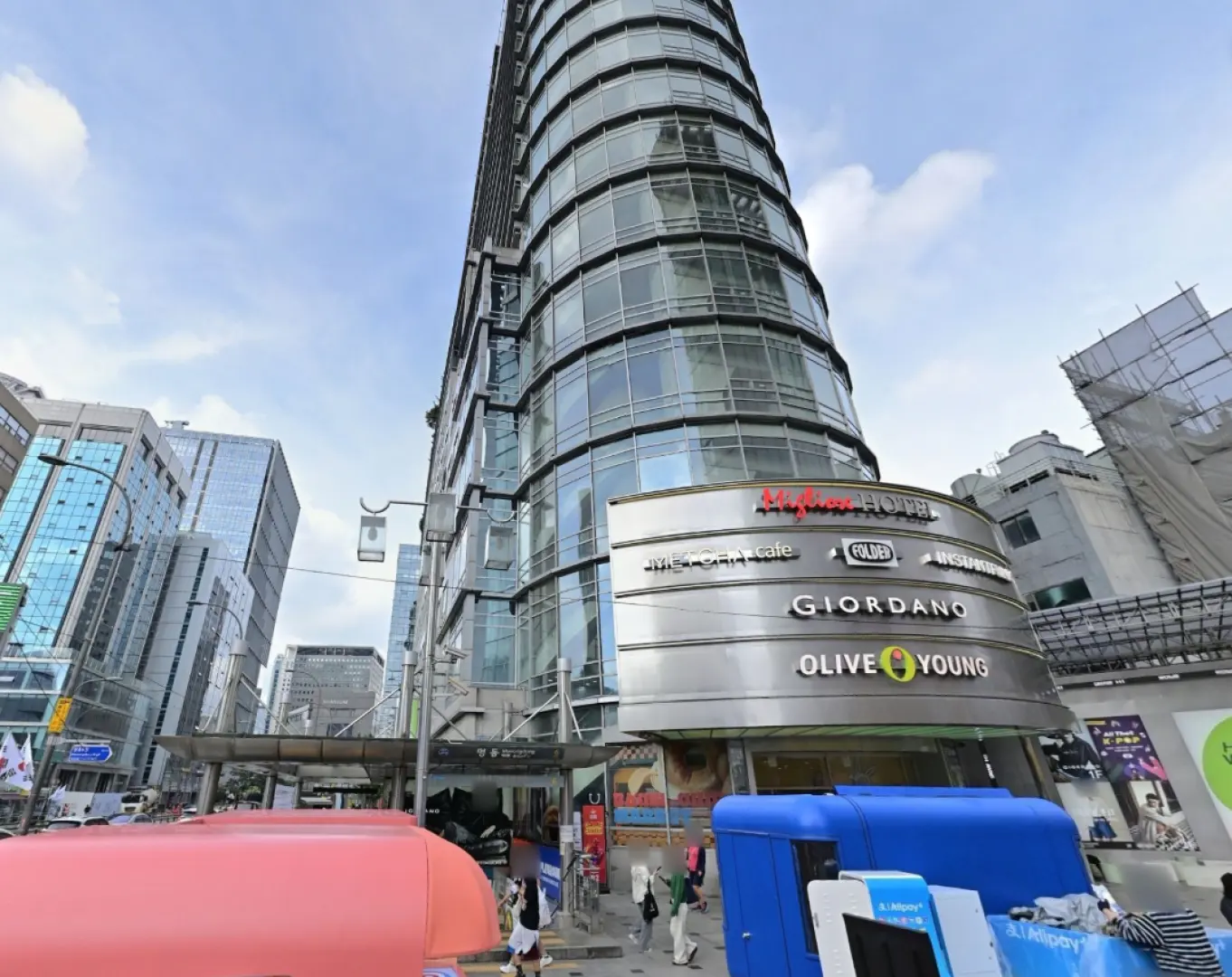
We'll meet at the entrance of the 'Olive Young' store in front of Myeong-dong Station, Exit 6. (19:30)
(Address) 24-1 Chungmuro 1(il)-ga, Jung District, Seoul, South Korea

[Experience Introduction]
We’ll visit a beloved old-school local restaurant where Korean office workers gather. Enjoy iconic K-drama dishes and understand company dinner culture. (Additional Options) Karaoke (Noraebang) Night No Korean office night is complete without karaoke. Sing K-pop hits, enjoy light snacks, and experience the lively second round that defines Korean corporate bonding culture.

(Additional Options)

Beyond the Meal: From historic "Nopo" alleys to the high-energy "2-cha" (Round 2) at a private karaoke, we offer a 100% authentic corporate bonding ritual.


[Experience Details]
1. Enjoy a delicious meal with a Korean professional in business attire at a traditional K-BBQ restaurant in Seoul.

2. Get an introduction from the Korean local about the daily post-work lives of office workers and the "Hoesik" (company dinner) culture.

3. (Optional) Visit a Noraebang (karaoke), an essential post-dinner stop for Korean workers, to sing energetically while enjoying snacks.

Enjoy a delicious meal with a Korean professional in business attire at a traditional K-BBQ restaurant in Seoul.

Enjoy a delicious meal with a Korean professional in business attire at a traditional K-BBQ restaurant in Seoul.

Important Info

Reminders

  • A minimum of 1 traveler(s) are required for the tour to depart. If the number of participants does not reach the minimum requirement, the tour will be canceled. An email regarding tour cancellation will be sent 1 day(s) before the departure date

  • Please arrive at the designated location 5 minute(s) before the scheduled departure time, as the tour will depart on time

FAQ

1. What does K-BBQ stand for, and what type of meal is it during a Korean after-work culture experience?

K-BBQ stands for Korean Barbecue. It's a popular communal dining experience where various cuts of marinated and unmarinated meats, primarily beef and pork, are grilled by diners themselves at their table. During a Korean after-work culture experience, K-BBQ is often the main course of the first round of dining (1-cha), serving as a central point for socializing, sharing food, and building camaraderie among colleagues or friends. It's a lively and interactive meal that forms a core part of the social gathering.

2. What is the typical K-BBQ portion size per person, and how does it fit into the overall Korean after-work dining experience?

K-BBQ is typically ordered in servings that are shared among the group rather than individual plates. Restaurants usually recommend a certain number of servings based on the group size, for example, 2-3 servings for two people, emphasizing a communal feast. The focus isn't on strict individual portions but on abundant food sharing, often accompanied by numerous side dishes like kimchi, various vegetables, and sauces. This sharing aspect fosters conversation and strengthens bonds within the group, aligning perfectly with the 'Hoesik' (company dinner) social dynamic of an after-work experience.

3. Within Korean work culture, is it acceptable to refuse to attend a 'Hoesik' (company dinner)?

While refusing to attend a 'Hoesik' (company dinner) is generally possible, it can be a nuanced situation in Korean work culture. Traditionally, attendance is highly valued as it often demonstrates commitment to teamwork and company harmony. Frequent or unexcused refusals might be perceived negatively, potentially impacting social standing within the team. However, with evolving work cultures, genuine reasons for absence, if communicated politely and in advance, are increasingly understood. Many companies are also becoming more flexible, recognizing the importance of work-life balance for their employees.

4. What are the typical characteristics of Korean work culture and how do they influence after-work social gatherings?

Korean work culture often emphasizes hierarchy, teamwork, diligence, and long working hours, with loyalty and respect for seniors being highly valued. These characteristics significantly influence after-work social gatherings, commonly known as 'Hoesik'. These gatherings are not just for leisure but are considered an extension of work, serving to build team cohesion, strengthen relationships, and facilitate informal communication. Participation in these events can be seen as a way to demonstrate commitment and build rapport with colleagues and superiors, making them an important part of professional life in Korea.

5. What specific equipment or tools are typically used when enjoying K-BBQ at a traditional Korean restaurant?

At a traditional K-BBQ restaurant, several key pieces of equipment enhance the dining experience. Each table typically features a built-in grill, either charcoal or gas-fired, for cooking the meat. Tongs and sharp scissors are provided for diners to handle and cut the meat as it cooks to their preference. Individual plates, chopsticks, and often small ceramic bowls for dipping sauces are standard. Overhead exhaust vents are usually suspended above the grill to manage smoke and odors, ensuring a comfortable dining environment while enjoying the lively atmosphere.

6. What is the proper dining etiquette to observe when participating in a K-BBQ meal at a Korean after-work culture experience?

When enjoying a K-BBQ meal during a Korean after-work experience, it's customary for the most senior person at the table to often initiate the grilling or pour the first drink. It's common to serve others, especially seniors, before serving yourself. Use tongs to handle raw meat on the grill and fresh chopsticks for eating cooked food. You can wrap cooked meat in a leafy green with kimchi, garlic, and ssamjang for a 'ssam'. Remember to share side dishes and drinks communally. Toasts are frequent, often with phrases like 'Gunbae!' (Cheers!), encouraging a convivial atmosphere.

7. What are some highly recommended dishes to try when enjoying K-BBQ as part of a Korean after-work culture experience?

When experiencing K-BBQ as part of a Korean after-work culture experience, popular and highly recommended choices include Samgyeopsal (thick-cut pork belly) and Moksal (pork neck), which are essential staples. For beef lovers, Galbi (marinated beef short ribs) and Bulgogi (thinly sliced marinated beef) are excellent options, offering rich flavors. Many restaurants also feature Chadolbaegi (thinly sliced beef brisket) known for its quick cooking time. Complement your grilled meats with an assortment of fresh side dishes, known as 'banchan', and perhaps a refreshing bowl of Naengmyeon (cold noodles) or a hearty Doenjang Jjigae (fermented soybean paste stew) to complete the meal.

8. What is the '52-hour work rule' in South Korea, and how has it influenced the daily post-work lives of office workers and their social activities?

The '52-hour work rule' in South Korea, implemented in 2018, caps the maximum weekly working hours at 52 (40 regular hours plus 12 overtime hours). This regulation was introduced to improve work-life balance and reduce the traditionally long working hours. It has significantly influenced after-work culture by providing employees with more personal time. This has led to a slight decrease in mandatory 'Hoesik' (company dinners) and a rise in individual leisure activities or smaller, more voluntary social gatherings, contributing to a broader range of post-work options and a shift in social dynamics for office workers.

Get Help

KKday Help Center