


Japan Tea Ceremony Experience at Sheraton Miyako Hotel Osaka | Japanese Wagashi Tasting + Kimono Rental
Immerse yourself in Japan's culture by wearing a kimono and experiencing the tea ceremony. Learn from professionals about kimono dressing and tea-making, while discovering the rich history and traditions behind the practice. Enjoy making your own tea, savoring green tea with two wagashi, and capturing memorable photos in a traditional setting. Perfect for both men and women!
- Join a traditional tea ceremony at the Sheraton Miyako Hotel Osaka, held in an authentic tea room on the fourth floor
- Guided by certified tea ceremony instructors, this experience includes wearing a kimono, learning the cultural traditions and etiquette of the tea ceremony, observing its rituals, and savoring matcha paired with Japanese wagashi
- Immerse yourself in the art of Japanese tea culture and create a memorable experience
Product Info
The content of this product is provided by machine translation and may not reflect the actual information, please take this into consideration before booking.
- What You Can Expect -
Experience an authentic tea ceremony at the Sheraton Miyako Hotel Osaka, hosted in a traditional tea room on the fourth floor and guided by certified tea ceremony instructors.
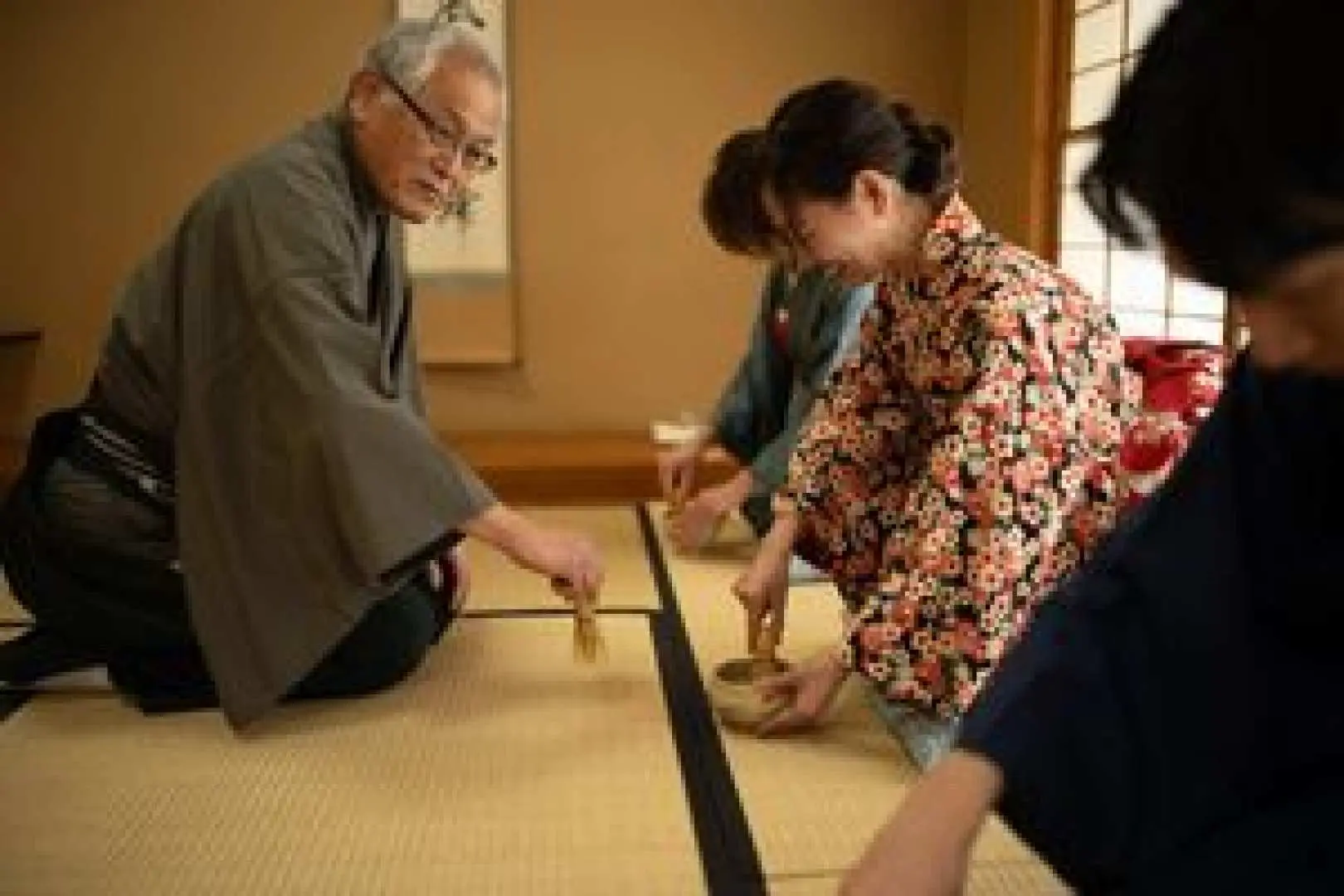
This activity includes kimono rental, allowing you to dress the part as you learn the rich culture, traditions, and etiquette of the tea ceremony. Observe the intricate rituals, savor matcha, and enjoy Japanese wagashi, immersing yourself in this timeless art.
Discover the joys of matcha and take home knowledge to recreate the experience.
Choose to sit comfortably on tatami mats or chairs, with cushions provided—no need to kneel.
Join us for this cultural journey and embrace the elegance of Japanese tea drinking!
Learn Japanese traditional tea ceremony culture with a tea ceremony teacher

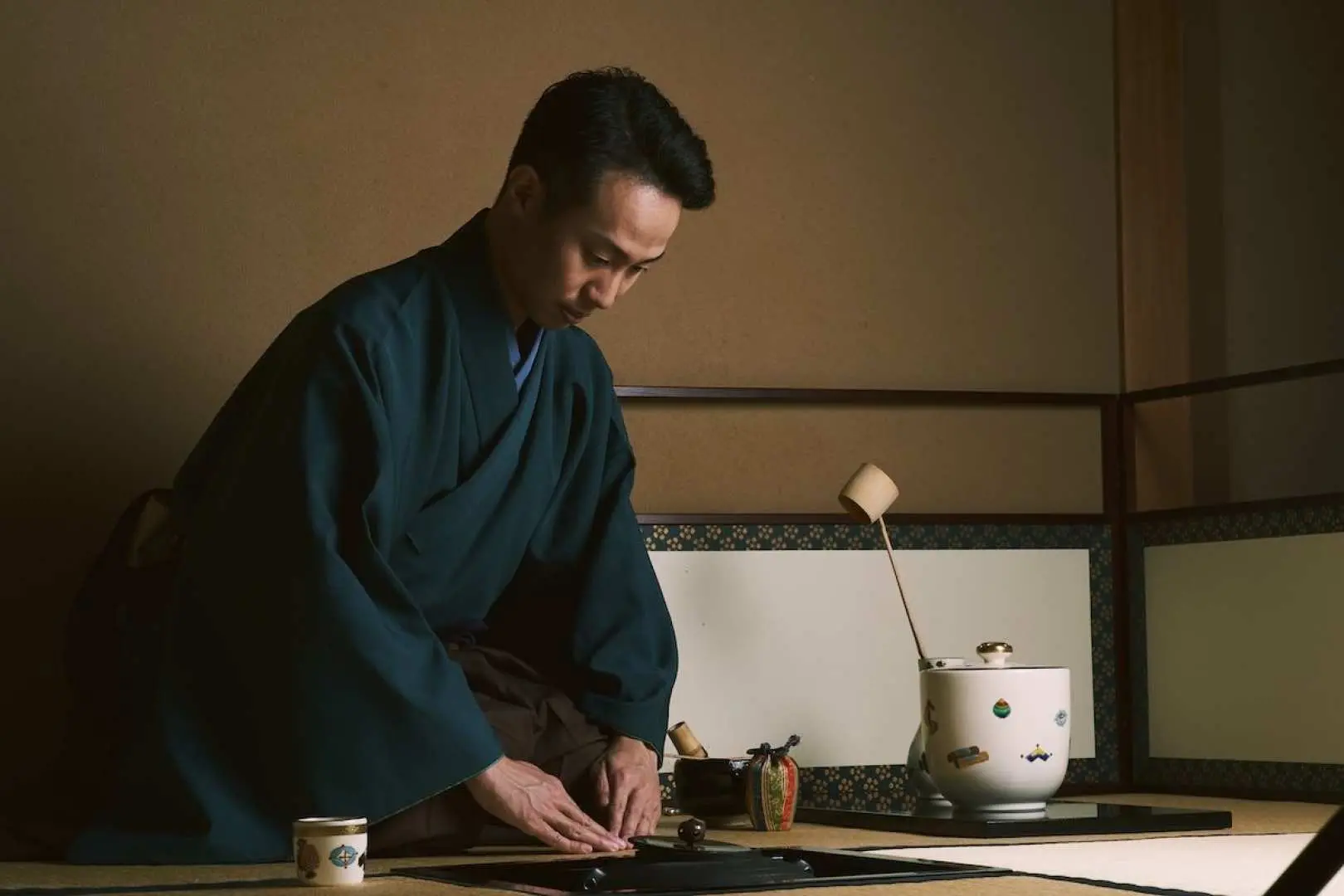
Experience peace of mind through the tea ceremony

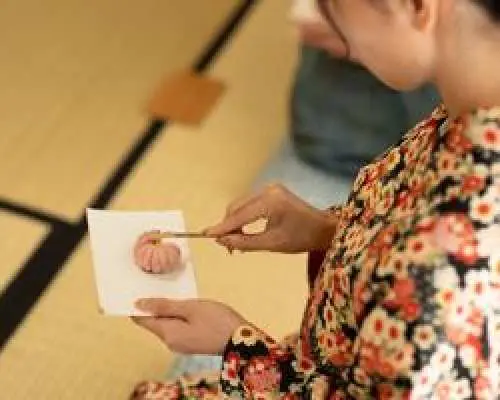
Activities include wagashi tasting


Important Info
Includes/Excludes
- Guided tour
- Kimono rental
- Japanese Wagashi (2 pieces each)
- Matcha
- Tea Ceremony Observation and Experience
- Other expenses not mentioned above
- Personal expenses
Reminders
Please arrive at the designated location 5 minute(s) before the scheduled departure time, as the tour will depart on time
Including the time to change into kimono, the average experience time of this activity is about 75 minutes.
If foreign tourists place a reservation, there will be an English-speaking support staff on site, so there is no need to worry.
How to Redeem Your Voucher
How to Use Your Voucher
- Please present the e-voucher on-site
Validity Period
- The voucher must be used on the selected date and within operating hours; Invalid after expiration
Experience Location
Location Name: Osaka Sheraton Miyako Hotel Tea Room Yurakuan
Address: 〒543-0001 6-1-55 Uehommachi, Tennoji-ku, Osaka City 4F Tea Room YurakuanCancellation Policy
- Once the order has been completed, it cannot be canceled, modified, or refunded
- Due to time zone differences, the confirmed cancellation date is based on the supplier’s local time. Please allow 2–5 business days to process your cancellation request, after which the cancellation fee will be charged according to the product’s cancellation policy. Once the cancellation is confirmed, you will receive your refund within 14 working days.
FAQ
The Japan Tea Ceremony, known as 'Chado', is a profound cultural art form emphasizing harmony, respect, purity, and tranquility. This experience at Sheraton Miyako Hotel Osaka allows guests to immerse themselves in these traditions, understand the intricate rituals, and appreciate the spiritual depth behind each movement, fostering a deeper connection to Japanese heritage and mindfulness.
Traditional Japanese tea ceremonies are guided by four core principles: 'Wa' (harmony), 'Kei' (respect), 'Sei' (purity), and 'Jaku' (tranquility). These principles are deeply integrated into every aspect of the ceremony, from the meticulous preparation of the tea and the arrangement of the tea room to the graceful interactions between the host and guests, creating a serene and mindful atmosphere.
The spirit of the Japanese Tea Ceremony Experience at Sheraton Miyako Hotel Osaka is best described by words such as mindfulness, serenity, elegance, and appreciation. It offers guests an opportunity to slow down, engage all their senses, and connect with a rich tradition through careful observation, focused participation, and the tranquil consumption of matcha and wagashi in a beautiful, authentic setting.
Japanese Wagashi are exquisite traditional confections meticulously crafted to accompany matcha tea. They are renowned for their delicate artistry and often reflect seasonal motifs through intricate shapes, vibrant colors, and subtle textures. Wagashi are typically made from natural ingredients like rice flour, sweet bean paste (anko), and fruit, embodying both culinary skill and aesthetic beauty.
Wagashi generally feature a subtly sweet taste, primarily derived from red or white bean paste (anko), which forms their core. The sweetness is intentionally balanced to complement the slightly bitter notes of matcha tea. Textures vary widely, from soft and smooth (like mochi-based wagashi) to subtly chewy or jelly-like, providing a delicate and refined culinary experience.
During a traditional tea ceremony, guests commonly taste highly artistic, molded wagashi known as 'nerikiri,' or various mochi-based sweets. Other potential types include 'higashi' (dry confectionery) or 'yokan' (sweet bean jelly). The specific selection often changes with the seasons, showcasing seasonal ingredients and designs that enhance the overall sensory journey.
The value of wagashi in a tea ceremony setting stems from its exquisite craftsmanship, the use of high-quality seasonal ingredients, and its role as an edible art form. Each piece is a miniature sculpture, carefully designed to evoke nature and the changing seasons, thereby enriching the aesthetic and cultural profundity of the entire tea ceremony experience beyond mere taste.
Yes, the Japan Tea Ceremony Experience at Sheraton Miyako Hotel Osaka thoughtfully includes kimono rental. Guests are provided with the opportunity to wear a traditional kimono, with professional guidance for dressing. This inclusion significantly enhances the cultural immersion, allowing participants to fully embrace and embody the authentic traditional atmosphere during their tea ceremony.
Get Help


