


옵션 선택


상품 설명
유의사항
유의사항
미팅 장소, 픽업 장소, 픽업 시간에 대한 최종 정보는 바우처를 참조하세요.
미팅 장소 설명: Martulli Viaggi - 투어 & 체험(Via Alessandro Volta, 5, 75100 Matera MT, Italy)
접근성: 거동이 매우 불편하신 분들께는 권장하지 않습니다.
미리 알아두세요: 투어에는 자연 산책로와 바위투성이 길을 걷는 코스가 포함되어 있습니다.
일몰 시간은 계절에 따라 다를 수 있습니다.
악천후로 인해 투어가 취소될 경우, 투어 일정이 변경되거나 환불될 수 있습니다.
준비물: 울퉁불퉁한 지형에 적합한 편안한 워킹화를 착용하세요.
특히 더운 계절에는 물, 자외선 차단제, 모자를 챙기세요.
자주 묻는 질문
1. 무르지아 공원은 마테라 어디에 위치하며, 지리적으로 어떤 의미가 있나요?
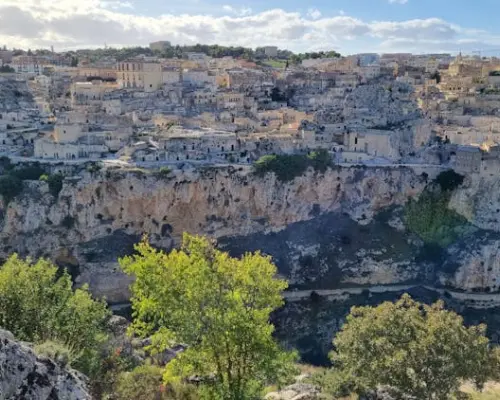
무르지아 공원(Parco della Murgia Materana)은 마테라의 고대 도시 맞은편, 마테라 협곡(Gravina di Matera)을 사이에 두고 자리 잡고 있습니다. 이 지역은 침식된 바위, 동굴, 협곡으로 이루어진 독특한 지형으로 지리적 중요성을 지닙니다. 이곳은 구석기 시대부터 인간의 거주지로 자연적인 피난처를 제공했으며, 수많은 암굴 교회(Rupestrian churches)가 있습니다. 또한 마테라의 사시 지구(Sassi districts)를 조망할 수 있는 멋진 파노라마 전망을 제공합니다.
2. 마테라 암굴 교회를 방문할 때 적절한 복장은 무엇인가요?
마테라 암굴 교회는 신성하고 역사적인 장소이므로 예의를 갖춘 복장을 하는 것이 좋습니다. 일반적으로 어깨와 무릎을 가리는 복장을 의미합니다. 엄격한 규정은 다를 수 있지만, 이 고대 예배 장소의 종교적, 문화적 중요성을 존중하기 위해 모든 방문객은 단정한 옷을 입는 것이 좋습니다. 울퉁불퉁한 지형과 자연 경로 때문에 편안한 걷기 신발도 권장됩니다.
3. 마테라 암굴 교회의 종교적 역사와 배경은 무엇인가요?
마테라 암굴 교회, 또는 암굴 교회(Rupestrian Churches)는 주로 중세 초기로 거슬러 올라가는 풍부한 종교적 역사를 가지고 있습니다. 이 교회들은 피난처나 영적 고립을 찾았던 베네딕토회 및 비잔틴 수도사들을 포함한 수도 공동체에 의해 부드러운 석회암 바위에 직접 새겨졌습니다. 이 교회들은 주로 비잔틴(정교회)뿐만 아니라 라틴(가톨릭)의 다양한 기독교 의식에 사용되었으며, 동굴 거주지 내에서의 수세기에 걸친 신앙과 예술을 반영하는 놀라운 프레스코화와 제단을 특징으로 합니다.
4. 마테라의 지하 암굴 교회에 방문객이 출입할 수 있으며, 일반적으로 어디에 위치해 있나요?
네, 마테라의 많은 지하 암굴 교회는 방문객이 출입할 수 있으며, 종종 사시 지구와 무르지아 공원 내 가이드 투어의 일부로 제공됩니다. 이 교회들은 무르지아 고원 전역과 사시 지구 내에 있는 자연적인 암석 지형에 새겨져 있습니다. 일반적으로 마테라의 풍경을 특징짓는 복잡한 동굴 시스템 안에 자리 잡고 있으며, 일부는 눈에 잘 띄고 다른 일부는 더 외진 곳에 위치하지만, 각기 고대 예배 장소에 대한 독특한 통찰력을 제공합니다.
5. 오늘날에도 마테라의 고대 동굴 주거지에 주민들이 살고 있나요?
마테라의 고대 동굴 주거지(사시)는 20세기 중반에 생활 환경의 어려움으로 인해 대부분 버려졌지만, 이후 상당수가 복원되어 현재 다시 거주하고 있습니다. 많은 곳이 독특한 호텔, 게스트하우스, 레스토랑, 상점으로 사용되고 있지만, 이 복원된 동굴 주택에 살기로 선택한 개인 거주자들도 있습니다. 이 주거지들은 이제 현대적인 편의 시설을 통합하면서도 역사적인 건축물을 보존하여 과거와 현재의 독특한 조화를 제공합니다.
6. 마테라는 걸어 다닐 수 있는 도시이며, 무르지아 공원 투어 내의 역사적인 암굴 교회는 얼마나 접근하기 쉽나요?
마테라는 사시 지구 내의 가파르고 구불구불한 골목길, 수많은 계단, 울퉁불퉁한 자갈길로 특징지어지는, 대부분 걸어 다닐 수 있는 도시입니다. 이는 이동성이 불편한 방문객에게는 어려울 수 있습니다. 무르지아 공원 내의 역사적인 암굴 교회는 종종 자연적이고 때로는 울퉁불퉁한 지형을 가로질러 걸어야 합니다. 매력적이지만, 일부 지역은 접근성이 떨어질 수 있으므로 편안하고 튼튼한 걷기 신발이 필수적입니다. 특정 투어 경로는 개인의 접근성 요구 사항에 따라 선택할 수 있습니다.
7. 무르지아 공원과 그 암굴 교회가 있는 마테라가 왜 유네스코 세계 문화유산으로 지정되었나요?
사시 지구와 무르지아 공원의 암굴 교회를 포함한 마테라는 뛰어난 보편적 가치로 인해 유네스코 세계 문화유산으로 지정되었습니다. 이곳은 구석기 시대부터 현재까지 지속적인 인간 거주를 나타내는 트로글로디테(동굴 거주) 정착지 및 생태계의 탁월한 예로 인정받고 있습니다. 이 유적지는 환경에 대한 놀라운 건축학적 적응을 보여주며, 인류 역사의 중요한 단계를 설명하는 독특한 문화적 경관을 보존하고 있습니다.
8. 마테라 암굴 교회와 무르지아 공원은 어느 역사 시대를 다루나요?
마테라 암굴 교회와 무르지아 공원은 구석기 시대부터 중세 시대를 넘어선 광범위한 인류 역사를 아우릅니다. 무르지아 공원은 선사 시대 인간 거주지의 증거를 보여주며 초기 인간의 존재를 나타냅니다. 암굴 교회 자체는 주로 6세기부터 13세기까지의 중세 초기에 수도 공동체에 의해 새겨지고 사용되었습니다. 이 지역 전체는 수천 년에 걸친 인간의 적응과 문화적 진화에 대한 연속적인 서사를 제공합니다.


