

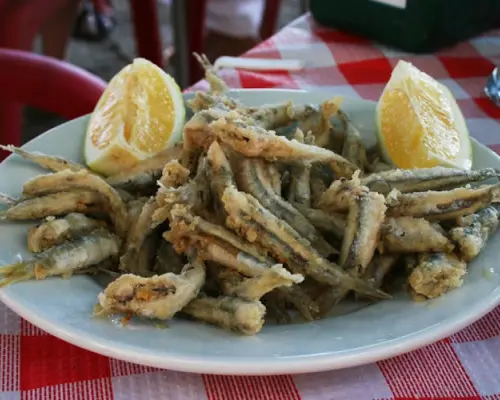


Flamenco and tapas tour in Triana
- Discover the beautiful neighborhood of Triana in Seville and taste some of the best traditional tapas. After that enjoy a flamenco show in a tablao
Package Options


Product Info
Purchase Notice
Reminders
Please refer to your voucher for final information regarding meeting points, pick-up locations, and pick-up time
Meeting point description: Please be at the meeting point 10 minutes before the start of the tour.(Tablao Flamenco Almoraima, Calle Pagés del Corro, Seville, Spain)
The consumption of alcohol for children under 18 years old is not allowed
Please, note that to confirm the language, a minimum of 4 passengers who speak the same language is needed
FAQ
1. What are the reputable flamenco show venues in Seville's Triana neighborhood?
Triana is historically significant for flamenco. Reputable venues often called 'tablaos' or 'peñas' offer intimate shows focused on authentic artistry and live music. While specific venues can vary, many establishments in Triana, particularly near Calle Pureza or the Altozano Square, host regular performances. These shows typically feature talented dancers, singers, and guitarists, providing an immersive cultural experience and a profound connection to the art form.
2. How can I find Teatro Flamenco Triana in Seville?
Teatro Flamenco Triana is situated in the heart of the Triana district, on Calle Pureza, a prominent street known for its flamenco heritage. It's easily accessible by walking from the city center across the Triana Bridge (Puente de Isabel II). You can also use public transportation, with several bus lines having stops nearby. It's a well-known cultural spot, so local directions are generally straightforward, and it's marked on most navigation apps.
3. What makes experiencing a flamenco show in Seville a unique cultural highlight?
A flamenco show in Seville offers an intense, authentic expression of Andalusian culture. It's a powerful combination of song (cante), guitar (toque), and dance (baile), often accompanied by hand-clapping (palmas) and intricate footwork. The raw emotion, passion, and improvisational nature of the performers create an unforgettable and moving experience, providing deep insight into Spain's rich artistic traditions, particularly within the historic context of Triana, where the art form flourished.
4. Which areas or streets in Seville are renowned for an authentic tapas experience?
Seville boasts several excellent areas for tapas. The Triana neighborhood itself is celebrated for its traditional bars, especially around Calle Betis and the Mercado de Triana, where you can find fresh local ingredients and classic tapas. Other popular areas include El Arenal near the bullring, Alameda de Hércules for a more modern twist, and the bustling Santa Cruz quarter with its charming, narrow streets filled with traditional taverns and vibrant local life.
5. What are the typical highlights of a traditional tapas tour in Seville?
A traditional tapas tour in Seville typically involves visiting several authentic local bars, known as 'tabernas' or 'bares de tapas'. Highlights include tasting a variety of classic Sevillian dishes, such as 'jamón ibérico', 'espinacas con garbanzos', and 'solomillo al whisky'. Tours often provide insights into the local culinary culture, the history of the dishes, and the custom of 'tapeo', where patrons move from bar to bar sampling small plates and drinks, experiencing the city like a local.
6. Is it customary to receive complimentary tapas with drinks in Seville establishments?
While complimentary tapas are a strong tradition in some other Spanish cities like Granada, it is generally not customary in Seville. Most establishments in Seville require you to order tapas separately from your drinks. However, some smaller, more traditional bars might occasionally offer a small courtesy tapa, especially with your first drink. It's always best to assume tapas are ordered à la carte unless otherwise indicated by the establishment.
7. What kind of atmosphere and performances can I expect at a flamenco tablao in Triana?
In a flamenco tablao in Triana, you can expect an intimate and intense atmosphere. The focus is entirely on the performance, often in a small setting that allows for a strong connection between artists and audience. Performances typically feature a 'cuadro flamenco' (group) with a singer, guitarist, and one or more dancers. The raw emotion, improvisational elements, and powerful expressions of 'duende' (a heightened state of passion) are central to the experience, making each show unique.
8. What distinguishes traditional Sevillian tapas from other Spanish regional varieties?
Traditional Sevillian tapas are characterized by their strong Andalusian flavors and use of fresh, local ingredients. Unlike some regions that offer more modern or experimental tapas, Seville prides itself on classic dishes like 'pescaíto frito' (fried fish), 'pringa' (stewed meats), and various cold soups like 'gazpacho' or 'salmorejo'. They often reflect the city's rich history, blending Moorish and Mediterranean influences, making them distinctively rich, hearty, and flavorful.


