


Seorak Mountain, Snow Wondae-ri Birch Forest, Maebawi Icewall Winter DayTour from Seoul
- Experience Korea’s magical winter wonderland – Witness breathtaking snowy landscapes as Seorak Mountain and Wondae-ri Birch Forest transform into a serene white paradise.
- Hassle-free travel with a Chinese/Korean guide – Skip the complicated public transportation; enjoy a smooth, comfortable ride and expert guidance throughout your journey.
- Walk through a dreamy snow-covered birch forest – Immerse yourself in the tranquil beauty of endless white birch trees blanketed in pristine snow.
Sightseeing Tours
| Transportation method | Transfer from meeting point |
| Tour types | Guided tour |
| Meal arrangement | Arrange yourself |
| Seasonal | Winter Snow Exclusive |
| Sightseeing type | Natural sights, Beachcombing, Hiking |
| Transport | Bus tour |
Product Info
< Seorak Mountain >
Seorak Mountain is one of Korea’s most iconic peaks, offering stunning winter views covered in snow and ice. During the cold season, its dramatic cliffs and frozen streams create a breathtaking landscape perfect for photography.
< Wondae-ri Birch Forest >
Wondae-ri Birch Forest is a dreamy winter destination, where tall, slender birch trees stand gracefully in a blanket of pure white snow. This magical scene is ideal for peaceful walks and capturing unforgettable winter photos.
< Maebawi Icewall >
Maebawi Icewall is a majestic natural ice formation, towering high with massive frozen layers in dazzling shades of blue and white. It’s a unique winter wonder that showcases the raw beauty of Korea’s cold season.
-Itinerary-
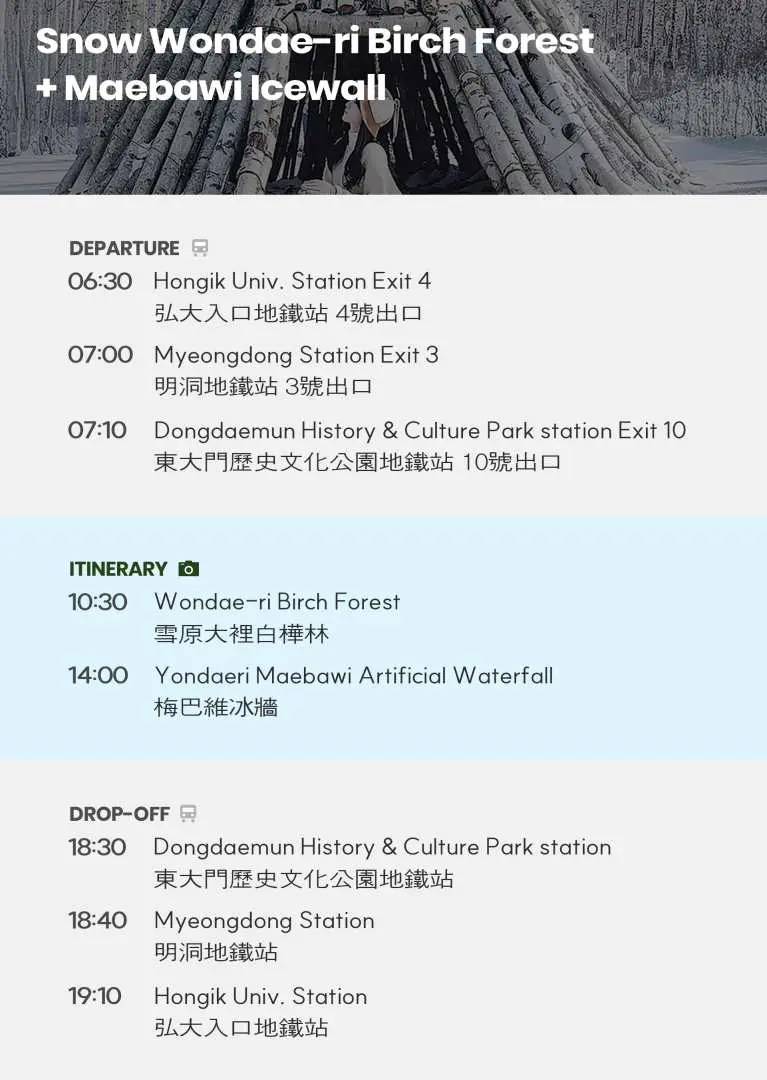
[Winter] Snow Wondae-ri Birch Forest + Maebawi Icewall
06:30 Hongik Univ. Station Exit 4 (Pick-up)
07:00 Myeongdong Station Exit 3 (Pick-up)
07:10 Dongdaemun History & Culture Park station Exit 10 (Pick-up)
10:30 Arrive at Wondae-ri Birch Forest (3hours)
14:00 Arrive at Yondaeri Maebawi Artificial Waterfall (1hours 30mins)
15:30 Return to Seoul
18:30 Dongdaemun History & Culture Park Station (Drop-off)
18:40 Myeongdong Station (Drop-off)
19:10 Hongik Univ. Station (Drop-off)
[Winter] Snowy Mt.Seorak + Maebawi Icewall "06:30 Hongik Univ. Station Exit 4 (Pick-up)
07:00 Myeongdong Station Exit 3 (Pick-up)
07:10 Dongdaemun History & Culture Park station Exit 10 (Pick-up)
10:30 Arrive at Mt.Seorak (3hours 30mins)
14:30 Arrive at Yondaeri Maebawi Artificial Waterfall (1hour)
15:30 Return to Seoul
18:30 Dongdaemun History & Culture Park Station (Drop-off)
18:40 Myeongdong Station (Drop-off)
19:10 Hongik Univ. Station (Drop-off)
Wondae-ri Birch Forest is a dreamy winter spot with elegant birch trees in white snow.
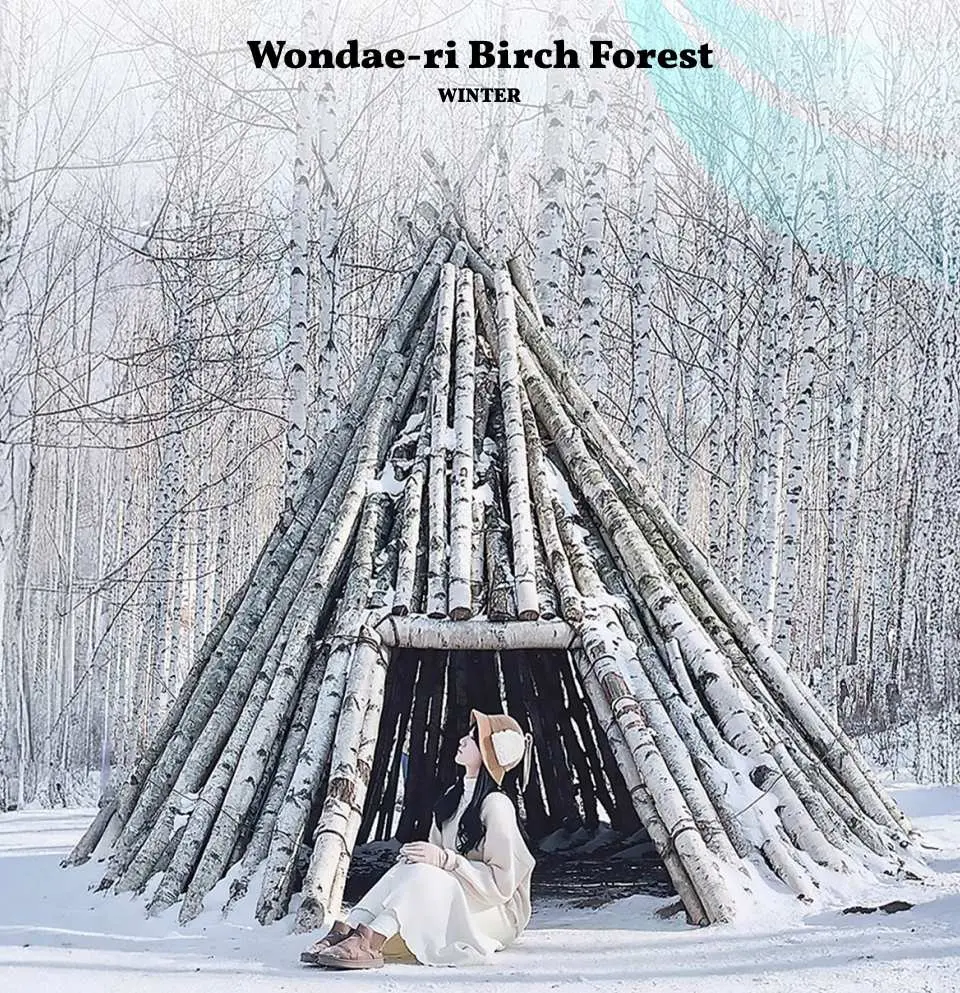
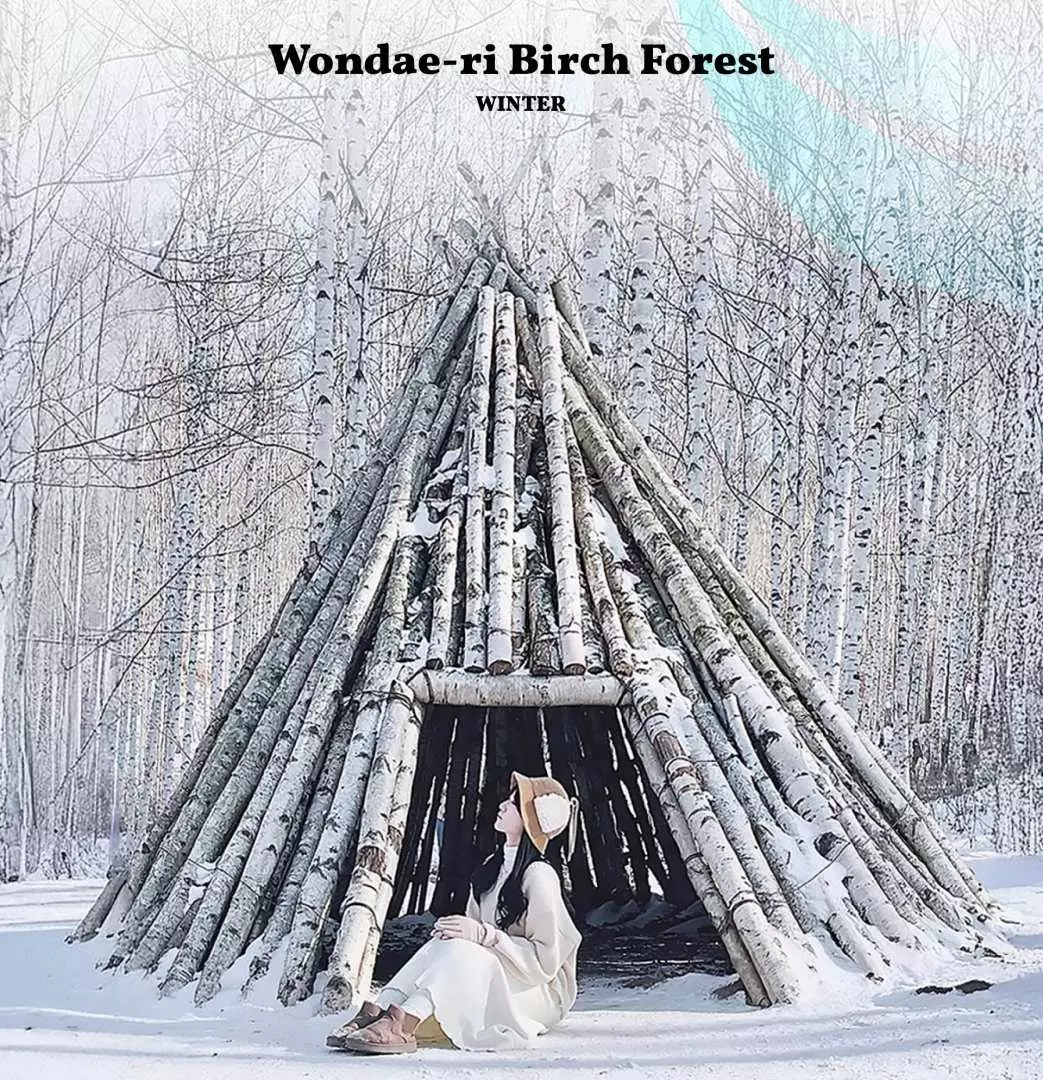
A peaceful forest walk surrounded by endless snow-covered birch trees.


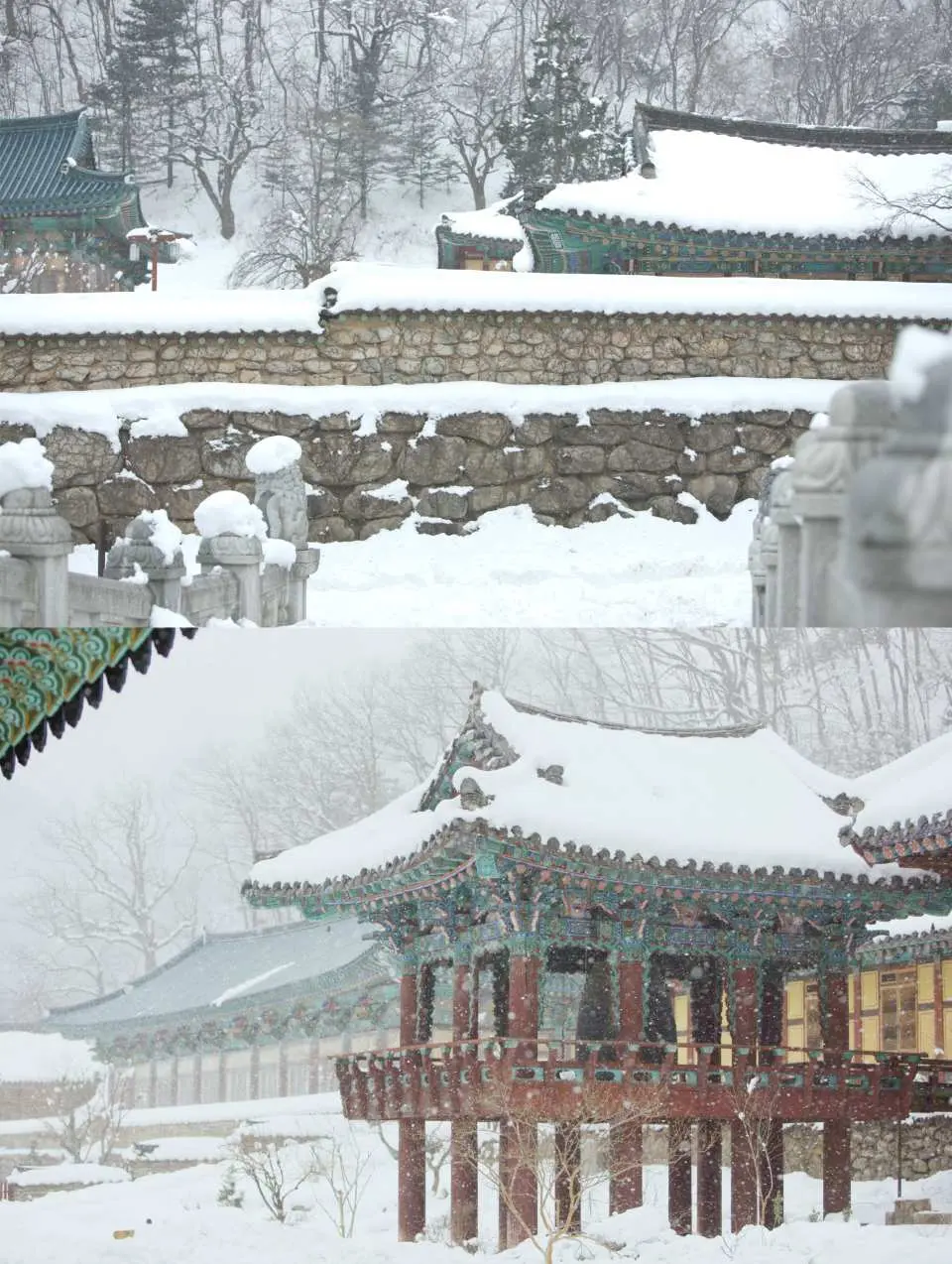
Seorak Mountain transforms into a breathtaking snowy wonderland each


Snow-covered peaks and frozen waterfalls create unforgettable winter scenery.


Maebawi Icewall towers high with dazzling layers of blue and white ice.

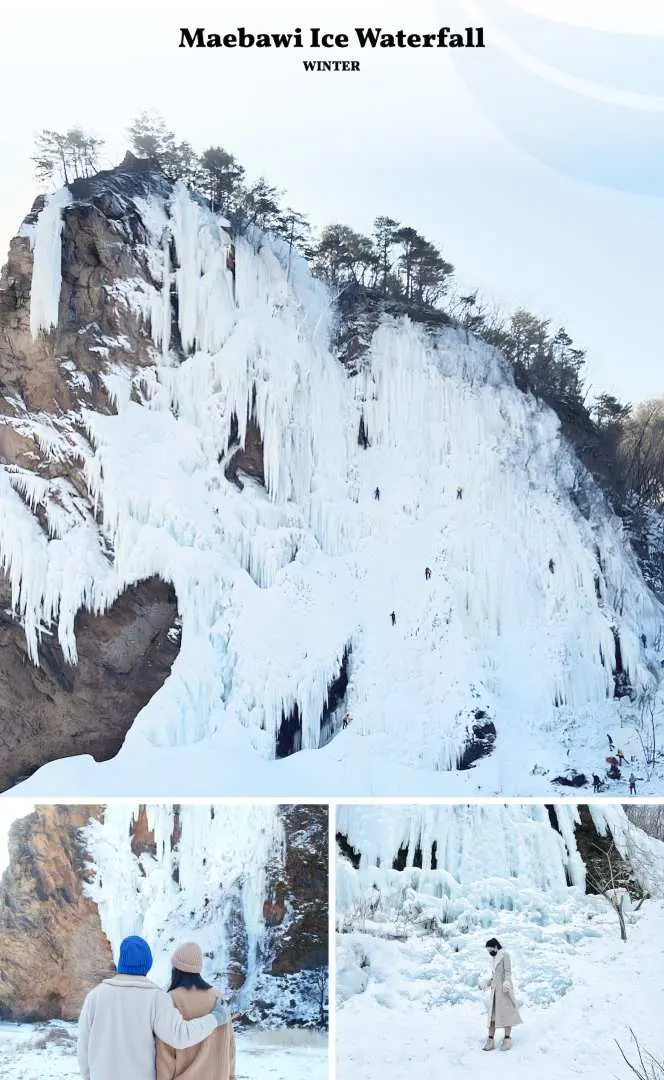
A rare winter spectacle showcasing the raw beauty of frozen nature.




Purchase Notice
- When booking, please provide your ID for a messaging app (KakaoTalk, WhatsApp, Viber, etc.). We are not liable for communication issues via LINE due to recent restrictions on adding foreign accounts.
- Tour vehicles are assigned based on group size. For small groups, strollers, wheelchairs, and suitcases are not allowed.
- Vehicle type will be confirmed 2–3 days before departure — please check closer to the date if you wish to bring items above.
- Children aged 0 to 2 may join free of charge, provided that they do not occupy separate seats during the tour.
- Passengers who wish to take the cable car at Seoraksan can purchase tickets on site. Please note that tickets may be sold on site, subject to availability, and may be suspended due to maintenance or weather.
- Winter in Korea, especially in Gangwon Province, can be chilly for those unaccustomed to cold climates. We recommend wearing warm clothes, gloves, thick socks, and snow boots or crampons for the hike
Reminders
A minimum of 4 traveler(s) are required for the tour to depart. If the number of participants does not reach the minimum requirement, the tour will be canceled. An email regarding tour cancellation will be sent 1 day(s) before the departure date
In the event of inclement weather such as typhoons or snowstorms, a decision on whether to cancel the tour will be made 1 day(s) before departure (local time 00:00). Notifications will then be sent via email
Please arrive at the designated location 10 minute(s) before the scheduled departure time, as the tour will depart on time
🕐 As the vehicle will be depart on time, refunds will not be granted for late arrivals or no‑shows.
⚠️All the itineraries of our company do not include personal travel insurance. There are certain risks and dangers in outdoor activities. Guests must evaluate their own health or ability.The company will not be responsible for any physical damage or casualty caused by accidents or unpredictable factors.
🍼 Infants under 3 years old may ride accompanied by a guardian. In this case, a seat, admission ticket, and meals are not included. Please present a valid ID for age verification on the day of departure.
🛣️Actual itinerary depends on weather/transportation conditions.
❄️ [Winter Option Only] On snowy days, it is mandatory to wear crampons for safety when entering the mountain. Guests should either bring their own crampons or rent them on-site (rental fee: 5,000 KRW).
Cancellation Policy
- Cancellations 2 day(s) (inclusive) before the selected date are allowed. Unused orders can be canceled for free
- Cancellation is not allowed between 0–1 days from the selected date. Orders cannot be canceled or modified, and refunds will not be granted.
- Due to time zone differences, the confirmed cancellation date is based on the supplier’s local time. Please allow 2–5 business days to process your cancellation request, after which the cancellation fee will be charged according to the product’s cancellation policy. Once the cancellation is confirmed, you will receive your refund within 14 working days.
FAQ
Hiking durations on Seorak Mountain vary widely depending on the chosen trail and fitness level. For a general visit, trails around the entrance, like the path to Sinheungsa Temple or Biseondae Rock, can take 1-3 hours round trip. More challenging routes to peaks such as Ulsanbawi or Daecheongbong can require 6-10 hours or even an overnight stay. During winter, some higher trails may be restricted or require specialized equipment, so it's advisable to check park conditions before planning an extensive hike.
The approximate travel time from Seoul to Seorak Mountain is typically around 2.5 to 3.5 hours by car or bus, depending on traffic conditions and the specific drop-off point. Direct bus services from major Seoul terminals like Dongseoul Bus Terminal or Express Bus Terminal to Sokcho (the nearest city) are available. From Sokcho, it's a short local bus or taxi ride to the mountain's entrance. Organized day tours from Seoul often provide comfortable, hassle-free transportation directly to the mountain area.
Yes, the Seorak Mountain cable car generally operates during winter, offering stunning panoramic views without extensive hiking. However, its operation is highly dependent on weather conditions, and it may close due to strong winds, heavy snow, or other safety concerns. Typical operating hours are from around 9:00 AM to 5:00 PM, but these can be adjusted seasonally or based on park management decisions. It's recommended to check the official operating status on the day of your visit, especially during inclement winter weather.
In winter, the Wondae-ri Birch Forest transforms into a magical, serene white paradise. Visitors can walk through vast expanses of snow-covered white birch trees, creating a picturesque and tranquil atmosphere perfect for photography and quiet contemplation. The crisp winter air and the striking contrast of the white trees against the snow make for a unique and immersive nature experience. It's an ideal spot for enjoying Korea's seasonal beauty and escaping the city bustle.
The Maebawi Icewall is a striking natural phenomenon that forms only during the coldest winter months. As water from the mountain's streams freezes, it creates a massive, gleaming wall of ice, often adorned with impressive icicles and intricate frozen patterns. Its sheer size and the way it reflects light make it a dramatic and visually captivating sight. For visitors seeking to witness the raw beauty of winter landscapes, the Maebawi Icewall offers a truly unique and memorable experience.
For exploring the area around Seorak Mountain, particularly the nearby city of Sokcho, visitors can utilize local buses or taxis. Public buses connect the mountain's entrance with Sokcho city center, the bus terminals, and other local attractions. Taxis are also readily available and offer a convenient option for shorter distances or direct routes. While T-money cards are widely used in South Korea, it's advisable to confirm their acceptance on specific local bus routes or with taxi drivers in the Sokcho area.
The name 'Seorak' (설악) literally translates to 'Snowy Peak' or 'Snow Mountain' in Korean. This name aptly describes the mountain's prominent feature: its peaks are often capped with snow for a significant portion of the year, particularly from late autumn through spring. The majestic snowy landscapes and rugged terrain are key characteristics that have given the mountain its evocative name, making it a popular destination, especially during winter.
Seorak Mountain is located in the northeastern part of South Korea, primarily within Gangwon Province. It is a major mountain in the Taebaek mountain range and is designated as Seoraksan National Park. The mountain's eastern side is close to the city of Sokcho, which serves as a common gateway for visitors. Its proximity to the East Sea coast offers a diverse natural environment, blending mountain and coastal scenery.
Get Help


