


商品说明
此商品文案由机器翻译提供,相关用语可能与惯用论述、原文内容有所差异,请知悉。
— 您可以期待什么 —
踏上这个迷人的日落之旅,前往卡塔丘塔(也称为奥尔加斯)欣赏令人惊叹的红色圆顶岩石。这些岩层被认为曾经是一块巨大的岩石,经过数百万年的风化,形成一系列迷人的独立形状,就像乌鲁鲁一样。
随着夜幕降临,圆顶随着夕阳不断变化的颜色而跟着变化色调,每一分钟都展现出独一无二的自然美景。
— 重要信息 —
- 此体验不包括卡塔丘塔国家公园的门票。建议乘客提前购买门票,并在上车时向司机出示。卡塔丘塔国家公园的门票可以从国家公园网站购买
- 冬季日落后会天气迅速降温,因此建议带上外套并穿保暖的衣服
- 接载地点如下:Sails in the Desert(酒店前面)、Ayers Rock Campground(在大路巴士站集合)、Outback Hotel(酒店前面)和 Desert Gardens(酒店前面)。临时接载信息可在此处查看
- 请注意,接载时间和地点均为预计,全年可能会根据运营时间表而有所不同。乘客必须在出发前 48 - 72 小时致电 1300 228 546 联系 AAT Kings,以确认最终接载时间和地点
享受悠闲的驾车前往卡塔丘塔,并从您的司机导游那里了解该地区的地质和文化历史


惊叹于独特的植物群,欣赏圆顶中央山谷的景色

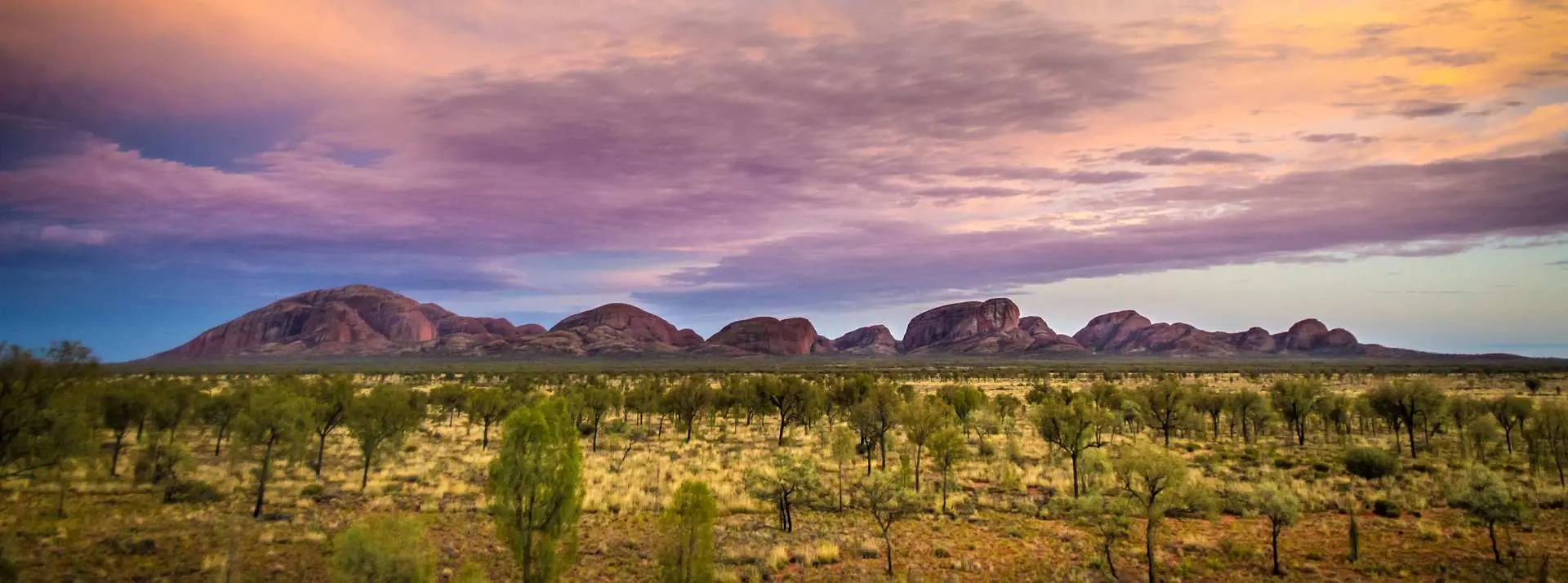
享用开胃小食和澳大利亚葡萄酒,欣赏美丽的日落


购买须知
- 18岁以下严禁饮酒
- 过量饮酒有害健康
- KKday 不对旅行社提供的现场活动负责。如果您有任何问题或疑虑,请直接联系旅行社
- 体能要求:初级体能水平
— 需要带些什么 —
- 在寒冷的月份请携带保暖衣物
- 封闭式步行鞋
- 夏季使用的Flynet(可选)
注意事项
请务必于 10 分钟前抵达指定地点,为避免耽误之后行程,逾时不候。
不想参观行程中所有景点的旅客将不予退款
未使用的包含项目不可退款且不可转让
强烈建议所有客人购买涵盖所有适用旅行日期的旅行保险
旅行社保留因不可预见的情况取消行程的权利
行程如有紧急情况,请联系+61 29028 5180
取消政策
- 所选日期 3 天(含)之前取消,未使用可免费取消
- 所选日期 2 ~ 2 天之间取消,收取手续费 50%
- 所选日期 0 ~ 1 天之间取消,不可取消、更改订单,亦不得请求退款
- 由于站内商品来自全球各地,订单取消时间将依该供应商所在时区判定。供应商需 2-5 个工作天进行取消流程,依照您购买的商品取消政策收取手续费,并于取消流程完成后14 个工作天内退款。
常问问题
卡塔丘塔,意为“许多头”,以其壮观的红褐色沉积岩圆顶而闻名。与乌鲁鲁(Uluru)作为单个巨石不同,卡塔丘塔由36个集块岩圆顶组成,占地21平方公里。它独特的地质构造,经过数百万年的侵蚀形成,创造出拥有深邃峡谷的令人惊叹的景观,为安南古人(Anangu people)提供了融合了古老文化意义的地质和精神体验。
卡塔丘塔提供两条主要的步道。瓦尔帕峡谷步道(Walpa Gorge Walk)是一条较短、较易的路线,往返约2.6公里,通常需要1小时。它通往两个最大圆顶之间狭窄的峡谷。风之谷步道(Valley of the Winds Walk)更具挑战性,设有两个观景点:卡鲁观景点(Karu Lookout,往返2.2公里,1小时)和卡林加纳观景点(Karingana Lookout,往返5.4公里,2.5-3小时)。这条步道可俯瞰圆顶和周围景观的壮丽全景。
虽然乌鲁鲁因其单一、突出的巨石而被认为更大,但卡塔丘塔的实际占地面积更大,周长也更长。乌鲁鲁是单一的砂岩巨石,而卡塔丘塔是36个圆顶岩石的集合。卡塔丘塔最高的圆顶——奥尔加山(Mount Olga)实际上比乌鲁鲁更高。两者都非常巨大,但卡塔丘塔绵延的圆顶群提供了与乌鲁鲁的孤立存在截然不同的独特壮丽景观。
卡塔丘塔是安南古原住民(这片土地的传统守护者)极其重要的文化和精神圣地。它在他们的Tjukurpa(创世故事、法律和道德体系)中扮演着核心角色。卡塔丘塔内的许多区域被认为是高度神圣的,特别是与男性事务相关的区域,出于对安南古传统的极大尊重,某些区域的进入受到限制。我们鼓励游客遵守标记的步道,并尊重这片景观的精神重要性。
在卡塔丘塔欣赏日落是一次难忘的亮点。指定的日落观赏区提供壮观的全景,让您能亲眼目睹岩石圆顶在夕阳西下时,呈现出令人惊叹的红色、橙色和紫色色调变化。强烈建议您在日落前抵达,以占据最佳观赏位置,并观察色彩逐渐而迷人的变化。许多旅行团会专门设计行程,以最大化地体验这一自然奇观,提供便捷的交通和绝佳的观赏地点。
在卡塔丘塔,游客可以在瓦尔帕峡谷步道和风之谷步道的起点找到便利的停车场。还有专门的观景台可供欣赏日出和日落。主停车场区域设有洗手间。请注意,卡塔丘塔内部没有商店、咖啡馆或永久性的饮用水补充站。因此,游客应自带饮用水和任何必需品。最近的游客服务中心位于艾尔斯岩度假村(Ayers Rock Resort)。
卡塔丘塔独特的圆顶由集块岩构成,这是一种由沙子和泥土粘合在一起的卵石、鹅卵石和巨石的迷人混合物。这种古老的岩石在5亿多年前沉积,随后经过数百万年的强大风力和水力作用被抬升、倾斜和深度侵蚀。较软的物质逐渐风化剥落,留下了今天可见的、更坚硬、更具抗性的圆顶。这一漫长的地质过程造就了其目前独特、球状且深深凹槽的外观,展示了自然侵蚀的 striking 范例。
参加半日卡塔丘塔游览,携带充足的水至关重要,尤其是在温暖的月份,因为在内陆地区保持水分是首要任务。请穿着舒适、结实的徒步鞋,适合不平坦的地形。防晒措施非常重要;请携带宽边帽、太阳镜和高SPF防晒霜。强烈建议携带相机,以捕捉壮丽且不断变化的景色。根据季节,一件轻便夹克或额外的衣物可能有助于在日落后较冷的夜晚保暖。
寻求协助


