
앱 다운로드
상품 번호 #118199


상품 설명
ー 쿠폰 취급점포 ー
- 아래의 NO.1~5 중 좋아하는 것을 3 개까지 선택할 수 있습니다.
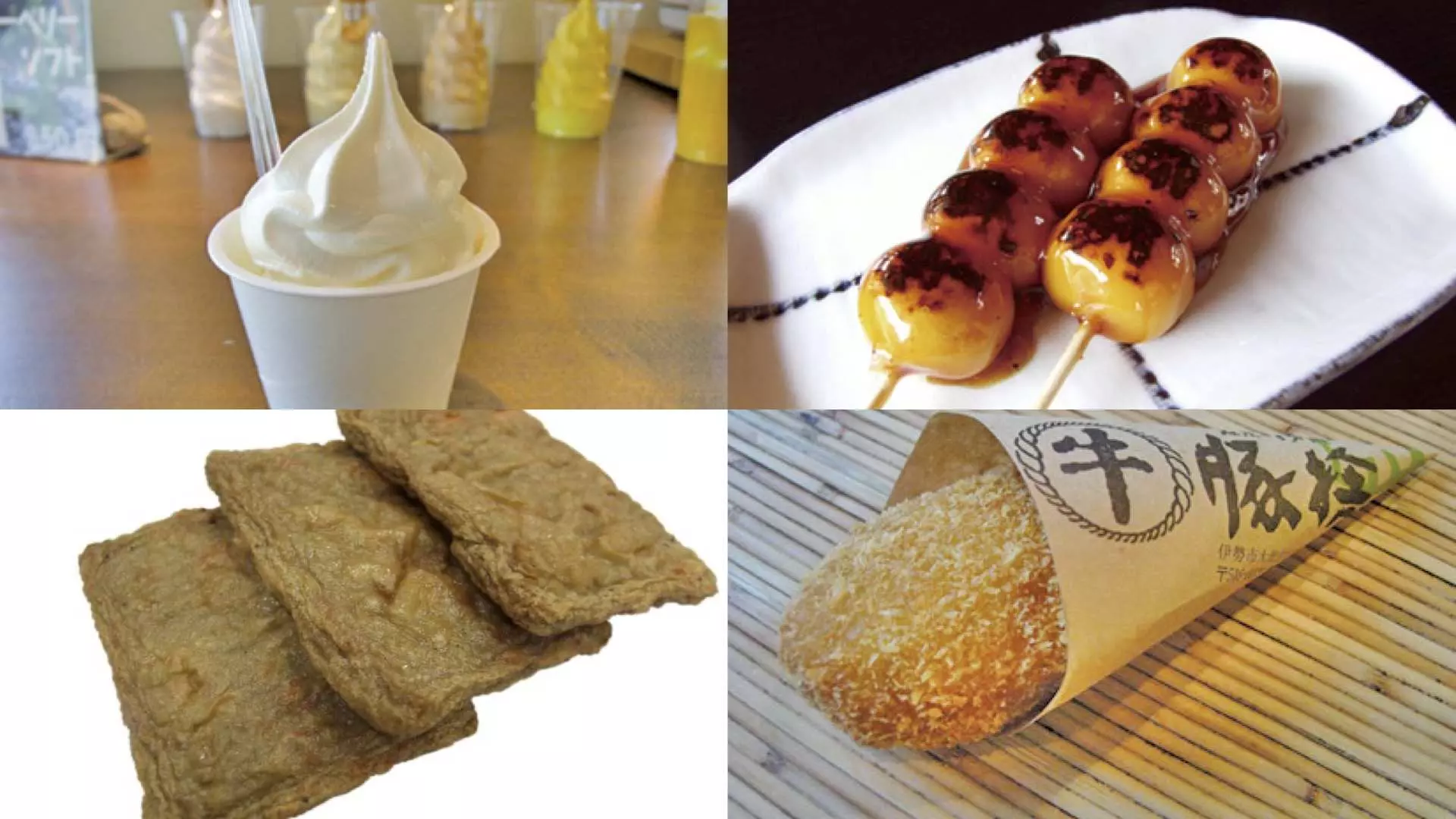
- 돼지고기 가게: 갓 튀긴 고로케 1개
- 단고 가게:미타라시 당고 1개
- 요코초야키의 가게:미니 소프트 크림 1개 또는 요코초-판쥬(4월1일부터)
- 덴베에 : 오이 스틱 1개 (3월 3일부터)
- 와카마츠야 : 자코페텐 1장
- 아래의 내용을 개수 재한 없이 사용할 수 있습니다.
- 오카게 좌 : 입장 무료 대응 오카게좌 입장은 오전 10시 ~입니다.
- 챠보 타스케앙 : 청량 음료 1 잔
- 세노쿠니야: 기념품・식사 할인 5%
- 장소 소개 -
- 이세진구 현지 쪽으로부터 「오이세상」이라고 불려, 옛부터 일본인의 마음의 고향으로서 사랑받아 온 이세진구. 이세 신궁은 하나의 신사가 아니고, 황대신궁(코타이진구) 「내궁」(나이쿠우)과 도요테이 오신궁(토요케다이진구) 「외궁」(게쿠우)를 중심으로 했다 125사의 궁과 회사의 총칭으로 정식으로는 「신궁」이라고 합니다.
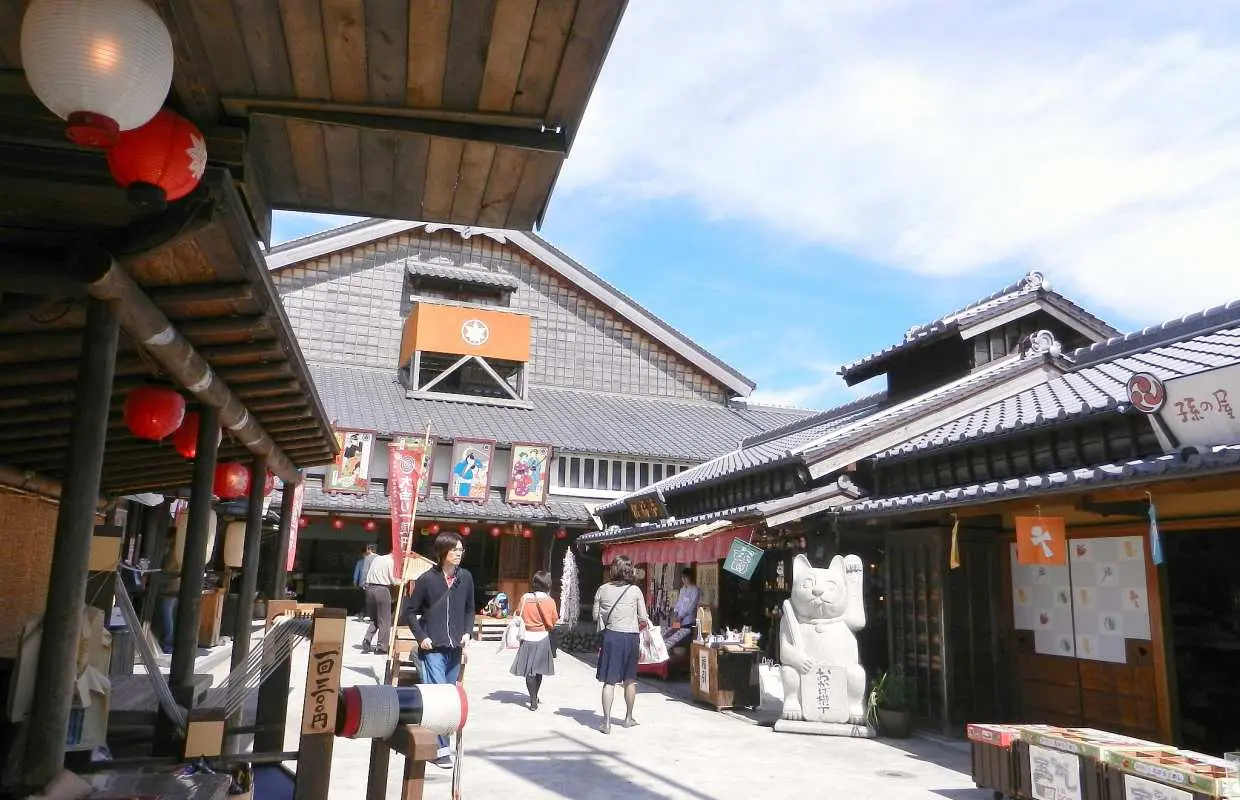
순로:이세역→외궁→내궁→오하라이마치&오카게 요코쵸【이세참배】의 순서는, 이쪽 을 참고 부탁드립니다. - 오하라이 마치 & 덕분에 요코쵸 이세신궁·내궁 앞에서 번성하는 “오하라이 마치”우지바시에서 이주 스즈카와를 따라 이어지는 약 800 m의 아름다운 조약돌 거리에는, 이세상 특유의 합각머리· 팔작집 지붕・처마 지붕 양식의 거리가 줄 서 있습니다. 거리에는 많은 기념품점·음식점이나 상가가 있어 참배 후의 마을 산책을 즐길 수 있습니다. 또, 신궁 도장이나 구 경광원 객전등의 역사적 건조물등도 있어, 이세상 다운 레트로한 분위기가 듬뿍 담겨 있습니다. 오하라이 마을의 중정, 아카후쿠 본점 앞 근처의 요코초 일화가 「오카게 요코초」. 에도기부터 메이지기에 이세지의 대표적인 건축물이 이축·재현되고 있어 마치 에도시대에 타임 슬립한 것 같습니다.
오하라이 마치 오카게 요코쵸 주변지도


에도 시대에 타임 슬립 한 것 같은 정취있는 거리 풍경을 즐길 수 있습니다.


걸으면서 먹으면 더욱 즐겁습니다!

유의사항
- 본권은, 다른 할인 내용등과의 병용, 중복으로의 이용은 할 수 없습니다.
- 고객의 미사용 쿠폰 분은 환불할 수 없으므로 미리 양해 부탁드립니다.
포함/불포함
- 소비세
- 이세신궁내궁 앞 주변 만끽 쿠폰
- 개인 경비
- 언급되지 않은 소비
유의사항
본권은, 다른 할인 내용등과의 병용, 중복의이용은 불가합니다.
고객의 미사용 쿠폰 분은 환불할 수 없으므로 미리 양해 부탁드립니다.
쿠폰권 이용 시간은 오전9시30 분 - 오후4시30분까지(일부 점포는 오후4시까지입니다.)
오카게좌의 입장은 오전10시~입니다.
일부 점포는 사전 통지 없이 특정일에 문을 닫을 수 있습니다.
교환 장소
교환 가능
세노쿠니야
주소: 〒516-0024 미에현 이세시 우지이마자이케쵸 117
교통안내
1.쿠폰권 이용 시간은 오전9시30분- 오후4시30분 까지(일부 점포는 오후 4시까지입니다.) 2.내궁 관광 버스 주차장에서 가장 가까운 가게입니다. 내궁 관광 버스 주차장 바로 옆, 우지바시에서 도보 1분 거리에 있습니다.
운영 시간
월요일 09:30 - 16:30
화요일 09:30 - 16:30
수요일 09:30 - 16:30
목요일 09:30 - 16:30
금요일 09:30 - 16:30
토요일 09:30 - 16:30
일요일 09:30 - 16:30
전화번호
81 0596-23-5555

바우처 정보
바우처 이용방법
- 이메일로 전자바우처를 발송해드립니다. 바우처를 출력하신 후 지정된 장소에서 실물 티켓으로 교환해주세요.
교환 장소에 종이 바우처를 제시해 주세요.
사용기한
- 예약 시 선택한 날짜 및 당일 운영 시간 내에 사용해주시고,유효기간이 지나면 무효가 됩니다
취소 규정
- 무료 취소
참고
- 취소 요청 확인 날짜는 공급업체의 현지 시간을 따릅니다. 취소 요청 확인에는 영업일 기준 2-5일 정도 소요되며, 취소 규정에 따라 취소 수수료가 부과될 수 있습니다. 취소가 확정되면 14 영업일 이내에 환불받으실 수 있습니다.
도움을 받기


