

Canyon
Antelope Canyon is a famous natural landscape located in Arizona. It is famous for its spectacular beams and unique topography. The best time to visit is from mid-March to early October, especially at noon in summer when the beam effects are best. Flat and easy terrain suitable for all ages, suitable for families and photography enthusiasts.


10 Aktiviti Teratas di Canyon


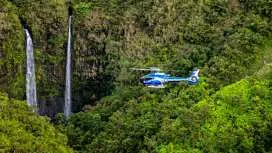


CanyonKategori Produk & Pengalaman Pelancongan Popular





Aktiviti Popular di Canyon


Canyon cuaca, iklim dan musim perjalanan terbaik
Sumber data: Meteostat・Tarikh dikemas kini: 2025-09
Canyon iklim sepanjang tahun
Spring (March–May): Average 9.7–20.2°C, mild climate, rainfall gradually increases, with heavier rainfall in May. Common activities: Hiking, viewing spring wildflowers. Recommended clothing: Light jacket, long-sleeved shirts; rain gear may be needed in May.
Summer (June–August): Average 25.1–28.0°C, hot and dry, with the most rainfall in June, decreasing thereafter. Common activities: Canyon exploration, camping, swimming (if facilities are available). Recommended clothing: Lightweight and breathable clothing, hat, sunglasses, sunscreen.
Autumn (September–November): Average 17.0–23.7°C, pleasant climate, with less rainfall. Common activities: Hiking, viewing autumn leaves (if applicable), photography. Recommended clothing: Long-sleeved shirts, light jacket; temperature difference between morning and evening is significant, so pay attention to keeping warm.
Winter (December–February): Average 3.1–6.2°C, cold and dry, with little rainfall. Common activities: Winter hiking (pay attention to keeping warm), stargazing. Recommended clothing: Warm jacket, hat, gloves, scarf.
Canyon purata iklim
Annual average temperature: approx. 15.8°C / Annual rainfall: approx. 468 mm / Summer humidity: 30%–40% / Rainiest month: June
Suhu purata dan kerpasan bulan Canyon
| Bulan | Januari | Februari | Mac | April | Mei | Jun | Julai | Ogos | September | Oktober | November | Disember |
|---|---|---|---|---|---|---|---|---|---|---|---|---|
| Suhu | 3.1°C | 5.6°C | 9.7°C | 14.8°C | 20.2°C | 25.1°C | 28°C | 27.4°C | 23.7°C | 17°C | 8.9°C | 6.2°C |
| Curahan hujan (mm) | 13.7 | 8.7 | 18.3 | 27.7 | 88.3 | 98.3 | 55.7 | 33.7 | 23 | 27.7 | 57 | 16.3 |
Cuaca Canyon untuk tujuh hari akan datang
| Tarikh | 11/6Jumaat | 11/7Sabtu | 11/8Ahad | 11/9Isnin | 11/10Selasa | 11/11Rabu | 11/12Khamis |
|---|---|---|---|---|---|---|---|
| Cuaca |  Overcast | Overcast |  Sunny | Sunny | Sunny |  Partly Cloudy | Sunny |
| Tertinggi | 15.3°C | 16°C | 18.6°C | 19.9°C | 20.7°C | 18.4°C | 18.6°C |
| Terendah | 4°C | 4.2°C | 5.1°C | 6.2°C | 7.8°C | 7.7°C | 6.6°C |


