


【Tiongkok】Tur Sehari Penuh Taman Rakyat Suzhou + Kuil Hanshan + Pemandangan Jembatan Feng + Jalan Shantang | Berangkat dari Shanghai
- Temukan kesenangan murni tanpa trik, satu hari menjelajahi semua tempat paling penting di Suzhou
- Pilih kendaraan pribadi berkualitas premium, perjalanan lancar, layanan pemandu yang ramah dengan senyuman
- Menikmati pemandangan Kuil Hanshan yang terkenal dalam puisi Tang, serta karya perwakilan taman bergaya Jiangnan yang unik
Pilih paket


Tur wisata
| Jenis tur | Tur bersama |
| Metode transportasi | Antar-jemput dari titik temu |
| Jenis tur | Tur berpemandu |
| Jenis wisata | Pemandangan alam, Tur jalan kaki kota, Kuil & tempat suci |
| Transportasi | Tur bus |
Info produk
Konten produk ini disediakan melalui terjemahan mesin dan mungkin tidak mencerminkan informasi sebenarnya. Mohon pertimbangkan hal ini sebelum melakukan pemesanan.
- Pengenalan Rute -
07:30 Titik kumpul: Berkumpul di Pintu Keluar 8 Stasiun Metro People's Square Shanghai (seberang Shanghai International Hotel) Durasi: Sekitar 20 menit 07:50
Transportasi: Naik bus ke Suzhou Naik bus ke Fasilitas Taman Zhuozheng Suzhou Waktu tempuh: Sekitar 2 jam 10 menit
10:00 Aktivitas & Atraksi: Mengunjungi 【Taman Zhuozheng】 (Tiket masuk sudah termasuk, headphone dibayar terpisah, waktu kunjungan sekitar 90 menit) Waktu aktivitas: Sekitar 2 jam
12:00 Naik bus ke tempat makan Waktu tempuh: Sekitar 30 menit
12:30 Makan siang mandiri Waktu makan: Sekitar 1 jam
13:30 Naik bus ke tempat transportasi Waktu tempuh: Sekitar 20 menit
13:50 Aktivitas & Atraksi: Mengunjungi 【Kuil Hanshan】 (Tiket masuk sudah termasuk, waktu kunjungan sekitar 1 jam) atau 【Area Pemandangan Jembatan Feng】 (Masuk gratis) Waktu aktivitas: Sekitar 1 jam
14:50 Naik bus ke Jalan Shantang Waktu tempuh: Sekitar 20 menit
15:10 Aktivitas & Atraksi: Mengunjungi jalan kuno nomor satu Suzhou 【Jalan Shantang】 (Gratis) Waktu aktivitas: Sekitar 1 jam
16:10 Naik bus ke Stasiun Kereta Suzhou Waktu tempuh: Sekitar 30 menit
17:30 Bubarkan di tempat setelah tur berakhir: Akhiri tur secara mandiri di Alun-alun Utara Stasiun Suzhou, Distrik Gusu, Kota Suzhou, untuk mengakhiri dengan sempurna.
18:00 Kembali ke lokasi yang ditentukan: Alun-alun Rakyat Shanghai Waktu tempuh: Sekitar 2 jam
*Waktu rute di atas hanya untuk referensi. Jika ada hari libur, waktu dapat berubah karena kondisi cuaca, kondisi jalan, dan faktor lain, tunduk pada pengaturan pemandu wisata pada hari itu.
- Pengenalan Tempat Wisata -
【Taman Zhuozheng】
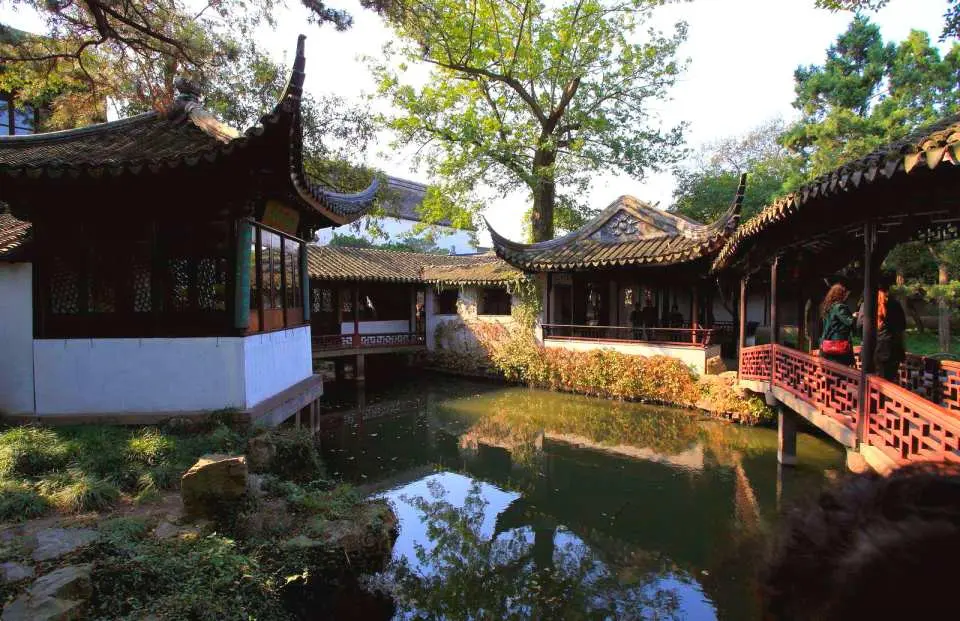
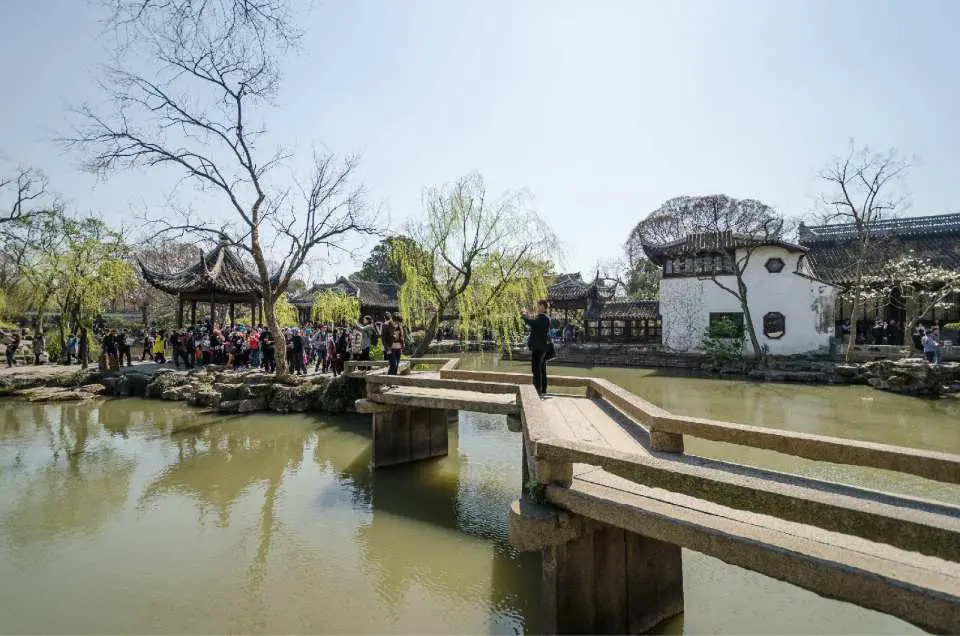
Taman Zhuozheng adalah salah satu dari empat taman kuno terkenal di Suzhou, dan juga merupakan taman terbesar dan paling terkenal di Suzhou. Taman ini terdaftar dalam "Daftar Warisan Budaya Dunia" dan dapat disebut sebagai klasik taman pribadi Tiongkok. Taman Zhuozheng adalah perwakilan dari taman selatan. Seluruh taman berpusat pada air, dengan pegunungan dan air yang berkelok-kelok, paviliun yang indah, dan tanaman yang rimbun, penuh dengan puisi dan lukisan, serta memiliki ciri khas daerah air Jiangnan yang kental. Taman ini dibagi menjadi tiga bagian: timur, tengah, dan barat. Taman timur luas dan terbuka, taman tengah adalah inti dari seluruh taman, dan taman barat memiliki bangunan yang indah, masing-masing dengan gayanya sendiri. Di selatan taman terdapat area perumahan, yang mencerminkan tata letak khas rumah-rumah penduduk Jiangnan dengan banyak halaman. Museum Taman Suzhou juga dibangun di selatan taman, yang merupakan satu-satunya museum khusus taman di Tiongkok. Seni membangun Taman Zhuozheng unggul dalam air, alami dan elegan, dengan halaman yang tersebar, dan tanaman yang indah. Pemandangan utama yang dapat dikunjungi antara lain Aula Lanxue, Paviliun Hanqing, Taman Bonsai, dan banyak lagi. Berjalan-jalan di Taman Zhuozheng, Anda pasti akan mengagumi kedalaman dan keluasan seni taman klasik Tiongkok!
【Kuil Hanshan】
Kuil Hanshan terletak di Distrik Gusu, Kota Suzhou. Nama aslinya adalah "Biara Miaolipu Ming", termasuk sekte Linji dari Buddhisme Zen. Selama Dinasti Tang, biksu terkenal Hanshan dan Xiqian mendirikan Kuil Hanshan. Dalam lebih dari 1000 tahun, Kuil Hanshan telah hancur karena api sebanyak 5 kali (ada yang mengatakan 7 kali), dan pembangunan kembali terakhir dilakukan pada masa pemerintahan Kaisar Guangxu dari Dinasti Qing. Dalam sejarah, Kuil Hanshan pernah menjadi salah satu dari sepuluh kuil terkenal di Tiongkok. Ada banyak peninggalan bersejarah di kuil, termasuk prasasti batu puisi Zhang Ji, patung batu Hanshan dan Shide, serta fragmen prasasti yang ditulis oleh Wen Zhengming dan Tang Yin.
【Jalan Shantang】
Jalan Shantang Suzhou adalah fasilitas AAAA Nasional, jalan bersejarah dan budaya terkenal Tiongkok. Pernah menjadi salah satu distrik komersial dan budaya yang berkembang pesat di Tiongkok selama Dinasti Ming dan Qing, dan dijuluki "Jalan Kuno Nomor Satu di Tiongkok".


Pemberitahuan pembelian
- Dalam perjalanan grup, Anda tidak diperbolehkan meninggalkan grup lebih awal atau keluar di tengah perjalanan. Jika Anda memilih untuk keluar di tengah perjalanan, bagian yang belum selesai akan dianggap sebagai pengunduran diri Anda sendiri, dan tidak ada pengembalian biaya. Setiap kecelakaan yang mungkin terjadi setelah peserta keluar dari grup harus ditanggung sendiri. Mohon pengertian.
- Rute ini merupakan rute gabungan yang diselenggarakan oleh agen perjalanan lokal yang ditunjuk oleh kami, bukan grup independen KKday. Dengan tetap menjamin isi layanan dan standar yang dijanjikan, jadwal perjalanan akan diatur secara seragam. Pada musim liburan atau situasi khusus lainnya, waktu keberangkatan mungkin dimajukan atau sedikit diundur (waktu keberangkatan spesifik mengacu pada pemberitahuan staf layanan). Harap persiapkan diri sebelumnya, mohon pengertian.
- Selama perjalanan produk ini, dengan tidak mengurangi jumlah tempat wisata/tempat dan dengan persetujuan Anda, staf layanan dapat melakukan penyesuaian yang sesuai pada perjalanan Anda berdasarkan kondisi cuaca, lalu lintas, dll. (seperti menyesuaikan urutan kunjungan tempat wisata/tempat, mengubah waktu berkumpul, dll.) untuk memastikan kelancaran perjalanan.
- Dalam perjalanan grup, di beberapa tempat wisata/tempat, restoran, area istirahat, dll. terdapat tempat perbelanjaan yang tidak diatur oleh agen perjalanan. Kami mengingatkan Anda untuk berbelanja secara rasional sesuai kebutuhan dan meminta tanda terima. Jika timbul sengketa konsumsi, akan ditanggung sendiri oleh Anda.
- Jika terjadi cuaca buruk atau faktor force majeure lainnya, taman dapat menunda atau mengubah waktu operasional wahana atau waktu pertunjukan tanpa pemberitahuan sebelumnya, bahkan mungkin membatalkan sebagian operasi dan pertunjukan. Jika terjadi kerusakan peralatan, penghentian operasi, atau pembatalan pertunjukan akibat cuaca buruk, agen perjalanan akan berusaha semaksimal mungkin membantu Anda mengurus perubahan. Jika ada selisih biaya, kelebihan akan dikembalikan dan kekurangan akan ditagih.
- Demi alasan keamanan, penumpang berusia 18 tahun atau di bawahnya harus didampingi oleh setidaknya 1 orang dewasa.
Pengingat
Staf layanan akan mengonfirmasi waktu tur melalui telepon atau SMS sebelum pukul 21:00 (waktu setempat) pada hari sebelum kunjungan Anda, pastikan telepon Anda selalu aktif. Jika Anda belum dihubungi pada waktu yang ditentukan, silakan hubungi layanan pelanggan KKday.
Pada hari keberangkatan, harap gunakan nama penumpang + nomor ponsel kontak + dokumen identitas yang sah (Taiwan Compatriot Permit/Hong Kong and Macau Travel Permit/Passport, dll.) untuk berkumpul di waktu dan tempat yang disepakati (disarankan tiba 10 menit lebih awal).
Karena alasan keamanan, penumpang berusia 18 tahun ke bawah harus didampingi oleh setidaknya 1 orang dewasa.
Kota keberangkatan yang dipilih, kembali ke kota asal setelah tur selesai (turun di lokasi yang ditentukan), tidak dapat diubah sesuka hati.
Waktu tur hanya untuk referensi, jika ada hari libur, mungkin ada perubahan karena kondisi cuaca, kondisi jalan, dan faktor lain, tunduk pada waktu pengaturan pemandu wisata pada hari itu.
Kebijakan pembatalan
- Setelah pesanan selesai, pesanan tidak dapat dibatalkan, diubah, atau dikembalikan dananya
- Karena perbedaan zona waktu, tanggal pembatalan yang dikonfirmasi didasarkan pada waktu setempat pemasok. Harap beri waktu 2–5 hari kerja untuk memproses permintaan pembatalan Anda, setelah itu biaya pembatalan akan dikenakan sesuai kebijakan pembatalan produk. Setelah pembatalan dikonfirmasi, Anda akan menerima pengembalian dana dalam 14 hari kerja.


