


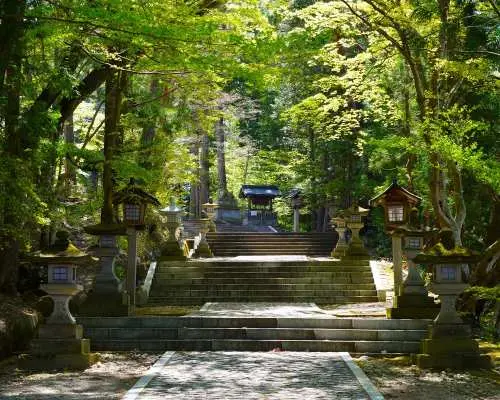
जापान के मध्य क्षेत्र कामिकोची की 2-दिवसीय यात्रा | शिराकावागो गास्यो-ज़ुकुरी गाँव + हिदा ताकायामा + गुजो हचिमान का भ्रमण | आवास एवं नाश्ता शामिल | नागोया से प्रस्थान
- नागोया से प्रस्थान, एक गुप्त स्थानों तक सीमित यात्रा, जो आपको समय द्वारा पसंद किए गए मध्य जापान के गुप्त क्षेत्रों में ले जाएगी, और मध्य जापान की प्राचीन शोभा और प्राकृतिक सुंदरता का एक गहन अनुभव प्रदान करेगी।
- 8 लोगों के साथ समूह बन सकता है, सीधे आकर्षण स्थलों तक पहुँच, समय और प्रयास की बचत, आकर्षण स्थलों पर भरपूर समय, छुट्टियों की यात्रा, मन और शरीर को आराम देने के लिए सबसे अच्छा विकल्प।
- ताकायामा के स्टार-रेटेड होटल में ठहरना, जिसमें आवास + होटल का नाश्ता शामिल है, पूरी यात्रा में कोई छिपा हुआ खर्च नहीं होने की गारंटी।
विकल्प चुनें


उत्पाद जानकारी
नीले‑नीले सुजु कस्कास, प्रतीकात्मक कॉप्पा पुल, शांत म्योशिन तालाब, और 3000 मीटर ऊँचाई पर स्थित होताका पर्वत श्रृंखला—शामोकोदि के हर कोने में शानदार दृश्य प्रदर्शित होते हैं। शामोकोदि वसंत (मई) में विशेष रूप से सुंदर होता है, नई हरी पत्तियाँ उगती हैं, अल्प्स अभी भी बर्फ से ढँकी होती है; शरद ऋतु के पत्तों के शिखर (अक्टूबर) में भी यह समान रूप से मनमोहक है। कॉप्पा पुल से ताइशो तालाब तक: शुरुआती यात्रियों के लिए उपयुक्त, दोनों ओर लगभग 2.5 घंटे लगते हैं। कॉप्पा पुल से शुरू करके ताइशो तालाब तक का मार्ग शामोकोदि का सबसे प्रतिनिधि क्लासिक मार्ग माना जाता है। रास्ते में कई क्लासिक प्राकृतिक दृश्यों का आनंद लिया जा सकता है, जैसे धुआँ छोड़ता शौयाक, और दर्पण‑समान सतह पर प्रतिबिंबित होताका पर्वत श्रृंखला। वापसी के दौरान, आप सुंदर तादेशी तालाब वेटलैंड से भी होकर गुजर सकते हैं। पूरी दूरी लगभग 3.8 से 4 किलोमीटर है, चलने में लगभग 2.5 घंटे लगते हैं। ढलान ढीली है, चलना आसान है, और दृश्य विविधतापूर्ण हैं। रास्ते में भोजन का विश्राम करके आप प्रकृति की सुंदरता को धीरे‑धीरे सराह सकते हैं।
【बच्चों के लिए मुफ्त नीति】शिशु और बच्चे यात्रियों की संख्या में माना जाएँगे, 0‑2 वर्ष के बच्चे अलग से स्थान या बिस्तर नहीं लेते और मुफ्त में भाग ले सकते हैं; 2 वर्ष से ऊपर के बच्चे व वयस्क समान कीमत देते हैं, प्रत्येक वयस्क केवल एक मुफ्त शिशु ले जा सकता है। यदि 0‑2 वर्ष के मुफ्त बच्चे साथ हैं, तो ऑर्डर पर नोट में संकेत दें। यदि अग्रिम सूचना नहीं दी गई और स्थान अपर्याप्त है, तो चालक को अवरुद्ध करने का अधिकार रहेगा, और हुए नुकसान की जिम्मेदारी स्वयं लेनी पड़ेगी, कृपया समझें।
【बुकिंग निर्देश】2~4 लोगों के कमरे, कृपया व्यक्तियों की संख्या के अनुसार बुक करें और नोट्स में आवश्यक कमरे का प्रकार बताएं, उदाहरण के लिए: 2 लोग प्रति कमरा, 3 लोग प्रति कमरा, 4 लोग प्रति कमरा चाहिए।
【आवास होटल】आवास यात्रा विवरण के अनुसार प्रदान किया जाएगा; यदि होटल भर जाए तो समान वर्ग का होटल प्रदान किया जाएगा। प्रस्थान से 3 दिन पहले आवास होटल की जानकारी दी जाएगी, कमरे का प्रकार उपलब्धता के अनुसार होगा, चयन संभव नहीं रहेगा; कई व्यक्तियों के ऑर्डर में आवश्यक कमरे प्रकार नोट करें, यदि प्रदान नहीं किया जा सका तो कृपया समझें। अकेले अतिथियों को अन्य यात्रियों के साथ बिस्तर साझा करने की व्यवस्था नहीं की जाएगी।
【लगेज ले जाने के नियम】प्रत्येक पर्यटक मुफ्त में 1 मानक आकार का लगेज ले जा सकते हैं, और कृपया ऑर्डर देते समय टिप्पणी बॉ में उल्लेख करें। यदि पहले सूचना नहीं दी और अचानक लगेज ले जाएँ, तो यह वाहन के अंदर जगह की कमी का कारण बन सकता है, जिससे अन्य यात्रियों की सुरक्षा और आराम पर प्रभाव पड़ेगा। गाइड को आपका वाहन पर सवार होना अस्वीकार करने का अधिकार है, और संबंधित शुल्क वापस नहीं किया जाएगा, कृपया समझें।
【वाहन एवं समूह संचालनकर्ता व्यवस्था】वास्तविक यात्री संख्या के अनुसार उपयुक्त वाहन (जैसे व्यावसायिक कार, मिनीबस, बड़े बस आदि) आवंटित किया जाएगा, विशिष्ट वाहन का चयन स्वीकार नहीं किया जा सकता, कृपया समझें। 16 व्यक्तियों से कम की टीम में केवल चालक‑समूह संचालनकर्ता साथ रहेगा, वह केवल यात्रा एवं समय प्रबंधन के लिए जिम्मेदार होगा; आकर्षण स्थल पर पहुँचने के बाद कृपया स्वयं घूमें। 16 व्यक्तियों से अधिक की टीम में अतिरिक्त समूह संचालनकर्ता रखा जाएगा।
- संदर्भ वाहन प्रकार: 10 सीटों वाली कार: सी लायन, 18‑22 सीटों वाली कार: छोटी बस; 22 सीटों से अधिक वाली कार: बड़ी बस, ऊपर दिए गए वाहन केवल संदर्भ के लिए हैं, वास्तविक वाहन संख्या दिन के समूह के आकार के अनुसार समायोजित की जाएगी।

गुजो हाचिमान जापान के गिफू प्रांत में पहाड़ों में छिपा हुआ "पानी का शहर" है, जो अपने साफ झरनों, सदियों पुरानी सड़कों, पारंपरिक नृत्यों और लकड़ी के टावरों के लिए प्रसिद्ध है, और इसे "छोटा क्योटो" कहा जाता है। यह साल भर घूमने के लिए उपयुक्त है, खासकर गर्मियों की रातों में गुजो ओडोरी और शरद ऋतु के लाल पत्ते सबसे मनमोहक होते हैं। पत्थर की सड़कों के किनारे बहता पानी, लहराती विलो शाखाएं, और तैरती हुई कोई मछली इसे जोड़ों के टहलने और परिवारों के घूमने के लिए एक आदर्श स्थान बनाती है

शिराकावागो में चार अलग-अलग मौसम होते हैं, हर मौसम में एक दृश्य होता है, और हर मौसम एक दृश्य दावत है। वसंत (मार्च-मई): बची हुई बर्फ पिघल नहीं रही है, नई हरियाली उग रही है, चेरी ब्लॉसम गांव को सजाते हैं, और शांति में जीवन शक्ति का संचार होता है। ग्रीष्म (जून-अगस्त): धान के खेत हरे-भरे हैं, छोटी नदियाँ बह रही हैं, आप कृषि गतिविधियों में भाग ले सकते हैं और ग्रामीण जीवन का अनुभव कर सकते हैं। शरद ऋतु (सितंबर-नवंबर): लाल पत्ते आग की तरह हैं, सुनहरे धान के खेत और फूस की छतें एक दूसरे को प्रतिबिंबित करती हैं, जैसे एक तेल चित्रकला। सर्दी (दिसंबर-फरवरी): भारी बर्फ से ढका हुआ, गांव एक बर्फीली परी कथा में बदल जाता है, गर्म और जादुई। यह फोटोग्राफी और यात्रा फोटोग्राफी के लिए एक शीर्ष गंतव्य है

सांस्कृतिक विसर्जन और पाक अन्वेषण का एक आदर्श संयोजन: ईदो काल की लकड़ी की इमारतों और पारंपरिक गलियों के पैटर्न को पूरी तरह से संरक्षित किया गया है, और सड़क के किनारे साफ नहरें बहती हैं, पानी की खनखनाहट के साथ, दोनों ओर सदियों पुरानी दुकानें, शराब की भठ्ठियाँ, रंगाई की दुकानें और चाय घर हैं। आप चलते-फिरते स्मृति चिन्ह खरीद सकते हैं, स्नैक्स का स्वाद ले सकते हैं, और "जीवित ईदो स्ट्रीटस्केप" का अनुभव कर सकते हैं

कामिकोची की ऊँचाई लगभग 1500 मीटर है, इसे "जापानी आल्प्स का स्वर्ग" और "छोटा स्विट्ज़रलैंड दृश्य" कहा जाता है। यह अपने प्राचीन वन, साफ़-सुथरी धाराओं, बर्फीले पहाड़ों को प्रतिबिंबित करने वाली झीलों और चार मौसमों की अद्भुत सुंदरता के कारण दुनिया भर के ट्रेकिंग प्रेमियों को आकर्षित करता है। यह हर साल अप्रैल के मध्य से नवंबर के मध्य तक खुला रहता है, और अलग-अलग मौसमों में बिल्कुल अलग रूप दिखाता है: वसंत (अप्रैल-मई): नई हरियाली उगती है, धाराएँ बहती हैं, यह जंगली फूलों और कोमल पत्तियों से भरा ताज़ा मौसम है। ग्रीष्म (जून-अगस्त): औसत तापमान केवल 20°C होता है, यह गर्मी से बचने और ट्रेकिंग के लिए स्वर्ग है, जंगल में ठंडक सुखद होती है। शरद (सितंबर-नवंबर): अक्टूबर पतझड़ के पत्तों का चरम समय है, सुनहरे लार्च और लाल मेपल घाटी को भर देते हैं, बर्फीले पहाड़ों की पृष्ठभूमि इसे और भी भव्य बनाती है।
खरीद सूचना
【यात्रा शर्तें】
प्रस्थान स्थान・गंतव्य: आयची/गीफ़ु・नागानो
यात्रा अवधि: 2 दिन 1 रात
परिवहन के साधन: उस दिन समूह के सदस्यों की संख्या के अनुसार वाहन का प्रकार निर्धारित किया जाता है।
भोजन शामिल: आवास होटल में नाश्ता 1 बार प्रदान किया जाता है
आवास सुविधा: हिडा प्लाज़ा होटल या समान श्रेणी का होटल
न्यूनतम समूह आकार: 8 लोग
गाइड: 1
टूर गाइड: 0
【यात्रा योजना/कार्यान्वयन】
संचालन कंपनी का नाम: KKT कॉर्पोरेशन
पता: चौबीसावाँ जिला, इचिबा प्रान्त, इचिबा प्रान्त, इचिबा प्रान्त, इचिबा प्रान्त, इचिबा प्रान्त, इचिबा प्रान्त
लाइसेंस नंबर: इचिबा प्रान्त गवर्नर पंजीकृत यात्रा व्यवसाय क्रमांक 2-1131
अनुस्मारक
टूर के प्रस्थान के लिए न्यूनतम 8 यात्री आवश्यक हैं। यदि प्रतिभागियों की संख्या न्यूनतम तक नहीं पहुंचती, तो टूर रद्द कर दिया जाएगा। टूर रद्दीकरण संबंधी ईमेल प्रस्थान तिथि से 14 दिन पहले भेजा जाएगा
यदि यातायात, मौसम या अन्य अप्रत्याशित कारणों से देरी होती है जिससे कुछ आकर्षण रद्द हो जाते हैं, तो कृपया ग्राहक सेवा से संपर्क करें। हम आपके लिए आंशिक धनवापसी की व्यवस्था करेंगे
तूफान या बर्फीले तूफान जैसे खराब मौसम की स्थिति में, टूर रद्द करने का निर्णय प्रस्थान से 1 दिन पहले (स्थानीय समय 18:00) लिया जाएगा। फिर ईमेल द्वारा सूचनाएं भेजी जाएंगी
कृपया निर्धारित प्रस्थान समय से 10 मिनट पहले निर्दिष्ट स्थान पर पहुंचें, क्योंकि टूर समय पर रवाना होगा
2 वर्ष से कम उम्र के बच्चों के लिए भोजन शामिल नहीं है
कृपया समय पर 8:00 बजे से पहले निर्दिष्ट मीटिंग पॉइंट पर पहुंचना सुनिश्चित करें। चूंकि यह एक समूह-मिलान यात्रा है, देर से आने वालों का इंतजार नहीं किया जाएगा, और कोई वापसी नहीं होगी। देर से आने से उत्पन्न होने वाली सभी लागतें और संबंधित जिम्मेदारियां आपकी अपनी होंगी। आपकी समझ के लिए धन्यवाद।
यदि मौसम या यातायात जैसे अप्रत्याशित कारक यात्रा में देरी का कारण बनते हैं, तो टूर लीडर मौके पर यात्रा के क्रम को लचीले ढंग से समायोजित करेगा, या वास्तविक स्थिति के अनुसार कुछ आकर्षणों पर रुकने के समय को कम या रद्द कर देगा, ताकि यह सुनिश्चित हो सके कि यात्रा सुरक्षित और व्यवस्थित रूप से आगे बढ़े। हम आपको एक अच्छा यात्रा अनुभव प्रदान करने की पूरी कोशिश करेंगे।


