

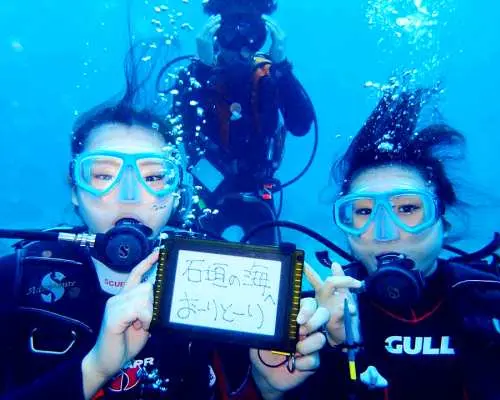


Ishigaki Island Diving Day Tour (Diver Certification Required)|Okinawa, Japan
Explore Ishigaki Island's underwater wonderland of coral reefs, tropical fish, and Manta rays through KKday's diving tour experience. Book today and embark on an underwater adventure!
- Dive in Ishigaki's crystal clear waters at Manta Point
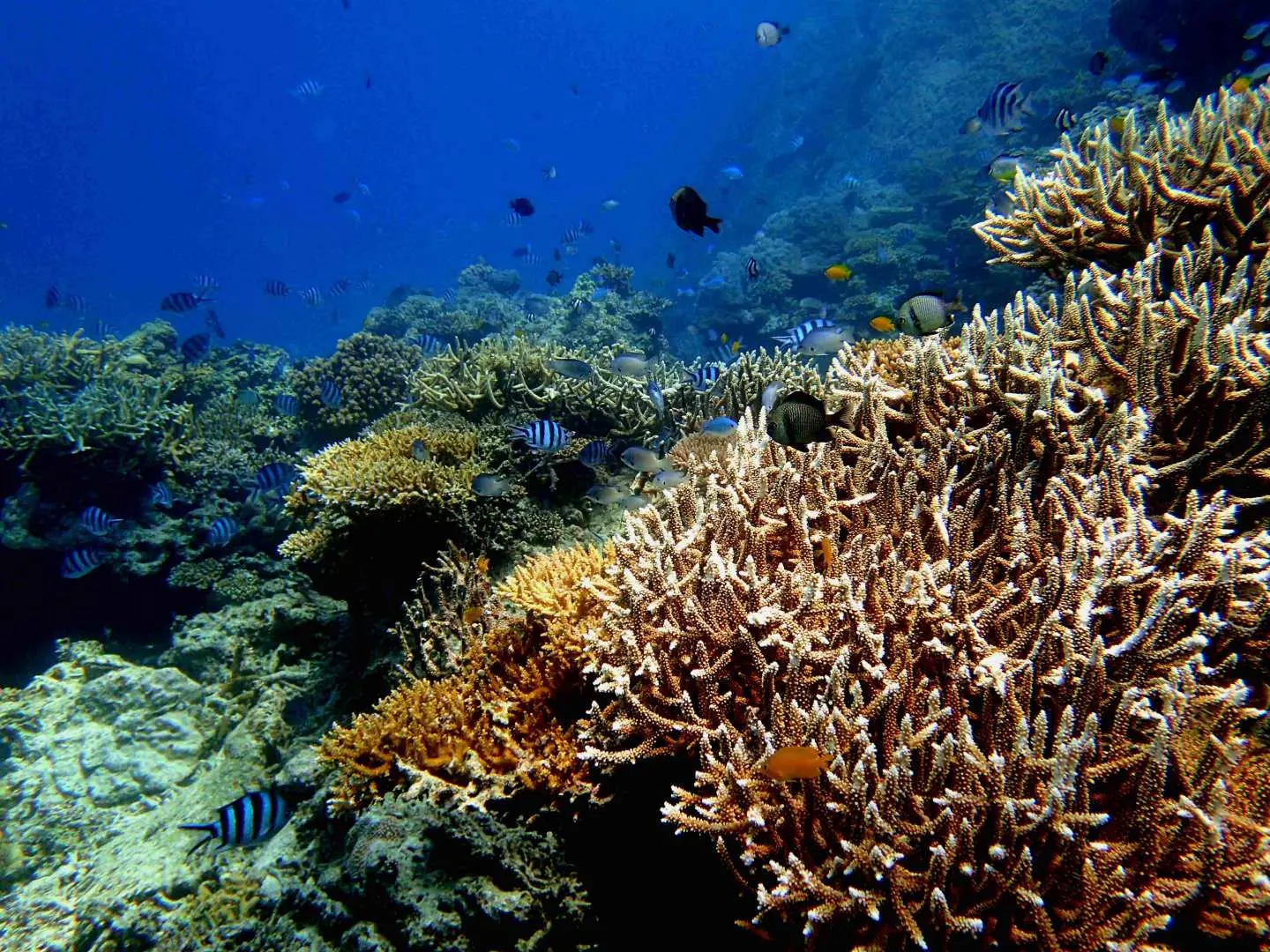
- Discover a treasure trove of incandescent coral reefs and tropical fish
- Search for curious and peaceful manta rays
- Watch fish clean fellow sea creatures at several "cleaning stations"
Water Activities
| Water activity type | Diving |
| Special water activity | Fun dive (license required) |
Product Info
What You Can Expect
1 Day
- Get everything ready for the diving experience
- Observe the beautiful biodiversity supported by coral reefs
- Look for traces of stingrays
- Have a delightful lunch with new friends
- Create happy memories at Ishigaki




Purchase Notice
- Please provide the following information in the "Note" section when booking:
- Contact details in Okinawa (phone number/email)
- Equipment required, amount, and names of the users
- All participants' height, weight, and shoe size (for equipment rental)
- English guided tour preference
- If you require hotel pick-up and drop-off, please provide the hotel name, address, contact number, and accommodation period
- Diver Certification Details:
a. Issuer (PADI/C-mas/NAUI/BSAC/SSI/SDI)
b. Level: open water/scuba diver/advanced/1-star/2-star
c. The number of dives
d. Date of the last dive - If your total number of dives is fewer than 5, we recommend the following experience (instructor & gear included):
https://www.kkday.com/en/product/7300 - You will receive an email 1 day prior to your experience with confirmation of times and pick-up details. Please reply confirming receipt of the experience details. If we are unable to contact you through email, we will use the phone number you provided when booking
- The pre-tour briefing and experience instructions will be in English, so there's no need to worry about language barriers
Includes/Excludes
Surcharge(s)
Equipment Rental
Please refer to "Equipment Rental Info"
Reminders
In case of delays caused by traffic, weather, or other force majeure factors resulting in the cancellation of some itinerary attractions, please contact customer service. We will arrange a partial refund for you
Travelers with the following conditions or other health issues that could be worsened by excessive stimulation should not participate in this activity: High blood pressure, Heart disease, Acrophobia, Asthma, Epilepsy, Pregnant women
If you are driving to Umicoza, navigation devices may not find the location. Please bring a map
It is strongly advised not to fly less than 1 day before or after your dive experience
Please bring your diving certificate, swimwear, and towel with you
We cannot guarantee the presence of stingrays
Please note that dive instruction is available in English only
・If you require hotel pick-up and drop-off, please provide the hotel name, address, contact number, accommodation period, and the full English names of the traveler representative ・The local agency will send an email to you in the afternoon 1 day before the tour to inform you of the pick-up time. Please reply to the email once you have received it. If email is not viable, phone calls will be arranged
How to Redeem Your Voucher
How to Use Your Voucher
- Please present the e-voucher on-site
Validity Period
- The voucher must be used on the selected date and within operating hours; Invalid after expiration
Pickup Point
Location Name: Hotels within Ishigaki
Address: Ishigaki Island, Okinawa, Japan 石垣島Location Name: Jigyoshayo Parking Lot(川平湾 海浜利用者専用 駐車場)
Address: 日本、〒907-0453 沖縄県石垣市川平828−2 川平湾 海浜利用者専用 駐車場(828-2 Kabira, Ishigaki, Okinawa 907-0453, Japan)Experience Location
Location Name: Ishigaki Island
Address: Ishigaki IslandCancellation Policy
- Cancellations 2 day(s) (inclusive) before the selected date are allowed. Unused orders can be canceled for free
- For cancellations made 1 to 1 days prior to selected date, a cancellation fee of 50% will apply
- Cancellation is not allowed between 0–0 days from the selected date. Orders cannot be canceled or modified, and refunds will not be granted.
- Due to time zone differences, the confirmed cancellation date is based on the supplier’s local time. Please allow 2–5 business days to process your cancellation request, after which the cancellation fee will be charged according to the product’s cancellation policy. Once the cancellation is confirmed, you will receive your refund within 14 working days.
FAQ
To reach diving tour departure points on Ishigaki Island, several transportation options are available. Taxis are convenient for direct travel from your accommodation to Ishigaki Port, a common departure point. Local bus services also operate across the island, though schedules can vary. Some diving tour operators may offer shuttle services or hotel pickups, so it's advisable to confirm this detail when arranging your tour.
The most common way to travel to Ishigaki Island is by air. New Ishigaki Airport (Painushima Ishigaki Airport, ISG) offers direct flights from major Japanese cities like Tokyo (Haneda/Narita), Osaka, Nagoya, Fukuoka, and Naha (Okinawa). There are also limited international flights. Alternatively, ferry services connect Ishigaki with nearby Yaeyama Islands, but flying is the primary method for mainland Japan and international travelers.
The cost of an Ishigaki Island diving day tour is influenced by several factors. These include the number of dives (e.g., 2-tank or 3-tank options), whether diving equipment rental (BCD, regulator, wetsuit, mask, fins) is included or charged separately, and if lunch and drinks are provided on board. The type of tour (group vs. private) and specific dive sites, such as dedicated Manta Point trips, can also affect the overall price. Tours that offer additional services like hotel transfers may also reflect these inclusions in the cost.
Yes, diver certification is generally required to participate in standard diving tours on Ishigaki Island, especially for popular sites like Manta Point. Most operators require participants to hold at least an Open Water Diver (OWD) certification from a recognized agency. This ensures divers have the necessary skills and experience to safely enjoy the underwater environment. Some tours may offer introductory 'discover scuba diving' experiences for uncertified individuals, but these are typically shallower and more restrictive.
At Ishigaki Island's famous Manta Point, divers can expect exhilarating encounters with majestic manta rays, especially during their peak season from June to October. This site is renowned for its 'cleaning stations,' where smaller fish remove parasites from mantas, allowing divers to observe these graceful creatures up close in their natural habitat. In addition to manta rays, the vibrant coral reefs teem with a variety of tropical fish, adding to the rich underwater spectacle.
Ishigaki Island's crystal clear waters boast an incredible diversity of marine life and healthy coral reefs. Divers can typically encounter various tropical fish species, including clownfish, angelfish, butterflyfish, and parrotfish. Sea turtles are also a common sight, gracefully swimming among the corals. The reefs themselves are vibrant ecosystems, featuring extensive hard and soft corals such as intricate table corals, brain corals, and colorful anemones, creating stunning underwater landscapes.
An Ishigaki Island diving day tour package typically includes essential services for a safe and enjoyable experience. This usually covers boat fees for transfers to dive sites, the rental of air tanks and weights. Professional dive guides are also provided to lead the dives and ensure safety. Many tours include lunch and drinks served on board the boat. Rental of personal diving equipment like BCDs, regulators, wetsuits, masks, and fins might be an additional cost or part of a more comprehensive package, so it's good to confirm specific inclusions.
Diving is possible year-round on Ishigaki Island, with each season offering unique experiences. The best visibility and warmest water temperatures are generally from April to November. For manta ray encounters at Manta Point, the period from June to October is considered prime season, with higher chances of sightings. During the cooler winter months (December to March), visibility remains good, and while the water is cooler, full wetsuits provide comfort, and less crowded dive sites can be a benefit.
Get Help


