

Zion and Bryce National Park 2-day tour with lodging
- Book your overnight Bryce and Zion Canyon national park tour today and explore Utah's red sandstone cliffs, Emerald Pool and visit the hoodoos.
Product Info
Purchase Notice
Duration: Lasts up to 48 hours
Reminders
Please refer to your voucher for final information regarding meeting points, pick-up locations, and pick-up time
Meeting point description: Pick up and drop off from hotels within 3 miles of the Las Vegas strip. If required, please contact 1 800 557 6989 to arrange your exact pick up time 7 days before tour departure.(Las Vegas)
Please contact the tour operator a week before departure to confirm the tour
Pick up and drop off from hotels within 3 miles of the Las Vegas strip. If required, please contact as above 7 days before tour departure
Please bring comfortable shoes, lightweight jacket, sun hat,( and a waterproof jacket just in case)
Please bring your own refillable water bottle
Unfortunately this tour is not wheelchair accessible
Rooms will be twin shared with a person of the same sex
This is a small group tour with a maximum of 14 guests per tour
FAQ
1. What are the unique features and highlights of Zion National Park?
Zion National Park is renowned for its immense sandstone cliffs, which feature stunning red, pink, and cream hues. Key highlights include the Virgin River, which carves through the canyon, and the lush Emerald Pools trail, known for its waterfalls and hanging gardens. The park's diverse ecosystem ranges from riparian areas along the river to arid desert landscapes, offering unique photographic opportunities and experiences.
2. When is the best time to visit Zion National Park for optimal experience?
The spring (April to May) and fall (September to October) are generally considered the best times to visit Zion National Park. During these seasons, the weather is pleasantly mild, creating ideal conditions for hiking and exploring the park's numerous trails. The park's shuttle system is typically in full operation, providing convenient access to many of Zion Canyon's most iconic viewpoints and trailheads without the need for private vehicles.
3. What are the key cost considerations for a trip to Zion National Park?
Key cost considerations for a trip to Zion National Park typically include the national park entrance fee, which usually covers a vehicle or individual for several days. Accommodation expenses vary widely, from camping fees to hotel and lodge rates, which tend to be higher closer to the park. Additional costs may include transportation to and within the area, meals, and any gear rentals for activities like hiking or canyoneering.
4. How do Zion National Park and Bryce Canyon National Park compare in terms of scenery and activities?
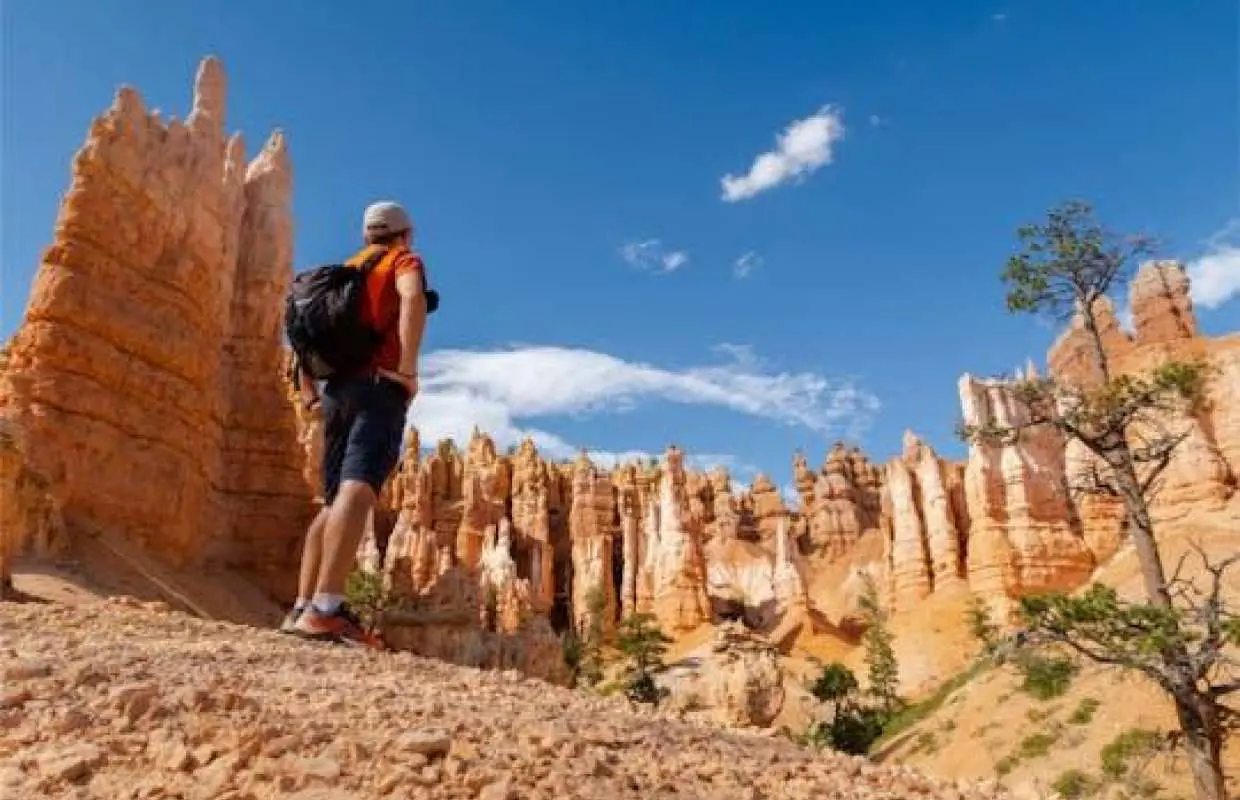
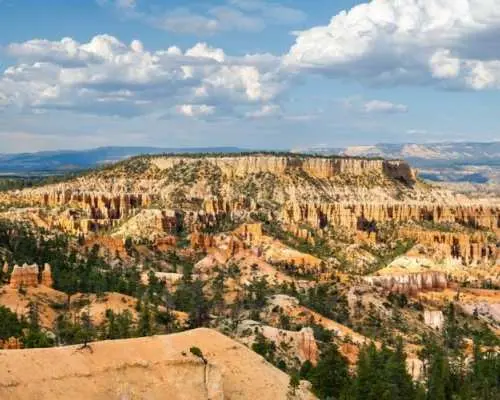
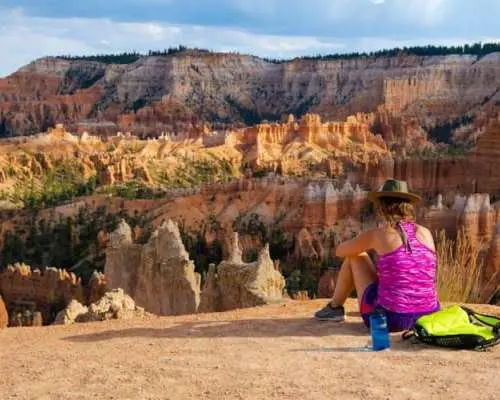
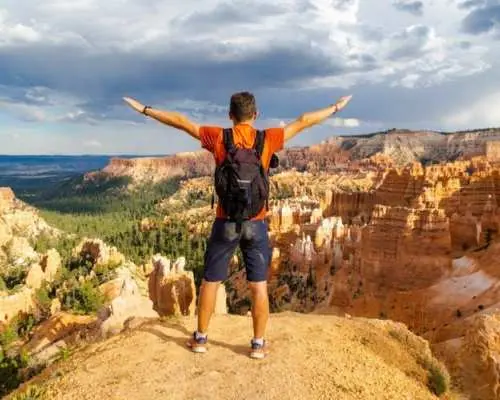
Zion National Park is characterized by its deep, river-carved canyons and towering sandstone cliffs, offering visitors upward-looking views and activities like hiking through riverbeds. Bryce Canyon National Park, conversely, features natural amphitheaters filled with thousands of unique geological spires called hoodoos, providing expansive downward-looking vistas. Zion is known for its lush valley floors, while Bryce is celebrated for its intricate rock formations and higher elevation landscapes.
5. What is the ideal season to experience Bryce Canyon National Park?
The ideal seasons to experience Bryce Canyon National Park are late spring (May to June) and early fall (September to October). During these months, the temperatures are moderate, making them perfect for exploring the park's rim trails and descending into the amphitheaters among the hoodoos. The crowds are also generally less dense than in the peak summer months, allowing for a more serene experience of its distinctive landscape.
6. How much time is typically recommended to tour Bryce Canyon National Park?
To fully appreciate the unique geology of Bryce Canyon National Park, including its many scenic overlooks and a short hike into the amphitheater, a full day is typically recommended. This allows enough time to drive the scenic road, stop at various viewpoints like Inspiration Point and Sunrise/Sunset Points, and venture down trails such as the Navajo Loop or Queen's Garden to walk among the iconic hoodoos.
7. What are the exploration options for Bryce Canyon National Park beyond just driving through?
Beyond simply driving the scenic rim, Bryce Canyon National Park offers extensive exploration options. Visitors can embark on numerous hiking trails that descend into the amphitheater, allowing for an immersive experience among the hoodoos. Popular trails include the Navajo Loop and Queen's Garden Trail. Additionally, the park provides opportunities for ranger programs, stargazing, and horseback riding through specific sections, offering diverse ways to engage with its unique landscape.
8. Is it feasible to visit both Zion National Park and Bryce Canyon National Park within a two-day trip?
Yes, it is definitely feasible to visit both Zion National Park and Bryce Canyon National Park within a two-day trip, especially with an overnight stay to maximize exploration time. Many itineraries, such as a two-day tour, are designed to allow visitors to experience the distinct highlights of Zion on one day and then travel to Bryce Canyon for comprehensive exploration on the second day. Strategic planning helps ensure a fulfilling experience at both iconic parks.


