

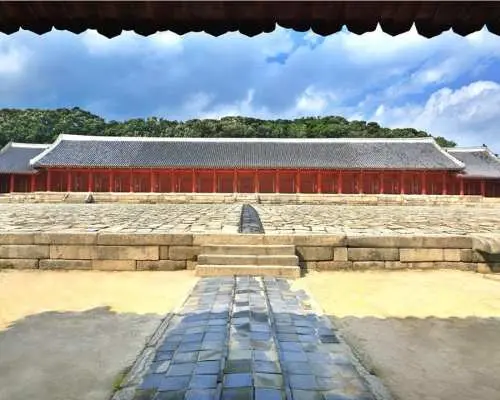


【Japanese Guide】 Master Seoul in just 8 hours! World Heritage Jongmyo Shrine & Changdeokgung Palace + Hanbok Experience + Seosulla-gil + Michelin Bibimbap + N Seoul Tower Octagonal Pavilion + National Museum of Korea
- A viral sensation on social media! Stroll along the trendy 'Seosulla-gil' and enjoy a Hanbok experience and photo session at N Seoul Tower
- Includes a delicious Bibimbap lunch at the Michelin-recognized 'Mokmyeoksanbang', known for its healthy, additive-free dishes!
- Conquer Seoul's history and culture in one day, from two major World Heritage sites (Jongmyo Shrine and Changdeokgung Palace) to the National Museum!
Product Info
Purchase Notice
- This tour will be conducted as a shared tour with other customers.
- If there are three or fewer participants, alternative transportation (taxi, bus, subway, etc.) will be used instead of a dedicated vehicle.
- Please be sure to arrive on time. The tour will depart 10 minutes after the scheduled departure time, and if you are unable to board, you will not be able to join the tour midway or receive a refund.
- Tour schedules may be changed or canceled due to weather, traffic conditions, etc.
- Due to traffic conditions, there may be slight variations in the travel time.
- We assume no responsibility whatsoever for accidents caused by natural disasters or other causes not provided on this tour.
- Please note that the tour lounge on the 2nd floor of the Lotte Hotel in Myeongdong, which is the meeting point, is not affiliated with the tour operator. Therefore, please refrain from contacting or calling the tour lounge.
- Children under 10 years old may not be able to try on a hanbok (traditional Korean dress). (However, it may be possible if a suitable size is available).
- Even if you decide not to participate in the hanbok try-on experience due to personal reasons, the fee for the hanbok try-on experience will not be refunded.
- At N Seoul Tower, you will only be able to visit the octagonal pavilion; you will not be admitted to the tower itself.
Reminders
A minimum of 2 traveler(s) are required for the tour to depart. If the number of participants does not reach the minimum requirement, the tour will be canceled. An email regarding tour cancellation will be sent 1 day(s) before the departure date
Please arrive at the designated location 10 minute(s) before the scheduled departure time, as the tour will depart on time
FAQ
1. What is Jongmyo Shrine and what was its original purpose?
Jongmyo Shrine is a UNESCO World Heritage site in Seoul dedicated to the ancestral tablets of the Joseon dynasty kings and queens. Its primary purpose was to serve as a royal Confucian ancestral shrine where ceremonial rites were performed to honor the deceased monarchs, ensuring the legitimacy and prosperity of the royal lineage. It reflects significant historical and cultural importance.
2. Why is Changdeokgung Palace recognized as a UNESCO World Heritage site?
Changdeokgung Palace is a UNESCO World Heritage site due to its outstanding example of Far Eastern palace architecture and garden design, harmoniously integrated into the natural landscape. It served as the principal palace for many Joseon kings and preserves significant architectural styles, historical records, and a unique "secret garden" (Huwon), showcasing the deep connection between architecture and nature.
3. What is the recommended visit duration for Changdeokgung Palace?
A visit to Changdeokgung Palace typically takes about 1.5 to 2 hours to fully explore the main palace grounds and appreciate its architecture. If you plan to include the Secret Garden (Huwon) tour, which requires a separate reservation and is guided, the total visit time can extend to approximately 2.5 to 3 hours, offering a more in-depth experience.
4. What activities and experiences are available at the N Seoul Tower Octagonal Pavilion?
At the N Seoul Tower Octagonal Pavilion area, visitors can enjoy panoramic views of Seoul, participate in a Hanbok experience for memorable photo opportunities, and place 'love locks' as a symbolic gesture. The area offers various cafes and souvenir shops, making it a vibrant spot for both scenic appreciation and cultural engagement.
5. How can visitors arrange admission for N Seoul Tower?
Visitors can arrange admission for N Seoul Tower by purchasing tickets online or directly at the tower's ticket counter. Booking in advance through KKday offers the convenience of secured entry and often allows for a smoother experience upon arrival, avoiding potential queues and ensuring your visit is well-planned.
6. What can be explored along Seosulla-gil (서순라길) and what makes it a popular spot?
Seosulla-gil, located near Jongmyo Shrine, is a trendy walking street known for its unique blend of traditional Korean houses (hanok) and modern cafes, boutiques, and workshops. It has become popular for its charming, artistic atmosphere, offering visitors a chance to experience Seoul's creative side while enjoying a leisurely stroll and discovering hidden gems.
7. What are the main highlights for visitors at the National Museum of Korea?
The National Museum of Korea houses an extensive collection spanning various periods of Korean history and art, from ancient artifacts to modern works. Key highlights include the Silla Gold Crown, Goryeo celadon pottery, and various Buddhist sculptures. Visitors can explore permanent exhibitions detailing Korea's cultural heritage and enjoy special themed exhibitions.
8. What are the common transportation options to reach N Seoul Tower?
To reach N Seoul Tower, common transportation options include taking a public bus (Namsan Circular Bus 01, 02, 03, 05) up Namsan Mountain, or utilizing the Namsan Cable Car from near Myeongdong. Alternatively, many visitors opt for a taxi directly to the base of the tower, followed by a short walk or cable car ride.


