

Tokyo Mt. Fuji and Sumo Performance Full-Day Cultural Tour
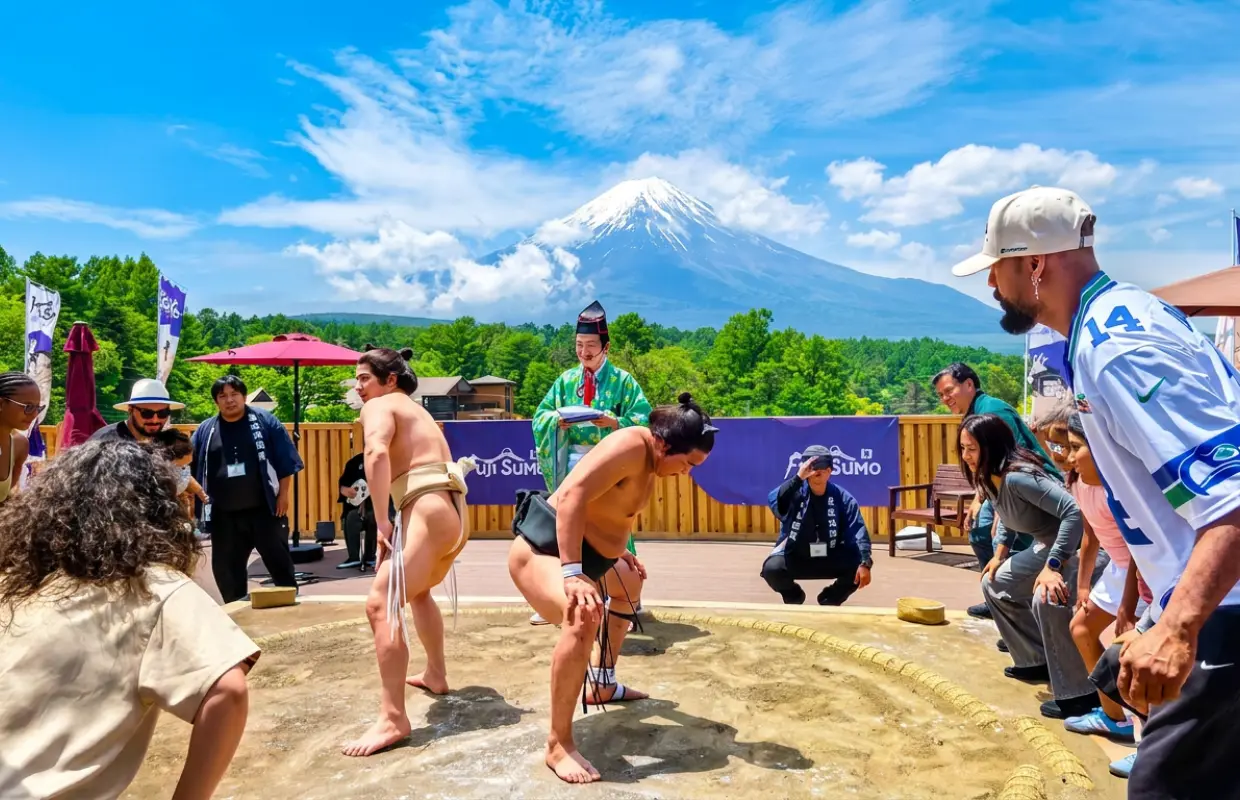
- Enjoy a sumo wrestling performance at the foot of Mount Fuji, witnessing Japan's traditional national sport and experiencing its unique cultural charm.
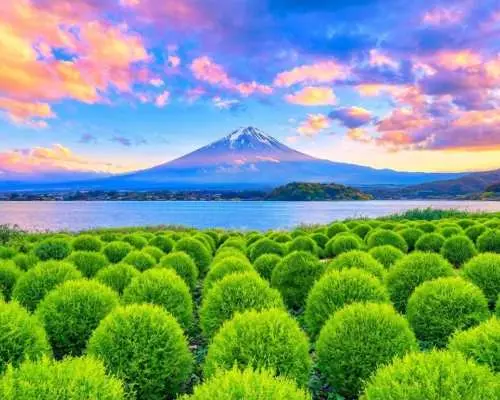
- Kawaguchiko Oishi Park is a famous viewpoint for Mt. Fuji, offering different scenery in each season.
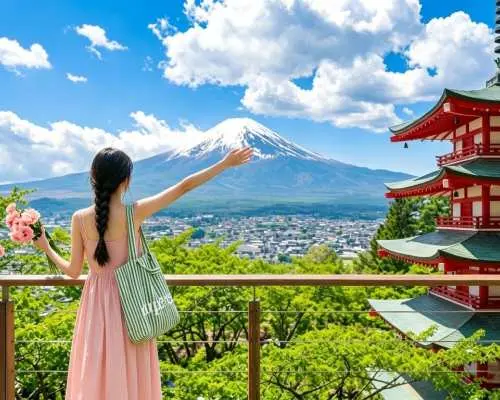
- Take a classic photo at Arakurayama Sengen Park where the five-story pagoda and Mount Fuji are framed together.
- Stroll through the popular shopping streets of Fujiyoshida and take photos of the iconic Mount Fuji cityscape.
- Easy departures from Tokyo: Two meeting points, Tokyo Station and Shinjuku, making travel more convenient.
- Having a Chinese/English-speaking tour guide makes you feel more at ease.
Package Options


Product Info
Purchase Notice
[Tourism Conditions]
Travel departure point and destination: Tokyo and Yamanashi
Trip duration: Day trip
Transportation: Chartered bus
Bus company name: JESUS CO., LTD.
Meals provided: Breakfast 0 times, Lunch 0 times, Dinner 0 times
Accommodation facilities: None
Minimum group size: 4
Team Leader: 0
Tour guide: 1
【Travel Planning/Implementation】
Operating Company Name: JRT Group Co., Ltd.
Address: Room 510, Floor 5, Ginza Ishii Haru, 6-14-8 Ginza, Chuo-ku, Tokyo
License Number: Tokyo Governor's Registered Travel Agent No. 2-8353
Name of travel industry association: Japan Travel Industry Association (full member)
Reminders
A minimum of 4 traveler(s) are required for the tour to depart. If the number of participants does not reach the minimum requirement, the tour will be canceled. An email regarding tour cancellation will be sent 4 day(s) before the departure date
In the event of inclement weather such as typhoons or snowstorms, a decision on whether to cancel the tour will be made 1 day(s) before departure (local time 20:00). Notifications will then be sent via email
Please arrive at the designated location 10 minute(s) before the scheduled departure time, as the tour will depart on time
Please arrive at the meeting point on time. Latecomers will not be waited for, and you cannot join the meeting midway.
This is a group tour, and seating is allocated on a first-come, first-served basis. Please note any special requests you may have, and we will do our best to arrange them, but the final arrangements will be subject to the actual situation on-site.
If you need to bring luggage, please inform us in advance. If you bring luggage without authorization, the tour guide has the right to refuse boarding and no refund will be given. Eating and drinking are prohibited on the bus; any damage will be compensated according to local standards.
The itinerary does not include personal travel and accident insurance; it is recommended that you purchase your own insurance. Outdoor activities and high-risk sports involve certain risks; please carefully consider your own health condition before registering.
If the trip is forced to be cancelled due to natural disasters or force majeure after departure, no refund will be given, and the traveler will be responsible for the return trip or additional accommodation costs.
During peak travel periods in Japan, such as holidays and weekends, there are often severe traffic jams or attractions closing early. It is recommended not to book flights, Shinkansen trains, or dinners for the same evening, and to bring your own light snacks and a power bank.
FAQ
1. What is the recommended time to visit Arakurayama Sengen Park for the best views of Mount Fuji?
Arakurayama Sengen Park is most captivating during spring with cherry blossoms (around April) and autumn with vibrant fall foliage (late October to early November). These seasons offer the classic picturesque scene of Mount Fuji with the Chureito Pagoda. In summer (July-August), the park is lush green, and in winter (December-February), you might see Mount Fuji covered in snow. Each season has its unique charm. Clear weather is key to enjoying the full panorama of Mount Fuji, regardless of the season.
2. What is the special significance of Mount Fuji in Japanese culture and spirituality?
Mount Fuji is not only Japan's highest peak but also a sacred mountain and a spiritual symbol for the Japanese people. It is revered as a divine place, representing eternity, hope, and good fortune. Its elegant conical shape has been celebrated by poets and artists since ancient times, making it an integral part of Japanese literature, art, and faith. It symbolizes Japan's unique aesthetics and resilient spirit.
3. What is the most convenient way to travel from central Tokyo to the Mount Fuji area attractions?
The most convenient way to reach the Mount Fuji area from central Tokyo is by joining a day tour that departs and returns to Tokyo. These tours typically include transportation and a professional guide who will take you to popular spots like Lake Yamanaka, Oishi Park, and Arakurayama Sengen Park. This eliminates the hassle of planning your own transportation and transfers, making your trip more relaxed and seamless.
4. Besides enjoying Mount Fuji, what other unique Japanese experiences does this cultural tour include?
In addition to admiring the magnificent views of Mount Fuji, the highlight of this cultural tour is a specially arranged sumo wrestling experience. You will have the opportunity to witness this traditional sport, known for its blend of power and grace, up close. You can even try on a traditional sumo outfit and personally experience this national sport. This will add rich cultural depth and enjoyment to your Mount Fuji journey.
5. Around which month is the best time to see the Kochia bushes at Oishi Park in Lake Kawaguchiko?
The best season to view the Kochia bushes (also known as 'Popo Grass' or 'Broom Cypress') at Oishi Park in Lake Kawaguchiko is typically autumn. Around early to mid-October each year, the Kochia bushes transform from green to vibrant red, creating a colorful contrast with Mount Fuji and Lake Kawaguchiko in the distance. It's a popular spot for photos. During summer (July-August), you can see the green Kochia.
6. What should I keep in mind to capture the classic photo of Mount Fuji with the Chureito Pagoda at Arakurayama Sengen Park?
To capture the iconic shot of Mount Fuji and the Chureito Pagoda at Arakurayama Sengen Park, it is recommended to visit on a clear day. The best viewpoint is from the observation deck behind the pagoda, which may involve climbing some stairs. Arriving early is advisable to avoid crowds. Pay attention to the direction of the light; it's softer in the early morning or late afternoon, allowing for more layered and atmospheric photos.
7. Will there be a guide to assist and provide explanations during the Mount Fuji area tour?
Yes, these cultural tours around Mount Fuji typically come with a professional tour guide. These guides can provide services in Chinese and English, offering detailed explanations of the historical background, cultural significance, and tourist information for each attraction. They also assist with any issues that may arise during the tour, allowing travelers to gain a deeper understanding of Japanese culture and enjoy a worry-free journey.
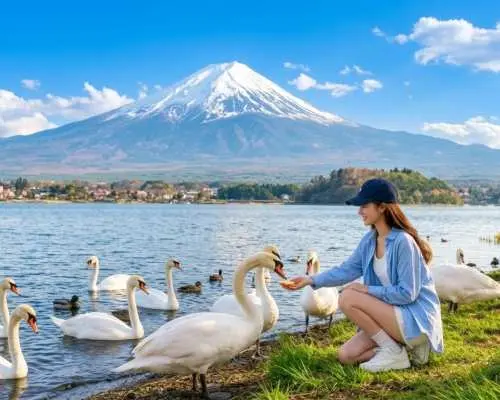
8. What other recommended activities are there at Lake Yamanaka besides viewing Mount Fuji?
Lake Yamanaka is the largest lake among the Fuji Five Lakes. Besides admiring the reflection of Mount Fuji, you can take a ride on the uniquely shaped 'KABA' amphibious bus or enjoy the swan-shaped sightseeing boat. The lakeside is also perfect for walking and cycling. In winter, you might see the frozen lake surface and participate in ice fishing, experiencing different aspects of the lake's scenery and fun.


