




Kenrokuen Garden in Kanazawa, Japan - Admission Ticket
- One of Japan's three most famous gardens, it covers approximately 11.4 hectares. The Kasumi Pond, the Koto Pillar Lantern, and the Snow-Hanging Pine Tree are its most representative garden features.
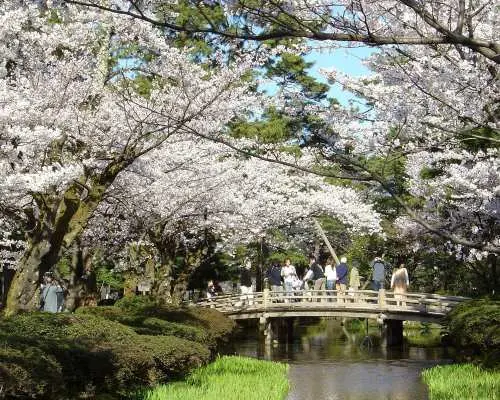
- Springtime for cherry blossoms, summer for verdant moss, autumn for vibrant maple leaves, and winter for snow-covered cliffs—each season offers its own unique charm and distinct character.
- Flexible date tickets allow you to choose any date to enter the park within 6 months of purchase, making it easy to match with your overall Kanazawa itinerary.
- Book now through KKday and simply show your ticket on your phone for entry, saving you the time of queuing to buy tickets on-site.
- For more recommended attractions in Kanazawa , please click here!
Attraction Tickets
| Ticket type | E-ticket (direct entry) |
| Attraction type | History & culture, Ecology & conservation, Traditional house experience |
Product Info
The content of this product is provided by machine translation and may not reflect the actual information, please take this into consideration before booking.
Kenrokuen Garden
Kenrokuen Garden, located in the center of Kanazawa City, Ishikawa Prefecture, adjacent to Kanazawa Castle, is a strolling garden built over nearly two centuries by successive lords of the Kaga Domain during the Edo period. It is considered one of Japan's three most famous gardens, along with Okayama Korakuen and Mito Kairakuen, and was designated a National Special Place of Scenic Beauty in 1985. The garden's name is derived from the six essential qualities of an ideal garden found in Chinese garden design theory: vastness, seclusion, artificiality, antiquity, water features, and panoramic views. Kenrokuen is one of the very few gardens that possesses all six qualities simultaneously.
Stepping into the garden, stroll along the winding stone paths and admire the Kasumi Pond reflecting the sky, the Koto Pillar Lantern (considered the garden's symbol), and the Karasaki Pine (over 200 years old). The Yugao-tei teahouse, built in 1774, is the oldest existing building in the garden. Visitors can stop to relax, enjoy matcha sweets, and experience the leisurely atmosphere of Edo culture. Every winter, the sight of gardeners using snow-suspended ropes to support the pine branches becomes a quintessential winter scene in Kanazawa, attracting many travelers.
It takes about 15 to 20 minutes by bus from Kanazawa Station to reach the Kenrokuen bus stop. There are also many tea houses and souvenir shops in the Katsura-saka area outside the park exit that offer matcha and gold leaf soft serve ice cream, making it the perfect way to end your trip.
The painting depicts the iconic twin stone lanterns of Kenrokuen Garden standing beside Kasumi Pond, with the surrounding trees reflected in the pond, creating an elegant composition.


Looking into the park from the side entrance of Kanazawa Castle, pink cherry blossoms form a flower corridor covering the stone-paved walkway, providing a visual reference for visitors in spring.


The autumn foliage of the maple and keyaki trees on the southeast side of the garden is displayed, with the golden-red hues creating a striking contrast with the traditional garden stone path.


The landscape features a snow-hanging installation where gardeners use ropes to support pine branches, creating a unique seasonal scene in the snow-covered garden of Kanazawa.


Purchase Notice
- Entry Rules and Precautions -
- This ticket is for admission to Kenrokuen Garden. It does not include food and drinks at the teahouses (Yugao-tei and Shigure-tei) within the garden, nor does it include admission fees to buildings inside Kanazawa Castle. Please refer to on-site announcements for any related fees.
- Please present your e-ticket at the ticket window upon entry; all accompanying passengers must arrive together before queuing to enter; please do not enter in batches and then rejoin each other.
- Electronic ticket holders and on-site ticket buyers use the same entry queue; there is no separate priority lane.
- Please follow the instructions of the staff inside the park to avoid affecting other visitors.
- Depending on the ticket category, you may be required to show identification; failure to do so may result in a ticket price adjustment or refusal of entry.
- Seniors aged 65 and above can enter the park for free upon presentation of a government-issued photo ID (passport, driver's license, etc.) without purchasing a ticket; this ticket is not applicable to those aged 65 and above who are eligible for free admission.
-Operations Announcement-
- Business hours may vary and some facilities, exhibitions or services may be temporarily suspended; please refer to official announcements before departure.
- In case of severe weather such as typhoons or special social circumstances, the park may be temporarily closed; if the park is closed, please refer to the latest official announcement.
- Admission is free on the following specific dates, and no additional payment is required with this ticket. However, the ticket validity period will still be calculated as usual without compensation: Million Koku Festival (early June annually), Old Obon Festival (August 14-16), Culture Day (November 3), New Year's Eve (December 31-January 3), and Cherry Blossom Viewing Season (late March to early April, subject to change depending on cherry blossom conditions). Please refer to official announcements for detailed free admission dates.
Reminders
Business hours may vary and some facilities, exhibitions or services may be temporarily suspended; please refer to official announcements before departure.
Depending on the ticket category, you may be required to show identification; failure to do so may result in a ticket price adjustment or refusal of entry.
How to Redeem Your Voucher
How to Use Your Voucher
- Please present the e-voucher on-site
Experience Location
Location Name: Kenrokuen
Address: 1 Kenrokumachi, Kanazawa, Ishikawa 920-0936 JapanMarch 1 to October 15: 07:00 – 18:00 (last entry at 17:30)
October 16 to the end of February: 08:00 – 17:00 (last entry at 16:30)
During specific periods such as cherry blossom season and autumn foliage season, there will be nighttime light shows (the park will be open at night). Please refer to the official announcement for the exact times.
In principle, the park is open year-round; however, it may be temporarily closed in case of safety concerns such as typhoons or severe weather, or in special social circumstances. Please check the official announcement before you go.
Get Help


