

Crete: Lasithi Plateau and Knossos Palace Day Tour|Greece
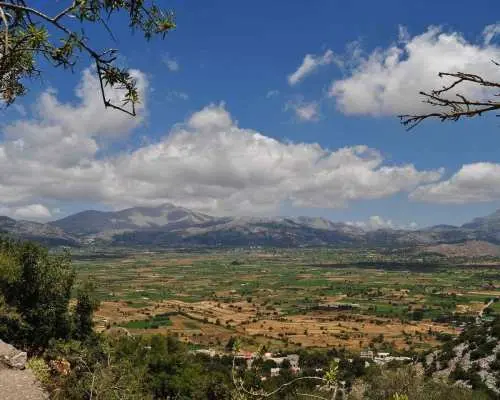
- See incredible panoramic views of Lassithi Plateau from Seli Ambelou with lunch
- Learn the history of the Kera Kardiotissa Monastery and see the Virgin Mary icon
- Explore Krasi Village and admire its ancient Platanus, springs, and fountains
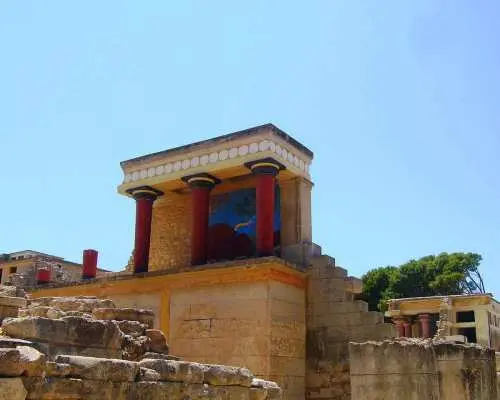
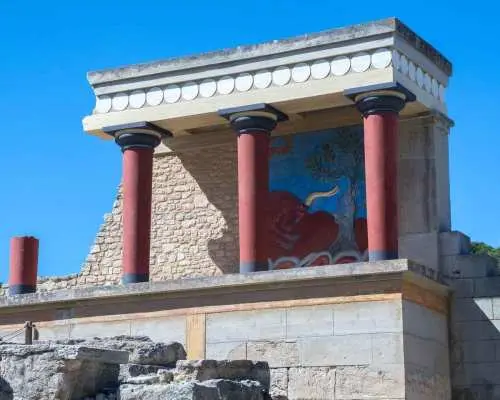
- Explore the ancient Knossos Palace, see the throne room, frescoes, and more
- Discover the Dictaean Cave, learn its deep history and explore its mythology
Sightseeing Tours
| Tour Type | Shared tour |
| Transportation method | Hotel transfer |
| Tour types | Guided tour |
| Meal arrangement | Lunch included |
| Additional service & facility | Transfer included |
| Sightseeing type | Natural sights, Historic site tour |
| Transport | Charter car |
Product Info
Important Info
Reminders
If your package requires a pickup address, the supplier will reconfirm the address you provided. If the address cannot be accepted, we will contact you to confirm an alternative pickup location.
Not Suitable For: People with mobility impairments
What To Bring: Comfortable shoes
What To Bring: Hat
FAQ
The Palace of Knossos is renowned as the ceremonial and political center of the Minoan civilization, Europe's oldest city. It is deeply intertwined with Greek mythology, particularly as the legendary home of King Minos and the site of the Minotaur's Labyrinth, designed by Daedalus. Visitors can explore its ancient ruins, including remnants of the throne room and vibrant frescoes depicting Minoan life and culture, offering a glimpse into its rich historical and mythical past.
The name 'Knossos' is typically pronounced as "k-NOH-soss" by Greeks, with emphasis on the second syllable. Culturally, Knossos holds immense importance as the heart of the Minoan civilization, a sophisticated Bronze Age society. It represents a foundational pillar of European history and culture, influencing subsequent Greek myths and architectural traditions, making it a proud symbol of Crete's ancient heritage.
While the Minotaur's Labyrinth is a mythical structure, visiting Knossos Palace allows visitors to immerse themselves in the legendary setting. The sprawling, complex layout of the ancient palace ruins, with its many rooms, corridors, and courtyards, is believed to have inspired the myth of the labyrinth. Exploring the site evokes the scale and mystery associated with the tale, offering a tangible connection to the ancient stories of King Minos and the Minotaur.
At the Palace of Knossos, visitors can explore several notable architectural features and historical artifacts. Key highlights include the famous Throne Room, believed to be the oldest throne room in Europe, and well-preserved frescoes depicting Minoan life, rituals, and mythological creatures. The intricate layout of the palace, its grand staircases, storage magazines, and advanced drainage systems also offer fascinating insights into the sophisticated Minoan civilization.
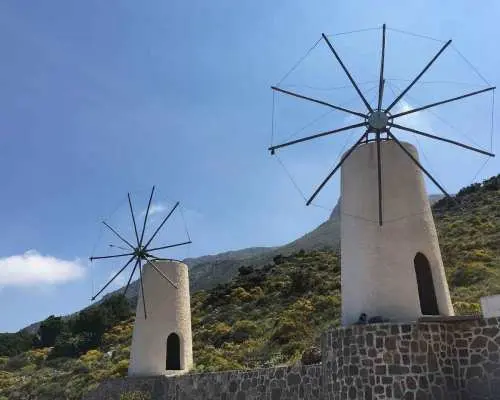
The Lasithi Plateau offers stunning scenic viewpoints, particularly from Seli Ambelou, providing incredible panoramic views of the entire plateau. Culturally, key sites include the historic Kera Kardiotissa Monastery, famous for its Virgin Mary icon and rich history. Additionally, the Dictaean Cave, a site of deep mythological significance as the birthplace of Zeus, offers a unique blend of natural beauty and ancient lore.
Visiting the Dictaean Cave provides a fascinating journey into both natural geological formations and profound historical insights. Inside, visitors can explore impressive stalactites and stalagmites. Historically, the cave is renowned as a significant site in Greek mythology, traditionally believed to be the birthplace of the god Zeus. Exploring its depths allows one to learn about its ancient past and its pivotal role in classical mythology.
At Krasi Village, visitors can experience authentic Cretan village life, admiring its ancient Platanus tree, which is centuries old, along with its traditional springs and fountains. The Kera Kardiotissa Monastery offers a spiritual and historical experience, allowing visitors to learn about its long history and admire the revered Virgin Mary icon within its sacred walls, providing insight into local religious traditions and art.
A dedicated day tour is typically designed to provide a comprehensive experience of the Lasithi Plateau and its surrounding attractions. This allows ample time to take in the panoramic views from Seli Ambelou, explore the historical Kera Kardiotissa Monastery, wander through Krasi Village, and delve into the mythological Dictaean Cave. The tour is structured to ensure visitors can fully immerse themselves in each site's unique offerings within a single day.
Get Help


