


Amara Soap Making Class | Chiang Mai
- All Materials Included – Just show up and enjoy the experience
- Beginner-Friendly Classes – No experience needed, suitable for all ages
- Multiple Class Options – Melt & Pour, Cold Process, or Full-Day Professional Program
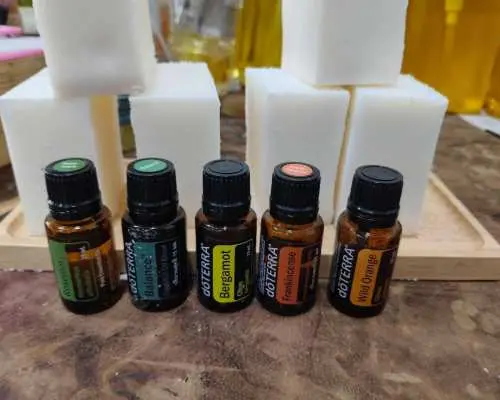
- Create & Take Home Your Own Soaps – Customize with herbs, scents, colors, and molds
- Small, Hands-On Classes – Personalized guidance in a cozy setting
Package Options
Cultural Experiences
| Activity time | Morning, Afternoon |
| Transportation method | Get there on your own |
| Location | Indoor |
| Activity level | Beginner, Intermediate |
| Experience type | DIY Workshop |
| DIY type | Soap making |
Product Info
Purchase Notice
1. Booking & Confirmation
- All reservations must be made in advance through the booking platform or directly with our studio.
- Please check your booking details carefully. Any incorrect information must be updated before the class date.
2. Cancellation & Refund Policy
- Full refund available for cancellations made at least 48 hours before the class start time.
- Cancellations within 48 hours or no-shows will not be eligible for a refund.
- Date changes are subject to availability and must be requested at least 24 hours in advance.
3. Late Arrival
- Please arrive on time.
- Participants arriving 15 minutes late or more may not be able to join the class, and no refund will be provided, as it affects the class schedule and other guests.
4. Age & Participation
- Suitable for participants aged 5 years and above.
- Children under 12 must be accompanied by an adult.
- Pregnant guests may join the Melt & Pour class, but should avoid strong fragrances if sensitive.
5. Safety Guidelines
- All participants must follow safety instructions provided by the instructor.
- Safety gear (such as gloves) will be provided and must be worn at all required times.
- For Cold Process classes, participants must handle certain ingredients responsibly under supervision.
6. Personal Responsibility
- Participants are responsible for informing the instructor of any allergies or sensitivities before the class begins.
- Amara Soap Making Class is not liable for allergic reactions caused by the materials chosen by participants.
7. Photography & Media
- Guests may take photos or videos during the workshop.
- The studio may capture photos or videos for promotional purposes. If you prefer not to be photographed, please inform us before the class starts.
8. Taking Home Products
- All completed soap and workshop products can be taken home.
- For Cold Process (CP) soaps, curing time may be required. Instructions will be provided for safe home curing.
9. Studio Conduct
- Please treat equipment and tools with care. Damages caused by misuse may incur charges.
- Be respectful to instructors and other guests to maintain a positive learning environment.
10. Weather & Operational Issues
- This is an indoor activity and operates in all weather conditions.
- In the rare event the studio must cancel due to operational reasons, guests will receive a full refund or the option to reschedule.
Includes/Excludes
Reminders
Please arrive 10–15 minutes early to check in and prepare for the class. If you arrive more than 15 minutes late, entry may not be permitted as it impacts the workshop flow.
Participants aged 5+ are welcome. Children under 12 must be accompanied by an adult.
Cold Process (CP) classes involve lye, which requires careful handling. Safety equipment will be provided and must be worn at all times.
If you have allergies or sensitive skin, please inform the instructor before the class begins.
Pregnant guests are advised to join the Melt & Pour class and avoid strong fragrances if sensitive.
Wear comfortable clothing that you don’t mind getting a little messy. Aprons will be provided.
Finished CP soaps may require curing time at home before use. Instructions will be given.
All materials and tools are provided by the studio—no need to bring anything.
Photos and videos are allowed, but please avoid disrupting other guests.
Food and drinks are not allowed near the soap-making area for safety reasons.
Please follow all safety instructions to ensure a safe and enjoyable experience for everyone.
How to Redeem Your Voucher
How to Use Your Voucher
- Please present your e-voucher and passport on-site
Experience Location
Location Name: Amara Soap Making Class
Address: Amara Soap Making ClassCancellation Policy
- Cancellations 2 day(s) (inclusive) before the selected date are allowed. Unused orders can be canceled for free
- Cancellation is not allowed between 0–1 days from the selected date. Orders cannot be canceled or modified, and refunds will not be granted.
- Due to time zone differences, the confirmed cancellation date is based on the supplier’s local time. Please allow 2–5 business days to process your cancellation request, after which the cancellation fee will be charged according to the product’s cancellation policy. Once the cancellation is confirmed, you will receive your refund within 14 working days.
FAQ
The Amara Soap Making Class offers multiple options with varying durations to suit different learning preferences. You can choose from classes focusing on specific techniques like Melt & Pour or Cold Process. There's also a comprehensive Full-Day Professional Program available for those seeking in-depth learning. The exact duration depends on the specific class option you select.
When selling handmade soap, it is essential to research and comply with local and national regulations concerning cosmetic products. These often include labeling requirements, ingredient disclosure, good manufacturing practices (GMP), and product safety assessments. Specific approvals, such as from a local FDA equivalent, are typically country-dependent, so checking with your regional health or cosmetic regulatory bodies is highly recommended.
The commercial earning potential for selling handmade soap can vary significantly based on factors such as product quality, brand uniqueness, marketing efforts, pricing strategy, and market demand. While the Amara Soap Making Class equips you with the fundamental skills to craft artisanal soaps, business success also heavily depends on your entrepreneurial approach, understanding of your target market, and effective branding.
Newly made soaps, especially those created using the cold process method, require careful handling during transport. It is best to place them in a well-ventilated container or box, ensuring they are not stacked too tightly to allow for air circulation and prevent sweating or damage. Keeping them cool and dry will help maintain their shape and quality, which is particularly important during the initial curing phase.
The Amara Soap Making Class offers instruction in key soap-making techniques. You can choose classes focused on the Melt & Pour method, which is beginner-friendly and great for quick projects, or the Cold Process method, which allows for greater customization and creates longer-lasting, traditional soaps. A comprehensive Full-Day Professional Program is also available, covering advanced and in-depth soap-making skills across various methods.
While primarily a hands-on workshop focused on crafting artisanal soaps, the Amara Soap Making Class provides foundational skills crucial for anyone considering a handmade soap business. You'll learn essential techniques, how to customize soaps with various ingredients, and understand quality aspects. This practical experience forms a strong basis for developing consistent, high-quality products that could potentially be scaled for commercial opportunities.
During the Amara Soap Making Class, you have ample opportunity to personalize your handmade creations. You can customize your soaps with a variety of natural elements, including different herbs for specific properties, a selection of scents to create unique aromas, various colors for visual appeal, and an assortment of molds to shape your finished products. This allows you to craft truly unique artisanal soaps tailored to your preferences.
When making handmade soap, crucial quality and safety standards include using high-quality, skin-safe ingredients and maintaining a clean, sanitized workspace to prevent contamination. Accurate measurement of ingredients, especially lye for the cold process method, is vital for safety and proper saponification. Additionally, proper curing of soaps is essential to ensure their mildness, firmness, and longevity. The class provides guidance on these foundational best practices.
Get Help


