


Qin Shi Huang Terracotta Warriors and Horses Museum
- Approved by UNESCO to be included in the World Heritage List
- The Qin Shi Huang Terracotta Warriors and Horses Museum is the largest ancient military museum in China
- The majestic military formation reproduces the military achievements and military prestige that Qin Shi Huang displayed in his great cause of unifying China.
- The first batch of Chinese World Heritage Sites, with a grand scale and magnificent momentum, allows you to experience the magnificent military formations from more than 2,000 years ago up close.
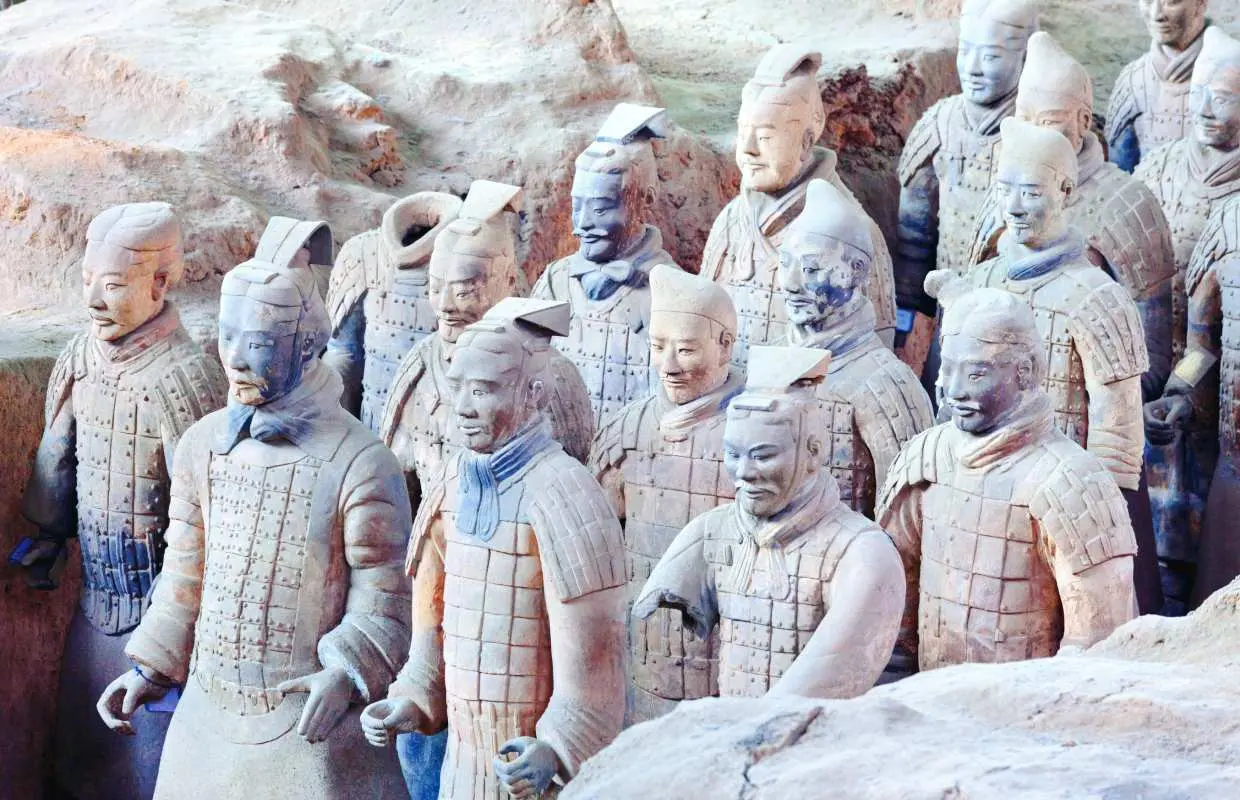
- Each terracotta warrior has a unique face and movement. They are majestic and powerful, as if they are ready to step onto the battlefield at any time. If you observe carefully, you will find the tiny differences between them. This is a masterpiece of the ancient ingenuity.
Attraction Tickets
| Ticket type | E-ticket (direct entry) |
| Exhibit type | Historical exhibits |
Product Info
The content of this product is provided by machine translation and may not reflect the actual information, please take this into consideration before booking.
- Ticket to the Emperor Qinshihuang's Mausoleum Site Museum (Terracotta Warriors) + Adult cultural and creative souvenir (Terracotta Warrior figurine)
The fee includes:
Tickets to the Museum of Qin Terracotta Warriors and Horses and the Qin Shihuang Mausoleum Site Park (Lishan Garden); cultural and creative souvenirs
Collection point: 30 meters from Pit 3 within the Terracotta Army Scenic Area (2nd floor of the Terracotta Army Replica Exhibition Hall).
Age: 16 years and older, but not older than 64 years (eligibility is based on the traveler's age on the date of travel; calculated from the date of birth).
Address: Ticket checkpoint inside the glass room under the "Eternal Love" billboard, 30 meters behind the Terracotta Warriors Parking Lot 1 (the statue in the dormitory).
Admission time (local time) 08:00~16:00
- Tickets to the Emperor Qinshihuang's Mausoleum Site Museum (Terracotta Warriors) + Chinese-speaking guided tour service for medium-sized groups
The price includes admission tickets to the Museum of Qin Terracotta Warriors and Horses and the Qin Shihuang Mausoleum Site Park (Lishan Garden).
Explanation equipment: Headphones provided;
Team Description: Group booking; Additional Information: Session times are between 9:00 AM and 4:00 PM; Duration of the presentation: Approximately 2 hours (Pit 1 + Pit 2 + Pit 3) - Qin Shihuang Mausoleum Museum (Terracotta Warriors+) Ticket + English-speaking group guided tour service
Guided tour route: Pit 1/2/3
Meeting point: Qin Shi Huang Statue, Lintong District, Xi'an; Meeting time (local time): 09:20-09:30; 13:50-14:00
- Qin Shihuang Mausoleum Site Museum (Terracotta Warriors+) Ticket + Japanese-speaking guided tour service. Tour route: Pit 1/2/3 or Pit 1/2/3 + Lishan Garden. Meeting point: Qin Shihuang Statue, Lintong District, Xi'an City. Meeting time (local time): 09:20~09:30; 13:50~14:00.
- The price includes admission to the Qin Shihuang Terracotta Warriors Museum and the Qin Shihuang Mausoleum Site Park (Lishan Garden).
Xi'an City - Emperor Qinshihuang's Mausoleum Site Museum (Terracotta Warriors) - Xi'an City
Meeting point: Xi'an Telegraph Building, No. 28 Xixin Street (near the Bell Tower)
The tour departs at 9:00 AM. Participants meet at the Xi'an Telegraph Building, No. 28 Xixin Street (near the Bell Tower) at 8:30 AM to proceed to the scenic area. The tour ends at the Terracotta Warriors at approximately 2:00 PM for the return trip, arriving back in Xi'an city around 3:00 PM.
The 10:30 departure time is from the Xi'an Telephone Building, No. 28 Xixin Street (near the Bell Tower), where the group will depart for the scenic area. Around 15:30, the group will meet at the Terracotta Warriors for the return trip, arriving back in Xi'an city around 16:30. The 13:00 departure time is from the Xi'an Telephone Building, No. 28 Xixin Street (near the Bell Tower), where the group will depart for the scenic area. Around 17:30, the group will meet at the Terracotta Warriors for the return trip, arriving back in Xi'an city around 19:00.
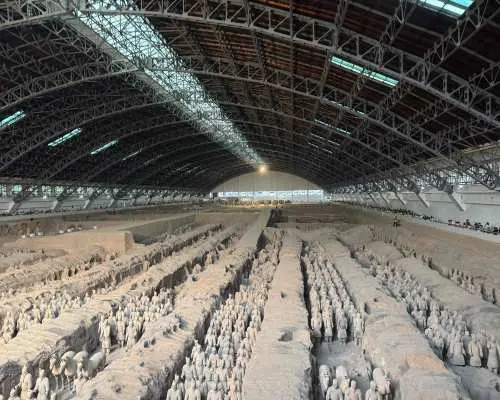
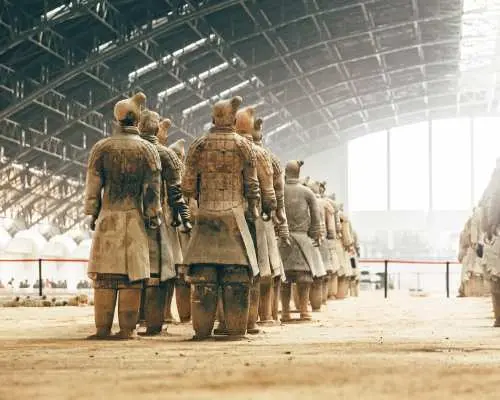
The Terracotta Army Museum, also known as the Terracotta Army or the Qin Terracotta Warriors, is a burial pit at the Mausoleum of Qin Shi Huang, often called the Eighth Wonder of the World. The over 1,000 terracotta warriors unearthed here, each with their own distinct and vivid expressions, are a jewel in the history of ancient Chinese sculpture. Qin Shi Huang Ying Zheng began construction of the mausoleum at the age of 13, employing nearly 720,000 men and taking 38 years to complete. Construction remained unfinished until the emperor's death. Legend has it that Qin Shi Huang expended countless manpower, material resources, and financial resources to construct a crypt for himself, with the Terracotta Army serving as its guardians. The Terracotta Army is a prime example and pinnacle of the practice of using figurines as human sacrifices. They closely resemble the real thing, possessing the qualities and characteristics of portraiture, yet surpass it in scale and grandeur, a factor in its breathtaking beauty. Among them, Pit No. 1 of the Terracotta Warriors and Horses is the earliest excavated and the largest one. You can see a huge army of terracotta warriors standing in the pit with different expressions. Every soldier is lifelike, from the armor to the expression, the weapons to the lines on the palms, all of which are amazing.


Experience Location
Location Name: Qin Shi Huang's Mausoleum Museum (Terracotta Warriors)
Address: Qinling North Road, Lintong District, Xi'anCancellation Policy
- Once the order has been completed, it cannot be canceled, modified, or refunded
- Due to time zone differences, the confirmed cancellation date is based on the supplier’s local time. Please allow 2–5 business days to process your cancellation request, after which the cancellation fee will be charged according to the product’s cancellation policy. Once the cancellation is confirmed, you will receive your refund within 14 working days.
FAQ
The Qin Shi Huang Terracotta Warriors and Horses Museum is situated in Lintong District, Xi'an, Shaanxi Province, China. It is approximately 1.5 kilometers east of the Mausoleum of the First Qin Emperor and about 40-50 kilometers east of Xi'an city center. Its remote location emphasizes the scale and importance of the ancient burial site.
Visitors can purchase tickets for the Terracotta Warriors and Horses Museum directly at the museum's entrance or conveniently pre-book them online. Pre-booking through platforms like KKday is often recommended, especially during peak seasons, as it ensures secured entry and provides a streamlined booking process, saving time upon arrival. Tickets typically grant access to all main exhibition pits.
A comprehensive visit to the Qin Shi Huang Terracotta Warriors and Horses Museum typically requires 3 to 4 hours. This duration allows ample time to thoroughly explore all three excavated pits (Pit 1, Pit 2, and Pit 3), visit the exhibition halls showcasing bronze chariots and other artifacts, and fully appreciate the intricate details of the thousands of unique terracotta figures.
Yes, a tour guide is highly recommended when visiting the Terracotta Warriors and Horses Museum. A knowledgeable guide can provide invaluable historical context, explain the strategic significance of the various military formations, highlight specific details of the warriors' craftsmanship, and share compelling stories about Emperor Qin Shi Huang and the discovery, greatly enhancing the overall experience of this UNESCO World Heritage site.
Visiting the Qin Shi Huang Terracotta Warriors and Horses Museum is a profoundly worthwhile experience due to its unparalleled historical and cultural significance. It offers a unique opportunity to witness the largest ancient military museum in China, marvel at thousands of individually crafted terracotta figures, and gain insight into the extraordinary aura of the First Emperor who unified China over two millennia ago. The sheer scale and intricate artistry are breathtaking.
From Xi'an city center, convenient transportation options to the Terracotta Warriors and Horses Museum include public buses, taxis, or private car services. The most common public transport method is taking Tourist Bus Line 5 (306) from Xi'an Railway Station, which offers a direct route and takes approximately one hour. Taxis or ride-sharing services provide a quicker, more direct journey, typically ranging from 45 to 60 minutes depending on traffic conditions.
Visitors to the Terracotta Warriors and Horses Museum can expect to see three primary excavation pits. Pit 1 is the largest and most impressive, showcasing a vast army of infantry and chariots. Pit 2 features cavalry, archers, and chariots, while Pit 3 is believed to be the command post. Additionally, the museum displays exquisitely preserved bronze chariots and individual terracotta figures, allowing a close look at the distinct expressions and poses of each warrior.
The Terracotta Warriors and Horses Museum holds immense historical significance as the funerary complex for Qin Shi Huang, the first emperor of unified China. It symbolizes his immense power and the ambition to maintain his empire in the afterlife. The discovery provides invaluable insights into the military, culture, and artistry of the Qin Dynasty, reflecting the colossal efforts and sophisticated organization involved in his reign and the unification of China over two thousand years ago.
Get Help


