



The seasons of Gwangju, capturing the moments
- Temple Healing Tour Amidst Stunning Autumn Scenery
- K-Drama & Korean Wave Landmark Tour
- Emotional Corners of Gwangju : Where History Meets Modern Life
Product Info
- Mudeungsan Wonhyo Temple
Wonhyo Temple, located in the Wonhyo Valley on the northern side of Mudeungsan Mountain, belongs to the Jogye Order of Korean Buddhism (21st district, affiliated with Songgwangsa Temple). It is situated in Geumgok-dong, Buk-gu, Gwangju.
Surrounded by beautiful natural landmarks such as Uisangbong, Yunpilbong, Tugubong, Cheonwangbong, and Wonhyobong, the temple boasts stunning scenic views.
It is believed that the temple was established during the reign of King Jijeung or King Beopheung of the Silla Dynasty (early to mid-6th century) and that the famous monk Wonhyo practiced asceticism here.
The temple was rebuilt several times during the Goryeo and Joseon dynasties. After being destroyed during the Korean War, restoration efforts began in the 1950s.
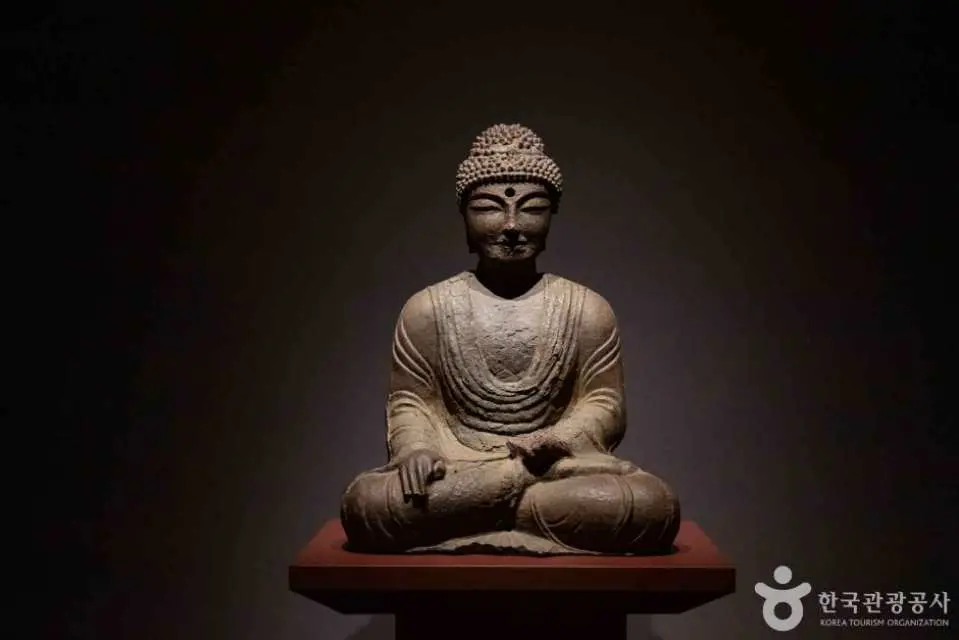
In the 1980s, while renovating the temple site, relics such as Buddhist statues and roof tiles from the Silla and Goryeo periods were discovered, leading to its designation as Gwangju’s Tangible Cultural Property No. 8.
Historical remains such as a Goryeo-era stone pagoda and the tomb of a mid-Joseon monk also remain on site.
Key structures include the Daeungjeon (Main Buddha Hall), Yaksa-jeon (Medicine Buddha Hall), Jijang-jeon (Bodhisattva Hall), Seongsan-gak, Gaesan-jo-dang, meditation halls, and monks’ quarters. The Daeungjeon is especially known for its traditional architecture and elegant hip-and-gable roof.
Below the temple lies Gwaneum-am Hermitage, originally a small retreat affiliated with Wonhyo Temple, featuring a Maitreya Buddha carved into natural rock, a three-tiered stone pagoda, and Geungnak-bojeon (Hall of Ultimate Bliss).
Along the path to the temple, visitors can also see Eosa Rock, linked to the legend of the government inspector Min Dal-yong.
In particular, Wonhyo Temple is renowned as a prime spot for autumn foliage, attracting many visitors each fall to enjoy the colorful leaves.
Mudeungsan Wonhyo Temple offers a tranquil and beautiful temple experience close to the city, blending nature, history, and Buddhist culture.
- Gwangju National Museum
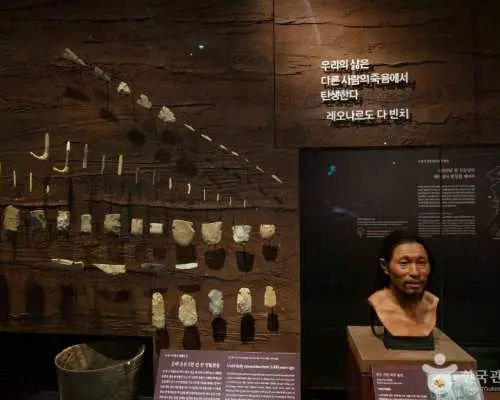
Opened in December 1978, the Gwangju National Museum was the first national museum established in the Honam region. It houses approximately 160,000 cultural artifacts, including the Shinan Undersea Cultural Heritage.
The museum takes pride in being the first regional national museum built by Korean hands after liberation.
It exhibits a wide range of national treasures and valuable artifacts through permanent and special exhibitions, broadly showcasing the region’s history and culture.
The museum also runs tailored educational programs and cultural events, creating an accessible space for all to experience culture and history.
The museum’s garden provides a serene and beautiful walking area where visitors can enjoy outdoor exhibits such as traditional tiled-roof houses, the Jangun-dong Five-Story Stone Pagoda, the Gangjin Celadon Kiln, and dolmens.
- Chonnam National University
Located in Gwangju, Chonnam National University is a prominent national university known for its beautiful natural surroundings and rich history.
One of its most famous attractions is the Metasequoia Road, loved throughout all four seasons and regarded as a signature landmark of the campus.
Chonnam National University is not only renowned for its beauty but also for its historical significance. Three buildings on campus have been recognized as modern cultural heritage and registered as national cultural properties.
The university is also well-known as a popular filming location for various Korean dramas:
Reborn Rich — Filming took place at the College of Education and College of Law, serving as a backdrop for key scenes.
Once Upon a Small Town (Netflix Original) — Scenes were shot at the College of Humanities and College of Pharmacy, enhancing the drama’s atmosphere.
- Gwangju Theater
Located in Dong-gu, Gwangju, on Chungjang-ro, Gwangju Theater is the only remaining single-screen cinema operating in South Korea.
Since opening in 1935, it has been cherished as a cultural space for nearly a century. Today, it retains its analog charm and operates as a unique venue.
Its historical value and distinct atmosphere earned it the role of “Cannes Theater” in the Netflix drama Once Upon a Small Town, where it served as a key setting that deepened the emotional impact of the story.
With vintage movie posters, an old-style auditorium, and an analog ticket booth, Gwangju Theater is more than a movie house — it’s a living piece of Korean film history and local culture.
Visit Gwangju Theater and immerse yourself in a cinematic experience that feels more like a story than a movie.
- Yangnim-dong Art Village
Located in Nam-gu, Gwangju, Yangnim-dong Art Village means “Sunlit Forest,” a neighborhood where history and culture coexist.
It is a unique area that showcases the aesthetics of alleys alive with art and history.
Yangnim-dong was settled by American and European missionaries during the late Joseon Dynasty and the Japanese colonial period, laying foundations for education, medical care, culture, and faith.
Here, missionary residences, modern architecture, and traditional hanok houses stand side by side, preserving traces of Korea’s difficult past.
One of the murals in the alleyways features a portrait of J-Hope, a member of BTS who hails from Gwangju. This mural has become a popular spot attracting fans worldwide and symbolizes the meeting of art and pop culture.
Yangnim-dong Art Village is a place where past and present, art and life meet. Walking through it, you can encounter history, feel the pulse of art, and discover the footprints of K-pop stars. Experience this special neighborhood yourself.
Seoul Departure l The seasons of Gwangju, capturing the moments


Busan Departure l The seasons of Gwangju, capturing the moments


Mudeungsan Wonhyo Temple


Gwangju National Museum

Chonnam National University


Gwangju Theater


Yangnim-dong Art Village


Purchase Notice
Tour Schedule Notice
The schedule and timing provided for this tour are for reference only. The guide reserves the right to adjust the order and duration of the itinerary based on local weather conditions, traffic, and other factors.
We kindly ask for your understanding in this matter.
- Preparation for the Tour Day
- On the day of departure, please be sure to present your original passport and the KKday electronic voucher to the guide at the meeting point.
- The type of vehicle used may vary depending on the number of participants.
- If you fail to arrive at the meeting point by the designated time, your absence will be considered a voluntary cancellation, and no refund will be provided.
- Important Notes for Participation
- Participation in the entire itinerary, including all vehicle transfers, is mandatory. Leaving the tour midway or joining only part of the schedule is not allowed for safety reasons.
- Please provide a messenger ID (e.g., Line, WeChat, WhatsApp, or KakaoTalk) where you can be contacted when making your reservation.
* If we cannot reach you on the tour day due to missing contact information, participation will be denied, and no refund will be issued. - Please understand that the itinerary may change due to local circumstances.
- Additional Fees and Other Information
- This tour service includes a total of 14 hours (guide and vehicle included).
* If you exceed the allotted time, an additional fee of KRW 40,000 per hour will apply, payable in cash on-site. - Infant car seats are not provided. If you require a stroller or wheelchair, please make a prior request. However, please note that limited vehicle space may restrict their use.
- Carrying large luggage (such as suitcases) in the vehicle is not allowed. Please keep this in mind when making your reservation.
Reminders
A minimum of 4 traveler(s) are required for the tour to depart. If the number of participants does not reach the minimum requirement, the tour will be canceled. An email regarding tour cancellation will be sent 2 day(s) before the departure date
Please arrive at the designated location 5 minute(s) before the scheduled departure time, as the tour will depart on time
📌 Holidays / Closed Days : Gwangju National Museum is closed on January 1st, the day of Lunar New Year and Chuseok, and the first Monday of April and November.
FAQ
The BTS J-Hope mural is a highlight within the artistic alleyways of Yangnim-dong in Gwangju. This area is known for its blend of historical architecture and modern cultural expressions, including various murals. Visitors can easily find this specific mural while exploring the vibrant and emotionally resonant corners of Yangnim-dong.
Gwangju boasts several locations featured in popular K-dramas and Netflix series. Travelers can explore the backdrops for shows like "Reborn Rich," "Once Upon a Small Town," and "Money Heist: Korea." These sites provide an immersive experience for fans to connect with their favorite dramas and the city's role in the Korean Wave.
Traveling from Seoul to Gwangju by KTX (Korea Train eXpress) typically takes approximately 1.5 to 2 hours, offering the fastest travel time. For those preferring bus travel, an intercity bus journey can range from 3.5 to 4 hours, depending on traffic conditions. Both options provide direct routes to Gwangju.
Gwangju offers convenient public transportation options for navigating the city. It has a subway system with one main line that connects significant areas. Additionally, an extensive city bus network covers most destinations, providing an affordable and accessible way to explore Gwangju. Taxis are also widely available for more direct routes.
Yes, Gwangju has a functional subway system, known as the Gwangju Metro. It comprises a single line that efficiently links various key locations across the city, including the Gwangju Songjeong KTX Station, major shopping districts, and cultural sites. It's a popular and straightforward method for urban travel.
The KTX (Korea Train eXpress) journey between Gwangju Songjeong Station and Seoul Station typically takes between 1 hour 30 minutes to 2 hours. This high-speed rail service provides a quick and comfortable connection, with frequent departures throughout the day, making it an efficient way to travel between the two cities.
The ideal time to witness the spectacular autumn foliage at Jeungsimsa and Wonhyo-sa temples in Gwangju is generally in November. During this period, the temples' scenic surroundings are transformed by vibrant red, orange, and gold leaves, creating a breathtaking and serene atmosphere perfect for a temple healing tour.
The Gwangju Theater stands as a distinctive cultural landmark because it is Korea's only remaining single-screen cinema. It has been preserved and creatively reinterpreted in various K-dramas, often appearing as the "Cannes Theater." Visiting offers a unique glimpse into traditional Korean cinematic history and its presence in contemporary pop culture.
Get Help


