


Japanese Izakaya Experience in Kagawa, Shikoku, Japan|Kagawa Dishu Kawazuru & BBQ Chicken
- When traveling to Japan, you must not miss visiting a Japanese izakaya to experience local food.
- Taste the king of broiler chickens. Broiler chickens raised for more than 400 days have solid meat texture and mellow taste.
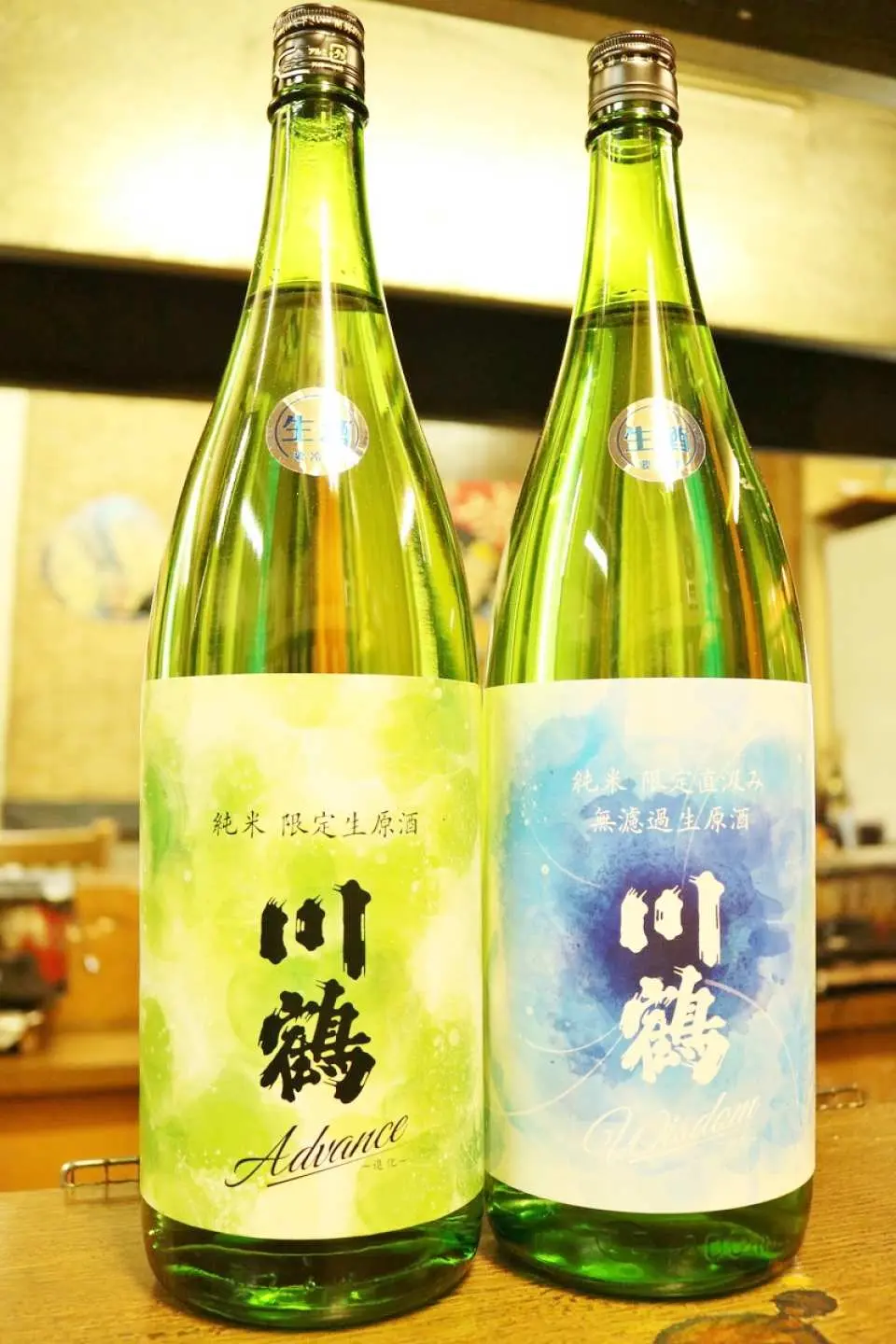
- Carefully selected Japanese sake, enjoy the exquisite taste of two Kagawa Prefecture local fine wines "Kawazuru" at one time
Product Info
What You Can Expect
1 Day
- Enjoy Kagawa Prefecture's local wine "Kawazuru"
- Breeding chickens that have been raised for more than 400 days, the meat is solid and has a mellow taste.
- Grill your own fresh chicken on the charcoal stove
- Eat the roasted bird and BBQ, taste the local wine


Purchase Notice
- Package contents and pictures are for reference only. The restaurant will select the freshest and seasonal ingredients to prepare dishes according to the season. Please refer to the actual content on that day.
- Minors and those who do not drink Japanese sake can choose other alcoholic beverages or 2 non-alcoholic drinks (same fee).
Includes/Excludes
Reminders
Japanese restaurants strictly abide by the time reservation system. Anyone who is more than 10 minutes late will be deemed to have given up the reservation.
Package contents and pictures are for reference only. The restaurant will select the freshest and seasonal ingredients to prepare dishes according to the season. Please refer to the actual content on that day.
Japanese law stipulates that adults aged 20 and above can consume alcoholic beverages. Underage passengers and those who do not drink Japanese sake can choose other alcoholic beverages or 2 non-alcoholic drinks instead.
How to Redeem Your Voucher
How to Use Your Voucher
- Please present the e-voucher on-site
Experience Location
Location Name: めんめ焼き とさか(tosaka)
Address: 760-0040 6-1 Katahara-machi, Takamatsu City, Kagawa Prefecture Katahara-machi Hall 1F
Monday 17:30–23:00
Tuesday 17:30–23:00
Wednesday 17:30–23:00
Thursday 17:30–23:00
Friday 17:30–23:00
Saturday 17:30–23:00
Sunday Closed

Cancellation Policy
- Cancellations 2 day(s) (inclusive) before the selected date are allowed. Unused orders can be canceled for free
- For cancellations made 1 to 1 days prior to selected date, a cancellation fee of 70% will apply
- Cancellation is not allowed between 0–0 days from the selected date. Orders cannot be canceled or modified, and refunds will not be granted.
- Due to time zone differences, the confirmed cancellation date is based on the supplier’s local time. Please allow 2–5 business days to process your cancellation request, after which the cancellation fee will be charged according to the product’s cancellation policy. Once the cancellation is confirmed, you will receive your refund within 14 working days.
FAQ
A Japanese izakaya is a casual establishment that serves alcoholic beverages and a wide variety of small, shareable dishes, much like a Japanese-style pub. The dining style emphasizes a relaxed, social atmosphere where friends, family, or colleagues can gather after work to unwind, converse, and enjoy numerous plates of food and drinks together.
In Kagawa, a typical izakaya dining experience features a lively and welcoming atmosphere. Guests can expect to order various local dishes, such as grilled chicken specialties like honetsukidori, and enjoy them alongside regional sake, including Kagawa's local Kawazuru. The experience centers around sharing diverse food items, engaging in conversation, and savoring local flavors in a casual setting.
A Japanese izakaya is widely considered a casual dining environment. It is not a place for formal meals or strict etiquette, but rather a relaxed and convivial space for socializing. Patrons typically dress casually, and the atmosphere is usually bustling with conversation, laughter, and the sounds of clinking glasses, fostering an approachable and comfortable dining experience.
Key etiquette at a Japanese izakaya includes waiting to be seated and ordering drinks relatively quickly upon arrival, often starting with a toast like 'Kanpai!' with your group. It's customary to share food from common plates and use the provided oshibori (wet towel) to clean your hands, not your face. While lively, avoid being excessively loud, and be mindful of your table time if others are waiting.
Tipping is not customary or expected when dining at a Japanese izakaya, nor is it generally practiced in most service industries across Japan. The service charge is usually included in the overall pricing, and exceptional service is considered standard. Attempting to leave a tip may cause confusion or be politely declined by the staff.
At a Japanese izakaya in Kagawa, guests can enjoy signature grilled chicken dishes, most notably 'honetsukidori,' a local specialty featuring bone-in chicken leg. Other options often include various yakitori skewers, such as thigh, skin, or liver, all expertly grilled over charcoal for rich, smoky flavors. The experience often highlights broiler chickens raised for over 400 days, known for their firm texture and mellow taste.
Kagawa's local sake, Kawazuru, stands out as a distinctive choice at an izakaya due to its unique regional character and exquisite taste, rooted in Kagawa Prefecture's specific brewing techniques and ingredients. Enjoying Kawazuru allows patrons to fully immerse themselves in the local culinary scene, as its profile is crafted to perfectly complement the regional dishes, particularly the grilled specialties available at izakayas.
Beyond chicken and sake, Japanese izakayas in Shikoku often feature a variety of other local delicacies. These commonly include fresh seafood from the Seto Inland Sea, such as various sashimi preparations or grilled fish. Guests can also expect to find local vegetables prepared in unique ways, regional pickles, and specialty dishes like Kagawa's famous Sanuki Udon, offering a broader taste of Shikoku's culinary heritage.
Get Help


