



[Yilan Traditional Market Cultural Guide] Market Food Treasure Hunt Tour
- Visit the Yilan market and travel with your taste buds!
- Enter the world of craftsmen and experience the charm of traditional culture!
- Handmade herbal sachets, bring the flavor of Yilan home!
- A deep journey of smell, capturing the flavor of Yilan!
Package Options
Product Info
What You Can Expect
1 Day
- 09:30Yilan Performing Arts Hall
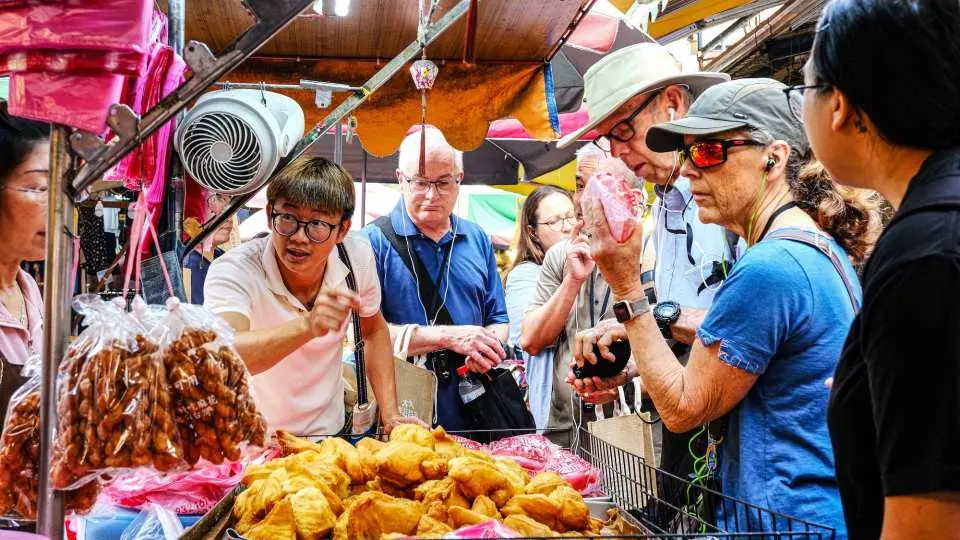
- Food treasure hunt at Nanguan Market (approximately 90 minutes stay)
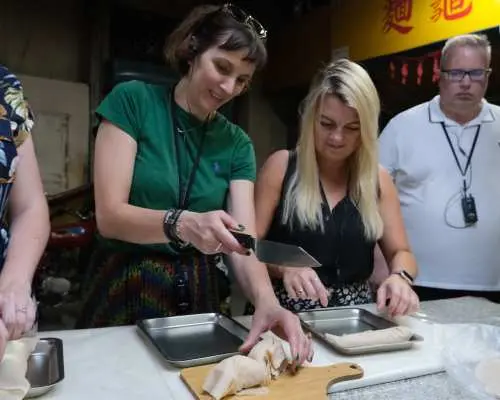
- 11:30DIY experience (different DIY experiences depending on the package)
- DIY experience (different DIY experiences depending on the package)
- 12:00Hidden lunch at the market


Important Info
Reminders
A minimum of 5 traveler(s) are required for the tour to depart. If the number of participants does not reach the minimum requirement, the tour will be canceled. An email regarding tour cancellation will be sent 2 day(s) before the departure date
Please arrive at the meeting point at least 10 minutes before the meeting time to avoid delays.
This tour is a walking tour, please wear comfortable cloth shoes.
This tour includes lunch. Please inform us of any special dietary requirements (vegetarian/vegetarian) when booking.
Please do not leave the group on your own during the tour. If you leave the group or leave without permission, it will be deemed as automatically giving up the experience.
How to Redeem Your Voucher
How to Use Your Voucher
- Please present the e-voucher on-site
Meeting Point
Location Name: Yilan Performing Arts Hall
Address: No. 482, Section 2, Zhongshan Road, Yilan City, Yilan CountyCancellation Policy
- Cancellations 8 day(s) (inclusive) before the selected date are allowed. Unused orders can be canceled for free
- For cancellations made 4 to 7 days prior to selected date, a cancellation fee of 50% will apply
- Cancellation is not allowed between 0–3 days from the selected date. Orders cannot be canceled or modified, and refunds will not be granted.
- Due to time zone differences, the confirmed cancellation date is based on the supplier’s local time. Please allow 2–5 business days to process your cancellation request, after which the cancellation fee will be charged according to the product’s cancellation policy. Once the cancellation is confirmed, you will receive your refund within 14 working days.
FAQ
The Yilan Traditional Market offers a fascinating blend of Taiwanese daily life and unique Japanese street design, particularly in its North Hall. Visitors can explore the South Hall for a vibrant array of fresh local ingredients, encounter traditional craftsmen showcasing their skills, and engage in cultural activities like making handmade herbal sachets. It provides a deep dive into Yilan's local heritage and sensory experiences beyond just food.
Unlike a bustling night market primarily focused on late-night street food and entertainment, the Yilan Traditional Market, especially the South Hall, operates mainly from morning to afternoon as a local hub for fresh produce and daily necessities. The North Hall offers a quieter, redesigned experience with traditional shops and a distinct Japanese street aesthetic, providing a cultural journey rather than just a quick food stop.
When trying food at the Yilan Traditional Market, it's generally good etiquette to finish your meal to show appreciation for the vendor's efforts and to avoid waste. While the atmosphere is casual, try to avoid making excessive noise or leaving a mess. If eating at a stall, it's customary to return your dishes to a designated area or hand them back to the vendor when you're finished.
To ensure a pleasant food experience at Yilan Traditional Market, prioritize vendors with high customer turnover, as this often indicates fresh ingredients. Observe the vendor's hygiene practices: ensure food is cooked thoroughly, served hot, and that utensils appear clean. It is generally advisable to avoid raw or undercooked items, and opt for bottled water for drinking. Trust your senses—if food looks or smells unappealing, it’s best to avoid it.
In Taiwan, while it's common to purchase street food, eating while actively walking through crowded areas like the Yilan Traditional Market is generally less prevalent compared to some Western cultures. Many locals prefer to find a spot to stand or sit to enjoy their meal, often near the food stall or in a designated eating area, to avoid jostling others or accidentally dropping food.
To reach the Yilan Traditional Market, travelers can take a train to Yilan Station. From Yilan Station, the market is typically within a short walking distance or a quick taxi ride. Local bus services also operate throughout Yilan City, with various routes offering convenient stops in the vicinity of the market area. Checking local bus schedules for the most direct route from your starting point is advisable.
The North Hall Market within Yilan Traditional Market was intentionally redesigned by a designer from Kyoto University to evoke a Japanese shopping street ambiance. This unique transformation includes the addition of characteristic eaves and a visual unification of shop signboards. This design approach creates a coherent, aesthetically pleasing environment reminiscent of traditional Japanese market alleys, setting it apart from typical Taiwanese market layouts.
Beyond its diverse culinary offerings, the Yilan Traditional Market provides opportunities to explore traditional craftsmanship and engage in cultural activities. Visitors may find local artisans demonstrating their skills, offering insights into traditional techniques. A notable and unique experience often available is the creation of handmade herbal sachets, allowing visitors to craft and take home a tangible piece of Yilan's distinctive aromatic heritage and culture.
Get Help


