



【Japan Shine Tour】Authentic Tokyo Sumo Morning Training Tour|Professional Reporter Guide + Photo Experience
- All tours will be accompanied by an interpreting guide
- A professional sumo reporter will accompany you to explain the traditional Japanese culture "SUMO" in detail
- Watch sumo wrestlers' morning training up close and experience the culture of Japan's national sport
- A professional sumo journalist will accompany you to give you a detailed understanding of sumo history and etiquette, and you will be accompanied by a guide with an interpreter
- Visit Ryogoku Kokugikan and see real sumo wrestling rings and facilities up close
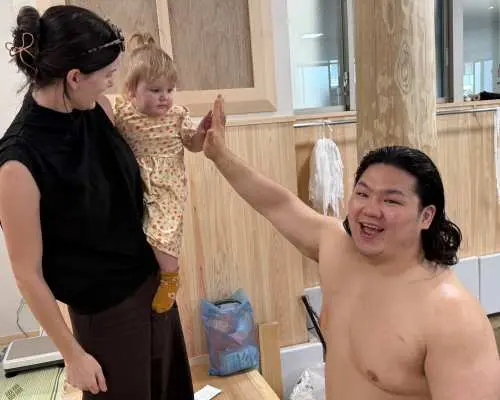
- Take a photo with Lux and capture the unforgettable cultural experience
Package Options
Attraction Tickets
| Tour types | Guided tour |
| Transport convenience | Near bus stop, Near city center |
| Show type | Sumo watching |
Product Info
What You Can Expect
1 Day
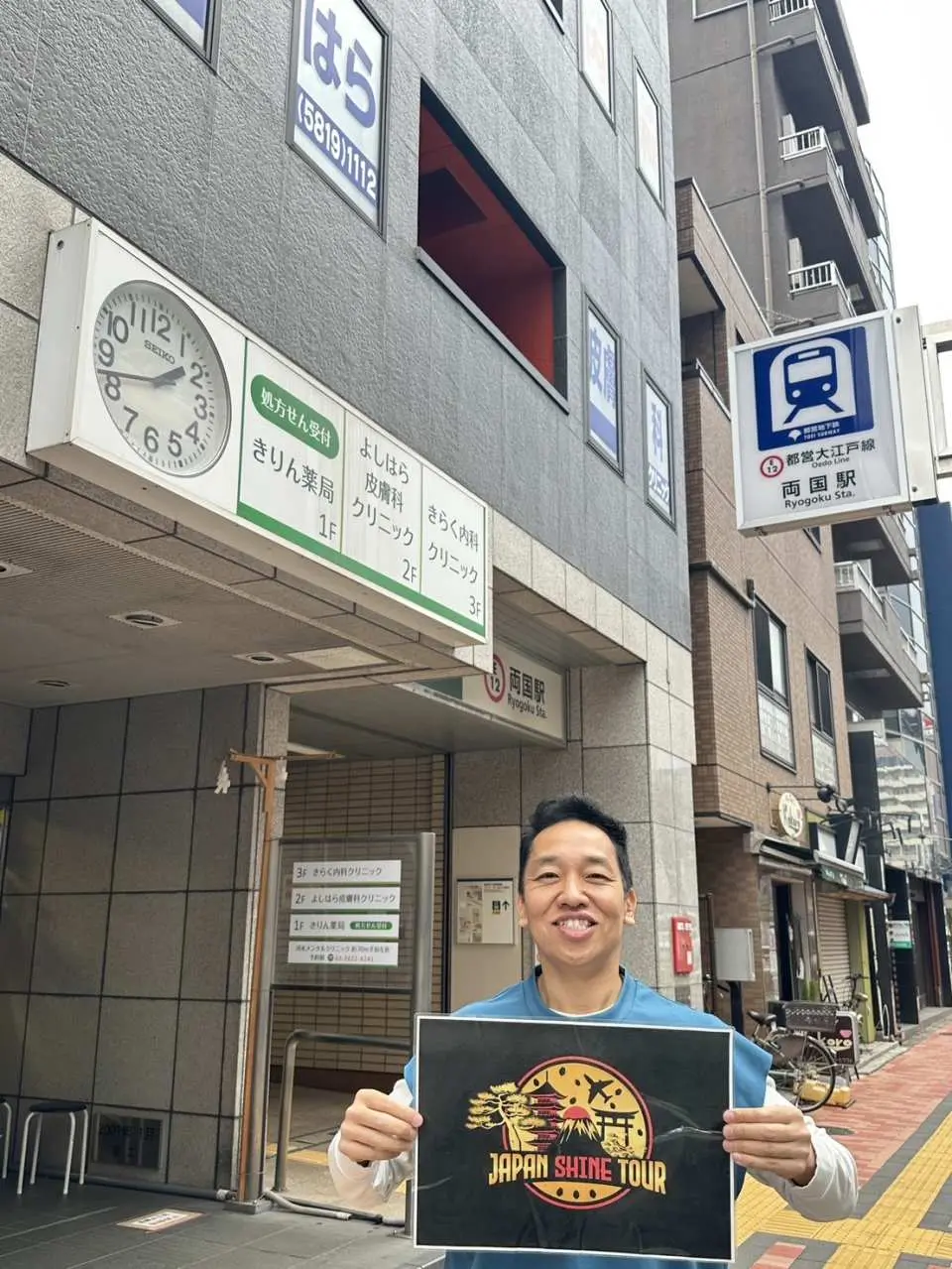
- Meet at 7:30
- Watch the morning training of sumo wrestlers in a sumo wrestling house (1-2 hours)
- Take individual photos with the wrestlers
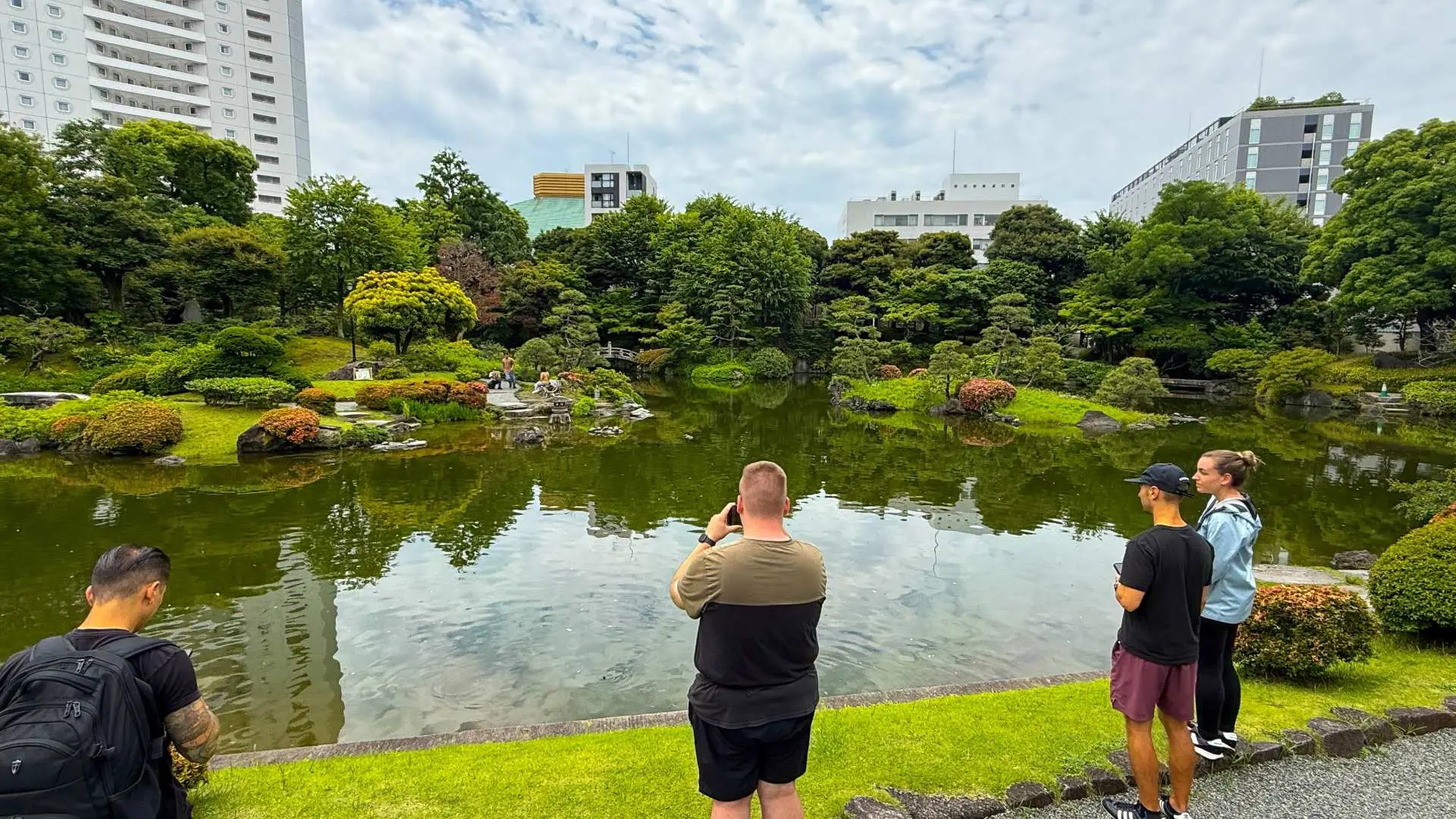
- On the way to Ryogoku Kokugikan (Sumo Stadium), you can also stop by the lush Japanese garden.
- Move to Ryogoku Kokugikan (Sumo Stadium) and see the real dohyo (ring) etc.
- Professional journalists conduct Q&A and sumo commentary
- 10:00~11:00 Dismissed




Important Info
Includes/Excludes
Reminders
Please arrive at the designated location 5 minute(s) before the scheduled departure time, as the tour will depart on time
The sumo house is not a tourist facility, but a place where serious training takes place. Please keep quiet while visiting. If you must make or receive a phone call, please do so outside the sumo house.
You can use the toilet or rest outdoors during the tour. Please ask the tour guide if you need to.
You need to take off your shoes and sit on a cushion or chair on the ground. You are not allowed to straighten your legs and put the soles of your feet against the pulley.
Please be advised that you cannot enter the sumo ring.
Pets are not allowed.
Failure to comply with the above rules may result in you being asked to leave the venue without re-entry or refund of fees.
How to Redeem Your Voucher
How to Use Your Voucher
- Please present the e-voucher on-site
Validity Period
- The voucher must be used on the selected date and within operating hours; Invalid after expiration
Experience Location
Location Name: 1-8-5 Kamezawa, Sumida-ku, Tokyo
Address: 1-8-5 Kamezawa, Sumida-ku, Tokyo
Meeting time: 7:30
Cancellation Policy
- Cancellations 4 day(s) (inclusive) before the selected date are allowed. Unused orders can be canceled for free
- Cancellation is not allowed between 0–3 days from the selected date. Orders cannot be canceled or modified, and refunds will not be granted.
- Due to time zone differences, the confirmed cancellation date is based on the supplier’s local time. Please allow 2–5 business days to process your cancellation request, after which the cancellation fee will be charged according to the product’s cancellation policy. Once the cancellation is confirmed, you will receive your refund within 14 working days.
FAQ
During a Tokyo sumo morning training session, you can observe the intense daily practice of sumo wrestlers, known as keiko. This includes fundamental exercises like shiko (leg stomps), teppo (pushing against a post), and various grappling techniques. You will witness their dedication and strength firsthand as they prepare for tournaments, often performed in a disciplined and silent atmosphere within the stable, offering a profound insight into their world.
Morning training sessions for sumo stables typically begin early, often around 7:00 AM to 8:00 AM, and can last for several hours. The most active observation period is usually in the morning, which is when tours are scheduled. Since stable visit schedules can vary and are often arranged in advance, participating in an organized tour ensures you visit at an appropriate time to witness the full training intensity.
A Tokyo sumo stable visit offers an intimate glimpse into a cherished Japanese tradition rarely seen by outsiders. You'll gain a deep appreciation for sumo's rich history, strict etiquette, and the rigorous discipline of the wrestlers. The unique opportunity to observe their intense keiko up close, often with expert commentary, provides an unparalleled cultural immersion beyond typical tourist experiences, connecting you directly with Japan's national sport.
A Tokyo sumo stable tour typically includes observing a live morning training session, accompanied by an interpreting guide. A professional sumo reporter often provides detailed explanations of sumo history, rules, and etiquette. Some tours may also include a visit to the nearby Ryogoku Kokugikan, where you can see the sumo wrestling rings and facilities, and offer a photo opportunity with a sumo wrestler, creating a memorable cultural experience.
Sumo stables in Tokyo are primarily concentrated in the Ryogoku district, which is considered the spiritual home of sumo wrestling. This area is where many stables are established, allowing for close proximity to the Ryogoku Kokugikan, the main sumo arena. Visitors usually gather in this general vicinity for stable tours and morning training observations, as it offers the best chance to immerse oneself in sumo culture.
A typical sumo morning training session, known as keiko, can last anywhere from two to three hours. Wrestlers often begin with warm-ups and basic drills, gradually progressing to more intense sparring and strength-building exercises. The duration can vary slightly depending on the stable and the training schedule for that day, ensuring a thorough and rigorous practice that visitors can observe during a tour.
During a Tokyo sumo stable morning practice, you can observe fundamental training exercises essential to sumo. These include shiko (leg stomps to build lower body strength and flexibility), teppo (pushing with hands against a pillar to refine thrusting techniques), and various forms of grappling, pushing, and throwing drills. Wrestlers also practice suri-ashi (sliding footwork) and intense mock bouts called mokushiai, showcasing their agility and power.
The typical daily routine of sumo wrestlers begins very early, with the youngest or lowest-ranked wrestlers waking first to start chores and training. Morning training, or keiko, is the core activity, lasting several hours. After training, wrestlers traditionally have their first meal, a large lunch of chanko-nabe. The afternoon may involve resting, running errands, or further duties within the stable. This disciplined schedule is central to their lifestyle.
Get Help


