
![[BTO-Exclusive] Ulsan/Yangsan One Day Tour](https://image.kkday.com/v2/image/get/c_fill%2Ch_800%2Cq_55%2Ct_webp%2Cw_1240/s1.kkday.com/product_282446/20250407074456_WVlB7/jpg)
![[BTO-Exclusive] Ulsan/Yangsan One Day Tour](https://image.kkday.com/v2/image/get/c_fill%2Ch_400%2Cq_55%2Ct_webp%2Cw_500/s1.kkday.com/product_scm_10855/20260406031425_OoxvX/jpg)
![[BTO-Exclusive] Ulsan/Yangsan One Day Tour](https://image.kkday.com/v2/image/get/c_fill%2Ch_400%2Cq_55%2Ct_webp%2Cw_500/s1.kkday.com/product_scm_10855/20260406031425_4QEBN/jpg)
[BTO-Exclusive] Ulsan/Yangsan One Day Tour
- Round-trip transportation from Busan included for a hassle-free experience
- Enjoy a scenic coastal cruise along Ulsan’s shoreline Visit Taehwagang National Garden, famous for its bamboo forest and riverside walks
- Explore Tongdosa Temple, a UNESCO World Heritage Site
- Experience a perfect mix of nature, culture, and unique industrial landscapes
- Ideal day trip option for travelers looking to explore beyond Busan
Package Options


Product Info
Escape the city and discover the diverse charms of Ulsan and Yangsan on a comfortable day trip from Busan.
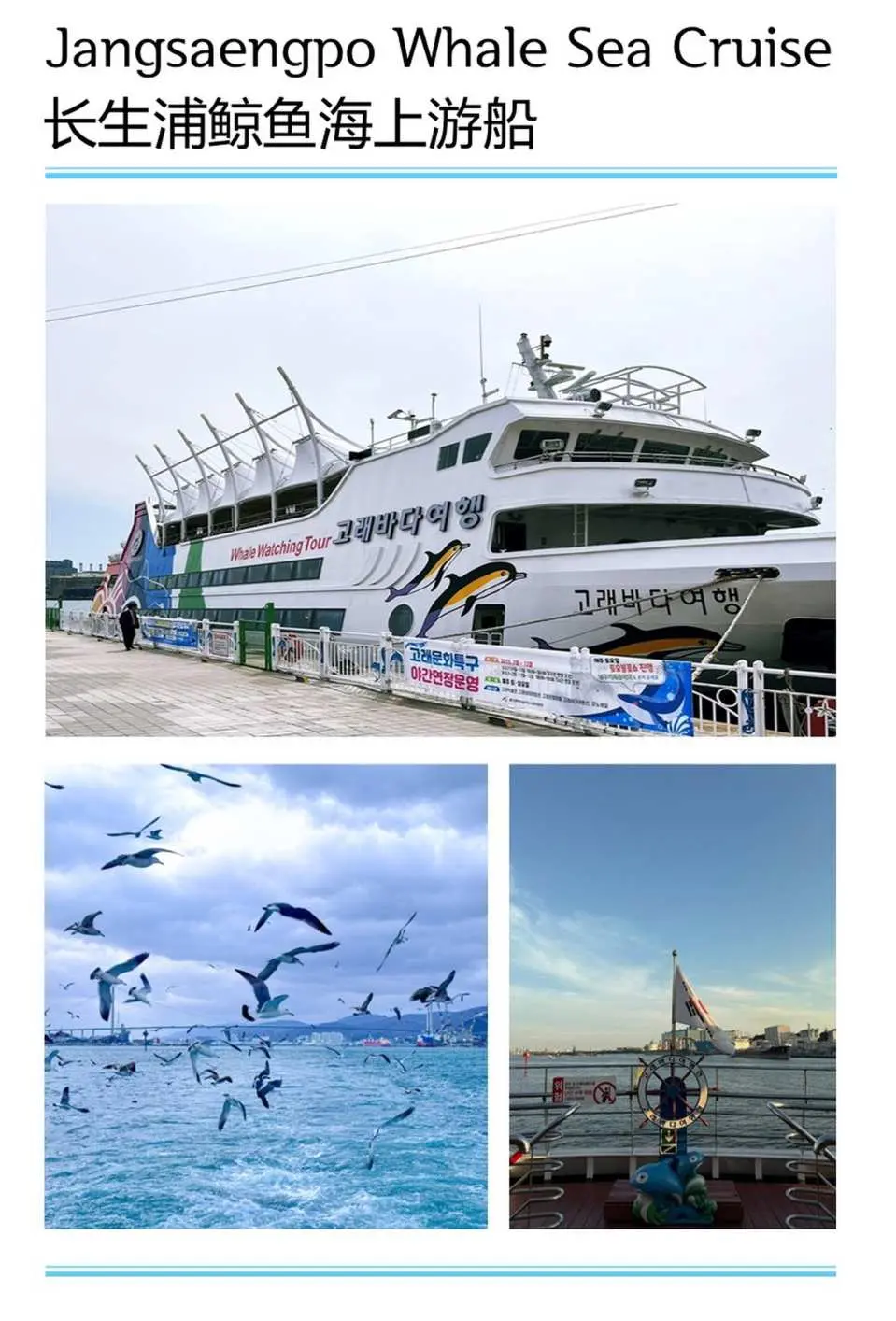
Start your journey with a scenic cruise from Jangsaengpo Port, where you can enjoy wide-open ocean views along Ulsan’s coastline. As Korea’s leading industrial city, Ulsan offers a unique contrast between natural seaside landscapes and large-scale industrial complexes—creating a distinctive view you won’t find anywhere else.
Continue to Taehwagang National Garden, Korea’s second national garden, where you can take a relaxing walk along the river surrounded by bamboo forests and seasonal greenery. This peaceful urban garden is the perfect place to unwind and reconnect with nature.
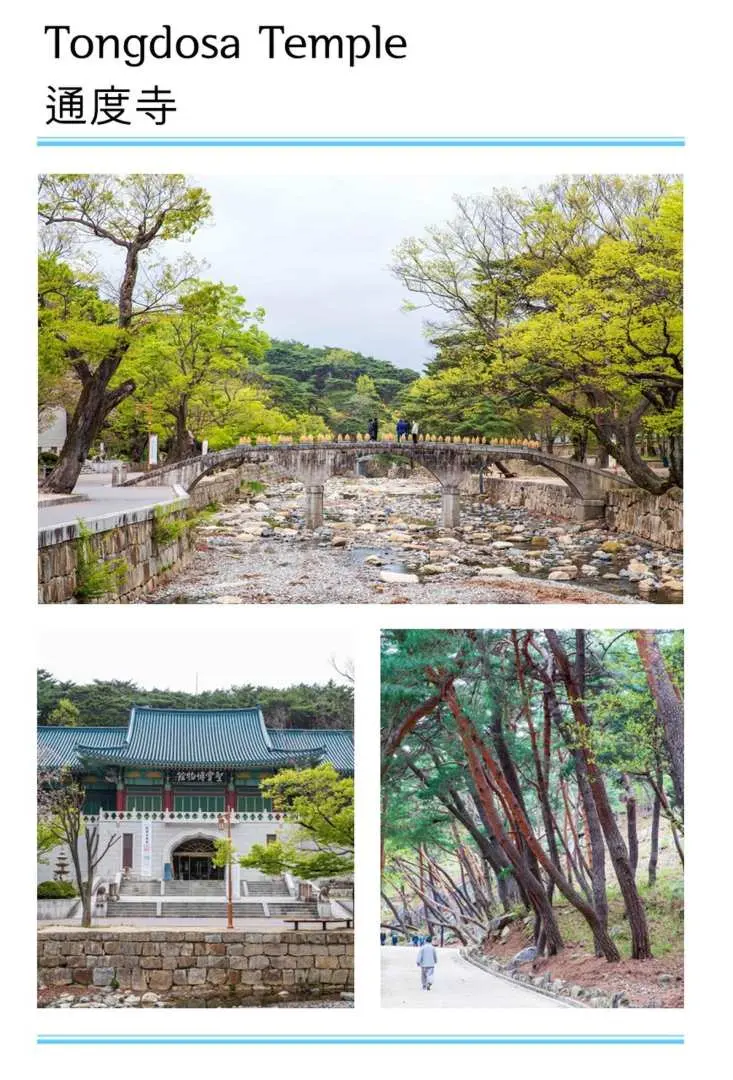
End your day at Tongdosa Temple, a UNESCO World Heritage Site and one of Korea’s most important Buddhist temples. With its serene atmosphere, traditional architecture, and forest paths, it offers a meaningful glimpse into Korea’s spiritual heritage.
With round-trip transportation included, this well-paced itinerary allows you to experience coastal scenery, nature, and cultural heritage—all in one day.






Important Info
Reminders
A minimum of 10 traveler(s) are required for the tour to depart. If the number of participants does not reach the minimum requirement, the tour will be canceled. An email regarding tour cancellation will be sent 2 day(s) before the departure date
In case of delays caused by traffic, weather, or other force majeure factors resulting in the cancellation of some itinerary attractions, please contact customer service. We will arrange a partial refund for you
Please arrive at the designated location 10 minute(s) before the scheduled departure time, as the tour will depart on time
If the number of total participants is less then 10, your booking will be canceled and the payment will be fully refunded before the tour.
When making a reservation, be sure to include a phone number where you can be reached or an ID such as a message app (KakaoTalk, LINE, Whatsapp).
Schedule is subject to change depending on the situation on the day.
⚠️ All our tours do not include personal travel insurance. Outdoor activities present specific risks and hazards. Guests must assess their own health or abilities. before participating. The Company is not responsible for any physical damage or injury caused by accidents or unforeseen factors
FAQ
When visiting Tongdosa Temple, it is respectful to wear modest attire. This generally means covering your shoulders and knees. Avoid overly revealing clothing. When entering temple halls, remember to remove your shoes. Maintain a quiet and calm demeanor, especially in prayer areas, and be mindful of ongoing ceremonies or worshippers to preserve the peaceful atmosphere.
To fully experience Tongdosa Temple's cultural and spiritual ambiance, take time to explore its ancient halls and pagodas, observing the intricate Buddhist art and architecture. Engage in quiet reflection amidst the serene mountain surroundings, which are integral to the temple's spiritual environment. Walking the peaceful paths and appreciating the natural beauty helps connect with its deep historical and religious significance.
Tongdosa Temple is unique among Korean temples as it does not house a Buddha statue in its main Dharma hall. Instead, it enshrines the sarira (relics) of the Buddha, brought from Tang China by Master Jajang in 646 CE. This makes it one of Korea's Three Jewel Temples, representing the Buddha, and a profoundly sacred site due to its direct connection to the historical Buddha.
Amethyst Cavern Park in Ulsan offers a unique experience within a natural amethyst mine. Visitors can explore the illuminated caverns, marveling at the sparkling amethyst crystals embedded in the rock walls. The park often features various themed zones, exhibits on amethyst mining, and sometimes even an underground lake or waterfall, creating a magical and educational subterranean adventure.
Eonyang Fortress is a historical site from the Joseon Dynasty, significant for its well-preserved stone walls and strategic location. It served as a key defensive structure in the region. Visitors can walk along the peaceful stone walls, enjoying scenic views and experiencing a tangible connection to Korea's rich past. The fortress offers insight into ancient Korean military architecture and local history.
During a day tour, travel times between these attractions are generally manageable. From Tongdosa Temple to Amethyst Cavern Park, the drive typically takes around 20-30 minutes. The journey from Amethyst Cavern Park to Eonyang Fortress is usually shorter, approximately 10-15 minutes. These relatively short distances allow for comfortable transitions and ample time at each site.
While public transportation like local buses is available in the Ulsan/Yangsan area, reaching individual attractions like Tongdosa Temple can be time-consuming and may involve transfers. For a more convenient and efficient travel experience, especially when visiting multiple sites on a day tour, organized transportation is often recommended to maximize sightseeing time and minimize travel complexities.
Tongdosa Temple is nestled within the beautiful Yeongchuksan Mountain, offering a serene and picturesque natural environment. The surrounding forests, streams, and mountain vistas contribute significantly to its spiritual atmosphere, providing a tranquil backdrop for contemplation and appreciation of nature. This natural setting is key to the temple's designation as a UNESCO World Heritage site.
Get Help


