



[Japan Wellness] Zen Meditation & Bamboo Temple in Kamakura
Kamakura is an historic city connected deeply to the spiritual tradition of Zen. Powerful samurai clans worshipped at Zen temples during the Kamakura period, making it a center for Zen practice. The city's serene temples and gardens embody Zen principles, offering visitors a peaceful and contemplative experience.
Tour Highlights
- Find inner peace as you practice Zazen with a Buddhist priest at the historic Hokaiji Temple. Our guide will interpret the priest's explanations into English.
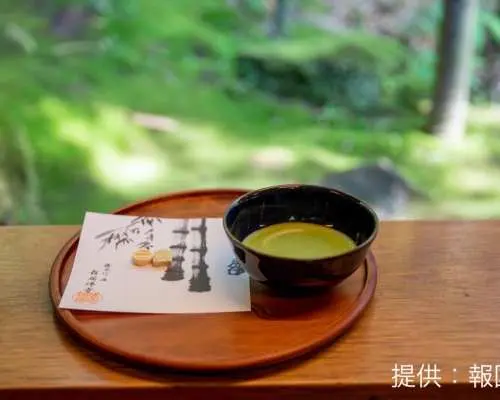
- Experience the scenic tranquility at this temple, which is renowned for its serene bamboo grove. Enjoy sipping a cup of matcha surrounded by towering bamboo trees.
- Enjoy a delicious and healthy lunch of shojin ryori (Buddhist vegan cuisine)
Sightseeing Tours
| Tour Type | Shared tour, Small Group |
| Minimum participant requirement | 2 travelers |
| Tour types | Guided tour |
| Meal arrangement | Lunch included |
| Sightseeing type | Temples & shrines |
| Transport | Walking |
Product Info
Purchase Notice
Cancellation Policy
- Once the order has been completed, it cannot be canceled, modified, or refunded
- Due to time zone differences, the confirmed cancellation date is based on the supplier’s local time. Please allow 2–5 business days to process your cancellation request, after which the cancellation fee will be charged according to the product’s cancellation policy. Once the cancellation is confirmed, you will receive your refund within 14 working days.
FAQ
The most convenient way to travel from Tokyo to Kamakura is by train. You can take the JR Yokosuka Line directly from major stations like Tokyo Station, Shinagawa, or Yokohama to Kamakura Station. The journey typically takes about 55 to 60 minutes, offering a smooth and scenic ride to begin your spiritual journey.
Yes, a Suica card is widely accepted for local transportation in Kamakura. You can use it on JR lines, the scenic Enoden railway, and local buses throughout the city. This makes navigating between Kamakura Station, temples, and other attractions very convenient without needing to purchase individual tickets.
No, a car is generally not necessary to explore Kamakura's Zen temples and bamboo groves. The city is well-served by public transportation, including the JR Yokosuka Line, the Enoden railway, and local buses. Many popular sites, including Hokaiji Temple and the famous bamboo grove, are also within walking distance or a short bus ride from Kamakura Station.
While ride-sharing services like Uber may have limited availability in Kamakura compared to larger Japanese cities, traditional taxis are readily available, especially around Kamakura Station. However, for most sightseeing, utilizing the efficient local train lines and buses is often more practical and economical for exploring the temples and surrounding areas.
Hokaiji Temple is conveniently located within Kamakura. From Kamakura Station, it is a pleasant walk of approximately 10-15 minutes. Alternatively, you can take a short taxi ride from the station directly to the temple. The walk allows you to soak in the local atmosphere before your Zen Meditation session.
The Bamboo Temple, officially known as Hokokuji Temple, is easily accessible from Kamakura Station. You can take a local bus from the east exit of Kamakura Station directly to the Hokokuji bus stop, which is a short walk from the temple. Alternatively, it's about a 20-25 minute walk through local streets, offering a charming experience before reaching the tranquil bamboo grove.
Shojin ryori is a traditional Japanese Buddhist vegan cuisine, typically enjoyed by monks, emphasizing fresh, seasonal ingredients and mindful preparation. It's a key part of the Zen experience, reflecting balance and harmony. You can experience this healthy and delicious cuisine as part of specific wellness programs in Kamakura, often served at or near temples that offer spiritual activities.
Most Zen temples in Kamakura, including Hokaiji Temple, generally open to visitors around 9:00 AM and close between 4:00 PM and 5:00 PM. It is advisable to check the specific opening hours for each temple you plan to visit, especially if you have a scheduled Zen Meditation session, as hours can vary slightly or change seasonally.
Get Help


