


【Okinawa, Japan】3-day open water diving certification course (OW certification) Japanese instructor & Chinese interpretation teaching 15 years old and above
- ・A 3-day diving course to qualify you as a basic diver. ・We will teach you everything you need to know about open water diving! ・No experience is necessary. All it takes is a studious attitude! Longing for the passion of the blue sea!
Package Options
Water Activities
| Water activity type | Diving certification class |
| Special water activity | Trial dive (beginner) |
| Instruction language | Mandarin, Japanese |
Product Info
What You Can Expect
Important Info
Includes/Excludes
- Consumption tax
- Postage fee
- Insurance
- Lectures & Review
- Certification application fee
- Japanese textbooks
- Required equipment rental fee
- Chinese tour guide
- Professional Coach
Eligible Users
Notes
- The course is taught by a Japanese instructor and a Chinese translator.
- Participants must be at least 15 years old
Reminders
【necessity】
Food and drinks that can be carried with you, swimsuit, beach slippers or sandals, towel, spare clothing, stationery, a complete set of teaching materials, insurance certificate (copies are acceptable)
【Prepare according to personal needs】
Headbands, water sports clothing, warm clothing, hats, sunglasses, sunscreen products, etc.
・Please wear your swimsuit in advance and wear light clothing (clothing that can get wet).
・Do not travel to high altitudes (over 300 meters) or board an airplane within 18 hours after scuba diving.
・People who are 60 years old or older, or have underlying diseases or a history of illness, need to provide a "medical record diagnosis signed by a physician".
・Those under 16 must be accompanied by a guardian, and those under 18 need a guardian's consent letter.
・Pregnant women, those who suspect they are pregnant, or those who suffer from seizure disorders such as epilepsy are not allowed to participate.
・Those who are drunk, severely hungover, using dangerous drugs, or suspected of using dangerous drugs are not allowed to participate (cancelled on the day).
・Due to weather, sea conditions, etc., the event content may be changed or cancelled.
How to Redeem Your Voucher
How to Use Your Voucher
- Please present the e-voucher on-site
Experience Location
Location Name: TAKADA AKEBONO MANSION
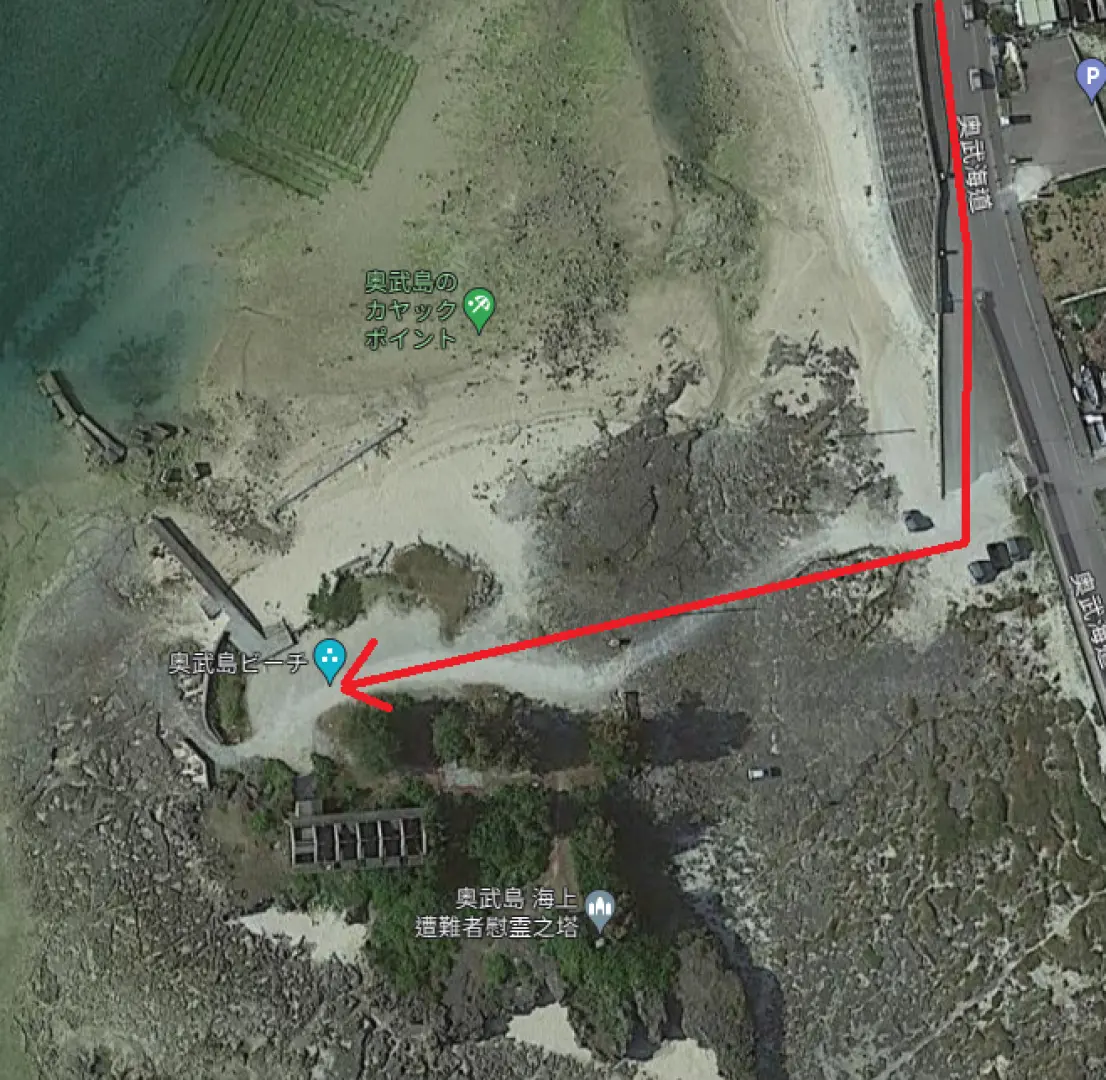
Address: Japan〒900-0002 Okinawa, Naha, Akebono, 2-chōme−26−6 タカダ旭マンション209Location Name: Aowu Island Beach, Nancheng City
Address: Beach on the west side of Aowu Island, Nancheng City
Cancellation Policy
- Cancellations 3 day(s) (inclusive) before the selected date are allowed. Unused orders can be canceled for free
- For cancellations made 1 to 2 days prior to selected date, a cancellation fee of 50% will apply
- Cancellation is not allowed between 0–0 days from the selected date. Orders cannot be canceled or modified, and refunds will not be granted.
- Due to time zone differences, the confirmed cancellation date is based on the supplier’s local time. Please allow 2–5 business days to process your cancellation request, after which the cancellation fee will be charged according to the product’s cancellation policy. Once the cancellation is confirmed, you will receive your refund within 14 working days.
FAQ
The cost for an Open Water diving certification course in Okinawa generally covers several key components. This typically includes professional instruction from certified instructors, all necessary diving equipment rentals such as wetsuits, masks, fins, buoyancy control devices, and tanks. It also usually includes course materials like textbooks or e-learning access, and fees for the certification itself upon successful completion. Some courses may also include transfer services to and from dive sites, and insurance for diving activities.
PADI (Professional Association of Diving Instructors) and CMAS (Confédération Mondiale des Activités Subaquatiques) are both internationally recognized diving certification agencies. PADI is often noted for its modular, step-by-step training approach, making it popular for recreational diving. CMAS, originating from Europe, often has a more progressive training structure, sometimes with a greater emphasis on theoretical knowledge and club-based learning. Both certifications are widely accepted globally, and the choice often depends on personal preference for teaching style or specific dive center offerings.
An Open Water diving certification course in Okinawa typically spans 3 to 4 days. This includes a combination of classroom sessions for theory, confined water practice to master basic skills, and actual open water dives to apply what you've learned in a natural environment. The specific duration can vary slightly based on the dive center's schedule and the student's learning pace, but most structured courses aim for efficient completion within this timeframe. This particular product specifies a 3-day course.
To obtain Open Water certification, divers must typically complete a series of confined water skill practices and a minimum of four open water training dives. During these dives, participants demonstrate proficiency in various essential skills, such as mask clearing, regulator recovery, buoyancy control, and emergency procedures. The goal is to build confidence and competence in a real diving environment under the supervision of a certified instructor, preparing you for independent recreational diving.
Okinawa is highly regarded for Open Water diving certification due to its consistently warm, clear waters and rich marine biodiversity. The stable tropical climate allows for year-round diving, and its numerous dive sites offer diverse conditions suitable for beginners and advanced divers alike. Trainees can experience vibrant coral reefs, encounter various fish species, and enjoy excellent underwater visibility, creating an ideal and enjoyable learning environment. The accessibility of its dive sites also adds to its appeal.
For Open Water certified divers in Okinawa, several spots are highly recommended. The Blue Cave at Cape Maeda is iconic for its stunning blue light and diverse marine life. Manza Dream Hole offers unique cavern diving experiences, while the Kerama Islands provide crystal-clear waters, vibrant coral gardens, and opportunities to see sea turtles and reef sharks. For those seeking more challenging sites, specific areas around Ishigaki or Yonaguni offer advanced formations or wreck dives. These locations cater to various interests and skill levels.
The best season to take an Open Water diving certification course in Okinawa is generally from April to November. During these months, the water temperatures are warm and comfortable, typically ranging from 25-30°C, and underwater visibility is excellent. While diving is possible year-round, the typhoon season from July to October can occasionally cause cancellations, though clear weather often returns quickly. Winter months (December-March) are cooler but still offer good diving conditions and the chance to spot humpback whales.
During an Open Water diving course, essential safety guidelines include never holding your breath, always ascending slowly to prevent decompression sickness, and regularly checking your air supply and depth gauge. It's crucial to stay with your dive buddy, communicate clearly using hand signals, and understand how to manage your buoyancy. Always follow your instructor's directions, respect marine life, and never dive beyond your training and comfort level. These principles ensure a safe and enjoyable experience.
Get Help


