


Opéra Garnier Tickets | Paris, France
- Explore one of the most beautiful opera houses in the world, a true Parisian landmark.
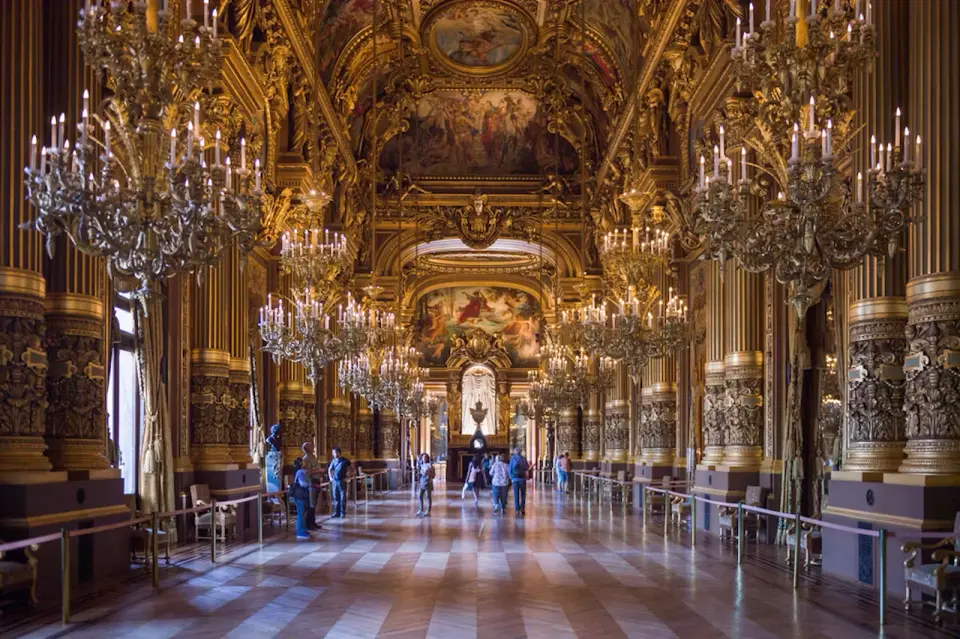
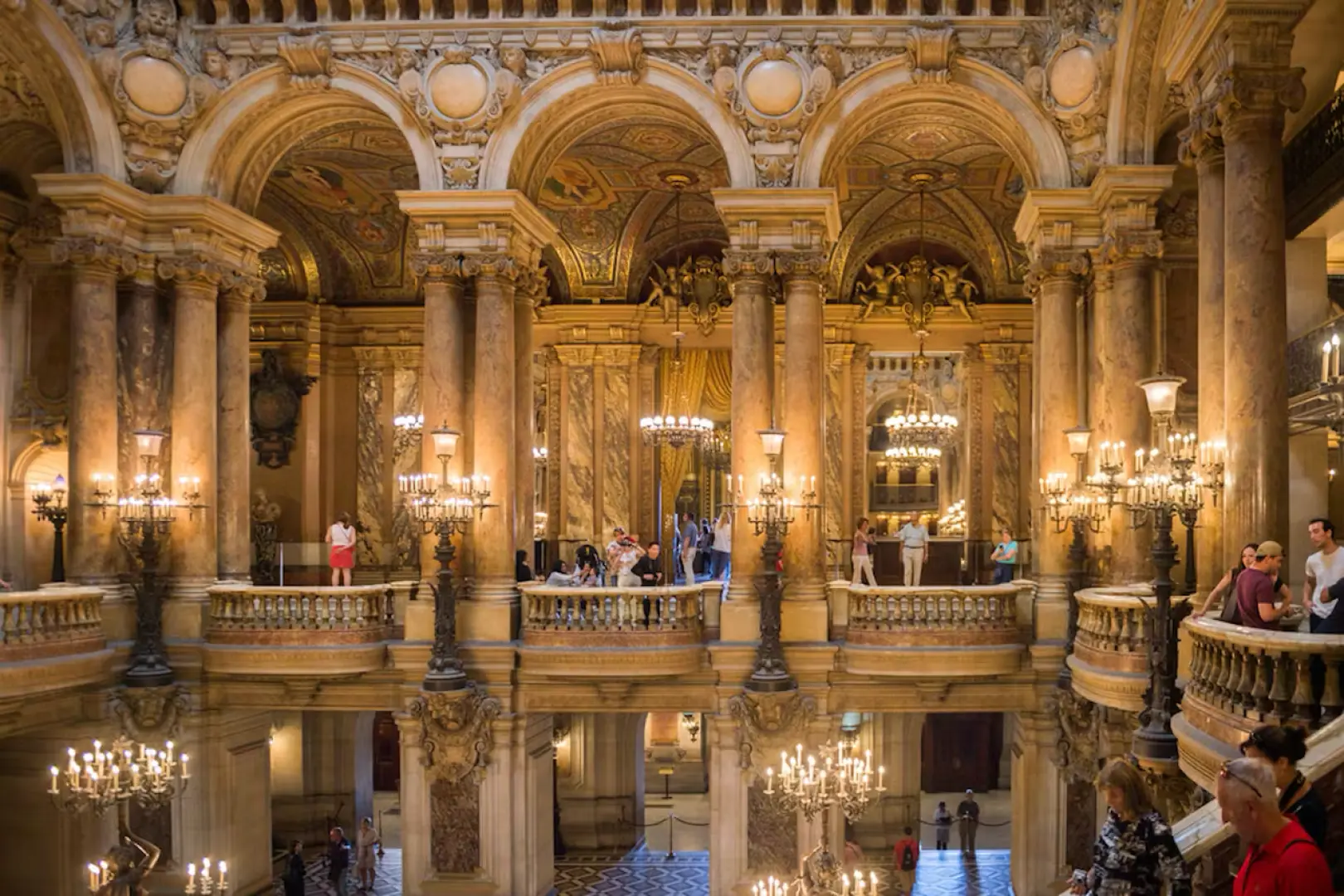
- Admire the magnificent marble Grand Staircase and the opulent Grand Foyer.
- Discover the fascinating history behind the Palais Garnier and its legendary “Phantom of the Opera” connection.
- Enjoy access to temporary exhibitions and marvel at the ornate façade with rose-marble columns and baroque sculptures.
Attraction Tickets
| Ticket type | E-ticket (direct entry) |
| Exhibit type | Art exhibits, Historical exhibits |
| Attraction type | History & culture, Traditional house experience |
| Tour types | None |
| Additional service & facility | Barrier free |
Product Info
— What to Expect —
Step inside the legendary Opéra Garnier, one of Paris’ most iconic cultural treasures. Also known as the Palais Garnier, this architectural masterpiece is as deeply woven into the city’s identity as Notre Dame, the Louvre, and the Eiffel Tower. For many visitors, it is also famously known as the setting that inspired The Phantom of the Opera.
Commissioned by Emperor Napoleon III and designed by Charles Garnier, this 19th-century opera house is a triumph of opulence and grandeur. Be captivated by its spectacular marble Grand Staircase and stroll through the lavish Grand Foyer, once frequented by aristocratic guests of Parisian high society.
The building’s construction faced an unusual challenge due to high groundwater levels, leading to the creation of underground cisterns — a detail that later fueled legends of a mysterious subterranean lake beneath the opera house. While the hidden waterways remain off-limits, there is still plenty to discover within one of the largest opera houses in the world.
Admire the richly decorated façade adorned with rose-marble columns, intricate friezes, and dramatic baroque sculptures. During your visit, explore temporary exhibitions and immerse yourself in the grandeur, history, and romance of this Parisian icon.


Purchase Notice
- Please take the entrance at the corner of Rue Scribe and Rue Auber, 75009 Paris
- Show your smartphone ticket at the entrance, after the security check
- Tickets include access to all temporary exhibitions (if available)
- This ticket is valid for one day and only on the selected date and timeslot
- Rehearsals lead to frequent and unpredictable closures of the performance hall, your ticket doesn't guarantee access to it.
- Open to visitors from 10:00am to 4:00pm (10:00am to 5:00pm from mid-July to end of August) unless there are exceptional closures. The building closes at 5pm (6pm from mid-July to end of August. Visitors agree to respect the visiting regulations of the Opéra de Paris
Includes/Excludes
Reminders
Please take the entrance at the corner of Rue Scribe and Rue Auber, 75009 Paris
Rehearsals lead to frequent and unpredictable closures of the performance hall, your ticket doesn't guarantee access to it.
How to Redeem Your Voucher
How to Use Your Voucher
- Please present the e-voucher on-site
Validity Period
- The voucher must be used on the selected date and within operating hours; Invalid after expiration
Experience Location
Location Name: Palais Garnier
Address: Rue Scribe & Rue Auber, 75009, ParisFAQ
The Opéra Garnier, also known as the Palais Garnier, is renowned for its magnificent Second Empire architectural style. It's famous for its opulent interior design, including grand staircases, glittering chandeliers, and ornate salons. It also gained worldwide recognition as the primary setting for Gaston Leroux's novel "The Phantom of the Opera."
Absolutely. First-time visitors will find immense value in exploring the Opéra Garnier's opulent interior. It offers a glimpse into 19th-century Parisian grandeur, featuring the majestic Grand Staircase, the lavish Grand Foyer resembling the Hall of Mirrors at Versailles, and the richly decorated auditorium. It's a key cultural landmark providing a unique historical and artistic experience.
Yes, visitors generally need to purchase an admission ticket to enter and explore the Opéra Garnier. This ticket grants access to most public areas, allowing you to appreciate its stunning architecture and historical collections. You can conveniently book your entrance ticket through KKday, which offers a straightforward process to secure your visit and plan your itinerary with ease.
The Opéra Garnier is easily accessible via Paris's public transportation system. You can take the Metro lines 3, 7, or 8 to "Opéra" station, which is directly adjacent to the building. The RER A train also stops at "Auber" station, which is just a short walk away. Several bus lines also serve the area, providing various convenient options.
Inside the Opéra Garnier, visitors can admire several unique architectural masterpieces. The Grand Staircase, made of marble, is an iconic feature, leading to various levels. The Grand Foyer dazzles with its gilded mosaics, paintings, and chandeliers. The auditorium features a magnificent Chagall-painted ceiling above the stage, adding a vibrant modern touch to the classical decor.
The Opéra Garnier stands as a significant symbol of Second Empire architecture and urban planning under Napoleon III. Designed by Charles Garnier, it was an ambitious project representing French imperial grandeur and artistic aspiration. It remains a major cultural institution and a testament to the era's artistic and engineering prowess, deeply embedded in Parisian history.
When touring the Opéra Garnier, you can expect a largely self-guided exploration of its public spaces, allowing you to discover its lavish interiors at your own pace. You'll encounter detailed exhibits, historical artifacts, and breathtaking views of the architecture, providing ample photography opportunities. It's an immersive journey into Parisian art, history, and design.
Visitors to the Opéra Garnier should be aware of standard entry requirements. This typically includes passing through security checks, and larger bags may need to be checked or are not allowed inside certain areas. Photography is generally permitted in most public areas for personal use. It's advisable to check the official operating hours and last entry times before your visit to ensure a smooth experience.
Get Help


