




Yellowknife Great Slave Lake Snowshoeing Activity (with Hotel Pickup) | Canada
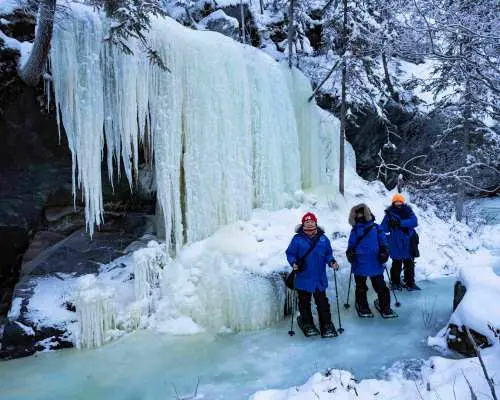
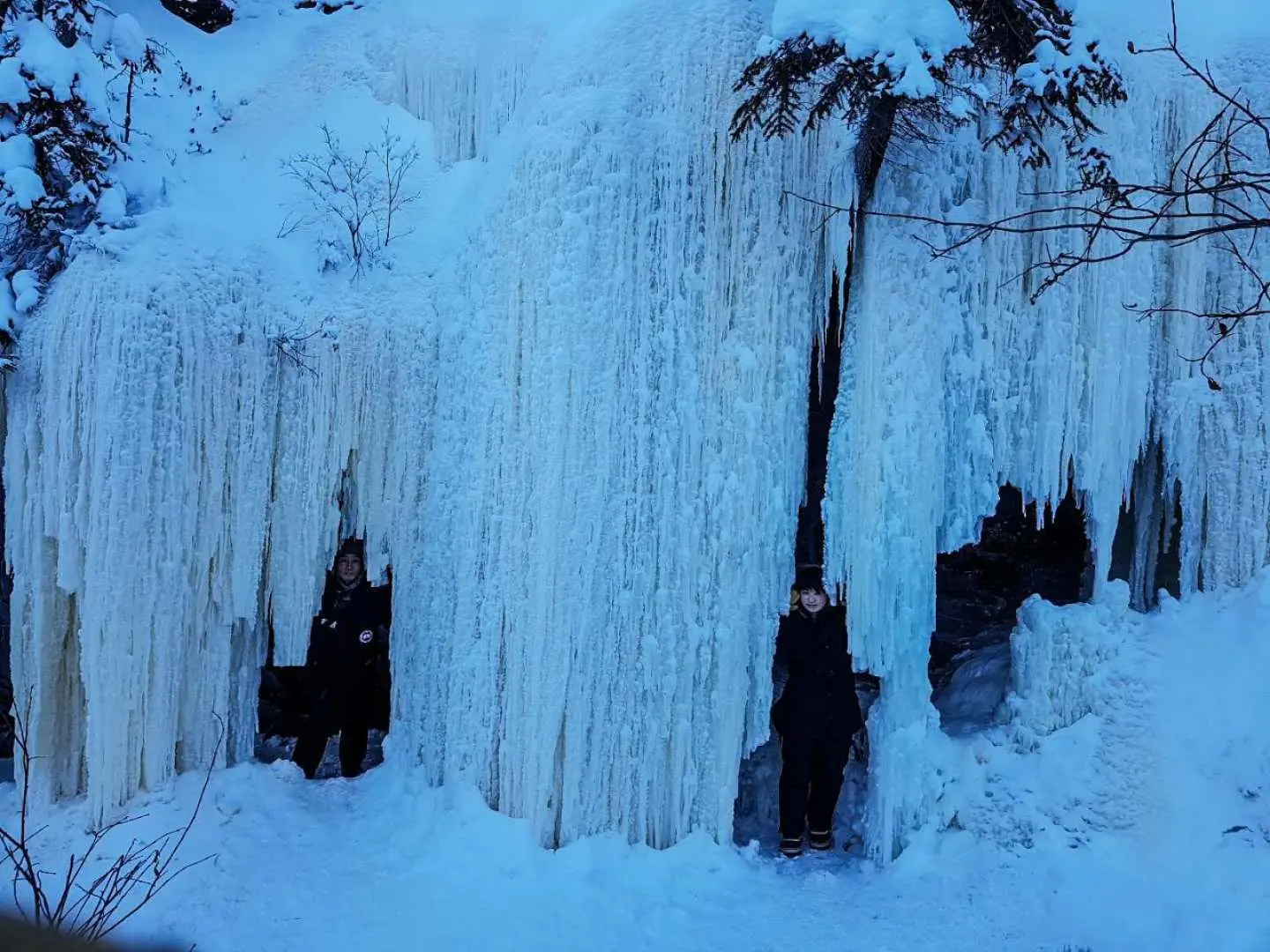
- Follow your guide as you safely travel across a lake, and see the views of the forest and the ice cave
- Experience snowshoeing and enjoy the magnificent views of Great Slave Lake
- Learn about the history of this region
- Enjoy convenient hotel pick-up and drop-off services
Product Info
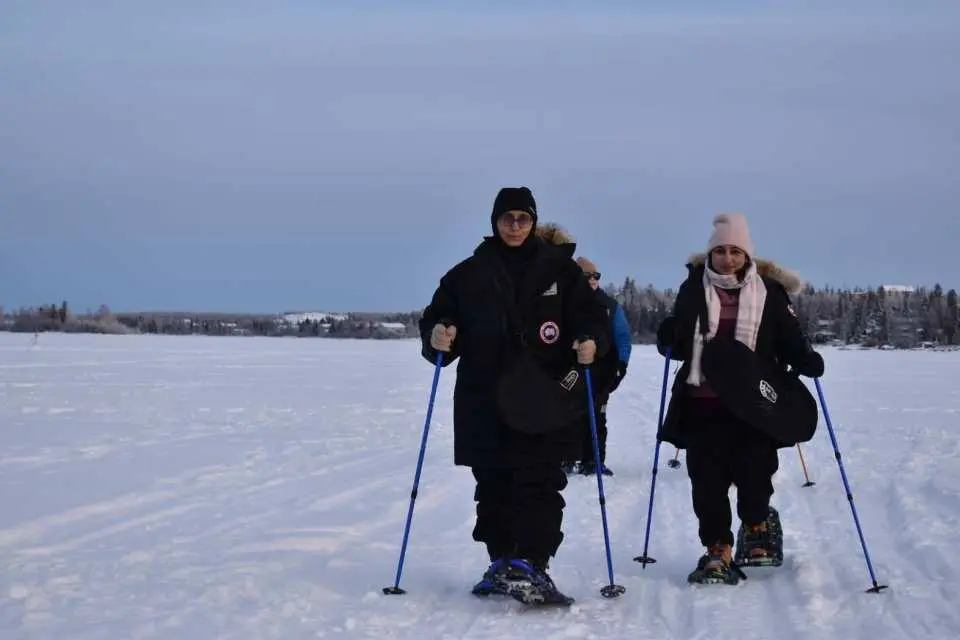
Start your snow-shoeing adventure tour with a comfortable and relaxing hotel pick-up. Listen to a quick safety briefing and grab your walking poles and bigfoot snowshoes. Be on the lookout for local foxes and ptarmigans that frequently roam the Yellowknife Back Bay area.
Learn about the history of the lake and the backstory to its name. Discover how indigenous communities have made this area their home. Follow your expert guide and gaze upon the beautiful surrounding forest, as well as the expansive stretches of ice. Weather permitting, you may be able to snowshoe across the lake all the way to Yellowknife Ice Cave.
— Important Info —
- Duration: 2 hours
- Meeting time: 13:30
- Meeting Point: your selected location
- Return Info: Drop-off at the original pick-up point, the actual drop-off time is subject to traffic and weather
- Please note that the meeting info above is for reference only. Pick-up time differs between fall and winter. Please refer to your voucher for the most up-to-date information


Please provide your winter boots size while booking




What You Can Expect
1 Day
- Go snow shoeing on Great Slave Lake
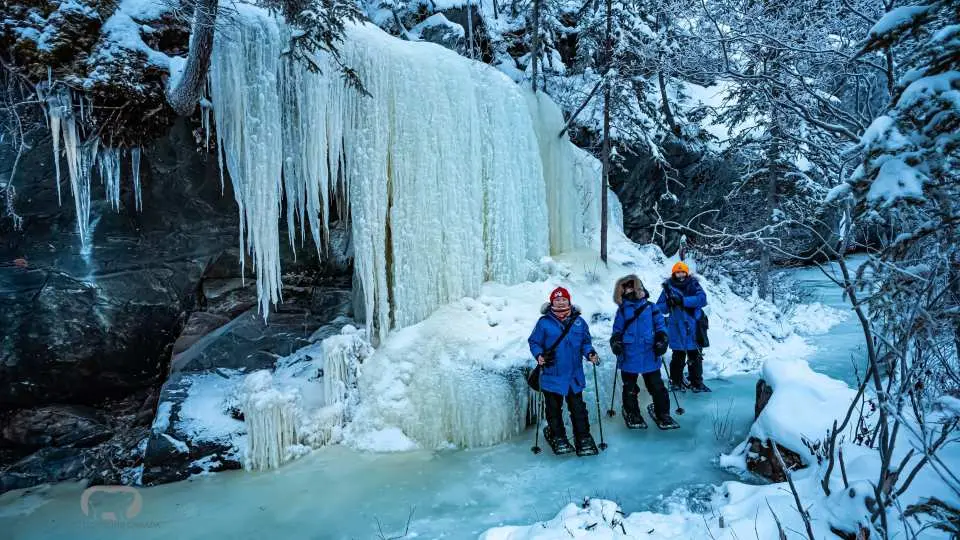
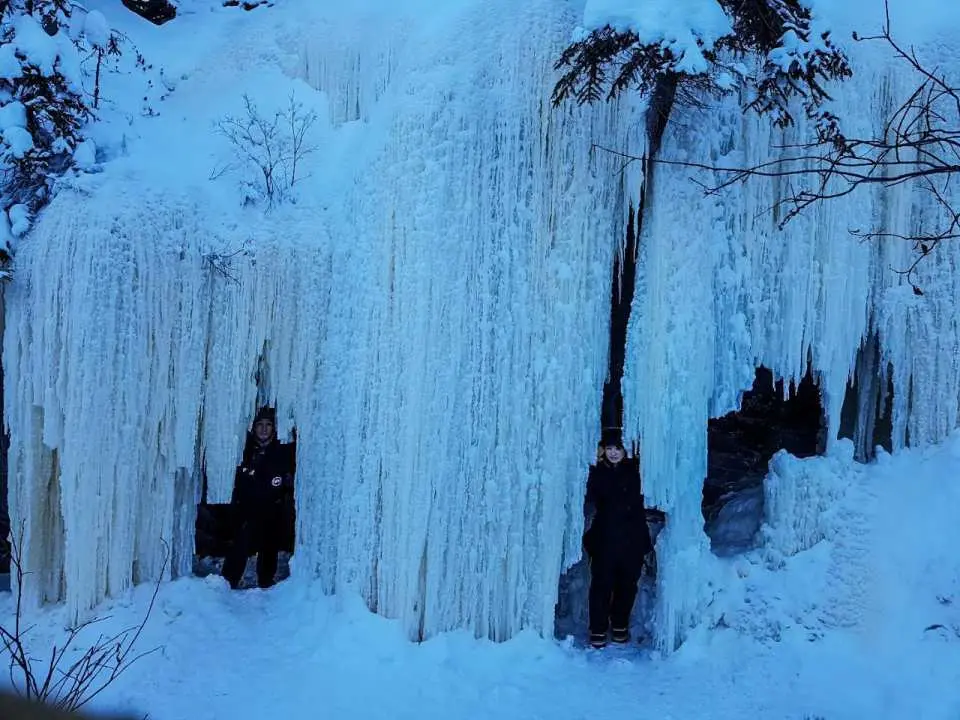
- Visit the Yellowknife Ice Cave and step inside its frozen crevasses

Purchase Notice
- A minimum number of participants is required. We'll confirm your date after booking. If not met, alternative dates will be offered. Please watch for updates from customer service
- The itinerary is for reference only, the tour guide may adjust the attraction visit sequence to accommodate weather and other unexpected situations, please consider before booking
- Please provide an active and reachable contact number when booking in the event of an emergency
- Admission is free for children aged under 2 and children aged under 12 must be accompanied by at least 1 adult (18+) at all times
- This tour does not include winter gear, please ensure to prepare your own
- Punctuality is crucial for the smooth functioning of the tour. Late arrivals will not be eligible for participation or refunds
- Refunds or compensation will not be provided to travelers leaving the tour midway or missing the entire tour due to personal reasons
- Please note that handling fees are applicable for tour rescheduling and cancellation
- Drop-off orders will be arranged based on traffic conditions. Return times may be delayed due to traffic. Please avoid scheduling other activities or flights on the same day to prevent delays
Includes/Excludes
- Tips
- Transportation
- Hotel transfer
- Guided tour
- Snowshoeing equipment
- Simple Trekking Poles
- Dining expenses
- Insurance
- Service charge
- Personal expenses
- Other expenses not mentioned above
- Winter gear
Reminders
A minimum of 4 traveler(s) are required for the tour to depart. If the number of participants does not reach the minimum requirement, the tour will be canceled. An email regarding tour cancellation will be sent 3 day(s) before the departure date
Please arrive at the designated location 10 minute(s) before the scheduled departure time, as the tour will depart on time
Please have your ID documents (e.g., passport, ID card) with you on the day of the visit, as you may be asked to present them for identity verification purposes
Travelers are strongly advised to purchase their insurance, as refunds will not be granted for flight delays or cancellations due to weather conditions. The tour will continue as scheduled upon your arrival in Yellowknife
We recommend that you download or print out the e-voucher for offline access
Please note that pick-up service only applies to designated hotels, no private addresses or Airbnb pick-up provided
Please note that flights to Yellowknife are in high demand and may be fully booked. As such, the tour cannot be rescheduled or canceled due to flight cancellation, fully booked
KKday reserves the right to modify, change the content of this event or terminate the event in advance. KKday has the final interpretation and decision on all matters of the event
In addition to the above precautions, if there are any matters not covered in this event, KKday reserves the right to modify, change, suspend and explain the content of the event at any time. The modification information will be announced directly on this product page without prior notice
How to Redeem Your Voucher
How to Use Your Voucher
- Please present the e-voucher on-site
Validity Period
- The voucher must be used on the selected date and within operating hours; Invalid after expiration
Pickup Point
Location Name: Chateau Nova Yellowknife
Address: 4571 48 St, Yellowknife, NT X1A 0E2Cancellation Policy
- For cancellations made at least 4 day(s) prior to selected date, a cancellation fee of 10% will apply
- Cancellation is not allowed between 0–3 days from the selected date. Orders cannot be canceled or modified, and refunds will not be granted.
- Due to time zone differences, the confirmed cancellation date is based on the supplier’s local time. Please allow 2–5 business days to process your cancellation request, after which the cancellation fee will be charged according to the product’s cancellation policy. Once your refund request is confirmed, KKday will initiate the refund to your original payment method within 15 days. The actual refund timing depends on your card-issuing bank’s policy.
FAQ
1. Why is it named Great Slave Lake?
Great Slave Lake is named after the Slavey Dene First Nations people, who historically inhabited the area. The term "Slave" was a misnomer derived from European traders. The lake holds significant cultural importance for the Indigenous communities of the Northwest Territories.
2. What wildlife might be encountered during a Great Slave Lake snowshoeing activity?
While larger animals like grizzly bears are present in the wider region, encounters during guided snowshoeing on the frozen lake are rare. Participants might observe smaller wildlife such as arctic foxes, snowshoe hares, and various bird species. Guides prioritize safety and provide information about the natural environment.
3. Can visitors swim in Great Slave Lake, especially during winter for snowshoeing?
Great Slave Lake is typically frozen solid for many months of the year, making swimming impossible during the winter snowshoeing season. Even in summer, the water remains very cold. The lake is primarily known for offering unique winter experiences like snowshoeing, ice fishing, and aurora viewing, rather than swimming.
4. What is the significance of Great Slave Lake's depth and size?
Great Slave Lake is renowned as the second-largest lake entirely within Canadian borders and holds the distinction of being North America's deepest lake, reaching an impressive depth of over 614 meters (2,015 feet). Its vast size and profound depth contribute to a unique ecosystem, influence regional climate, and support diverse wildlife and traditional Indigenous livelihoods.
5. What are the transportation options for reaching Great Slave Lake and Yellowknife?
Yellowknife, the capital of the Northwest Territories, serves as the primary gateway to Great Slave Lake. Visitors typically fly into Yellowknife Airport (YZF). From Yellowknife, various activities on Great Slave Lake are easily accessible, with many guided tours, including snowshoeing, offering convenient hotel pick-up and drop-off services directly from the city.
6. What are the road conditions like for accessing the Great Slave Lake region, specifically Highway 1?
Highway 1, also known as the Yellowknife Highway, is a well-maintained, paved road that connects Yellowknife to the southern road network. During the winter months, the highway is regularly plowed, but drivers should be prepared for potential icy conditions, heavy snowfall, and reduced visibility. It is essential to have appropriate winter tires and an emergency kit for safe travel.
7. Which Canadian city serves as the main hub for activities on Great Slave Lake?
Yellowknife, the capital city of the Northwest Territories, is the main urban center and primary hub for exploring Great Slave Lake. It provides comprehensive services including various accommodations, dining options, and serves as the departure point for numerous guided tours and activities, such as snowshoeing, ice fishing, and aurora viewing experiences on the lake.
8. What unique experiences can be expected during the Great Slave Lake snowshoeing activity, such as the ice cave?
The Great Slave Lake snowshoeing activity offers an immersive experience traversing the vast, frozen expanse of the lake, providing breathtaking views of the surrounding pristine winter landscape and forests. A key highlight is the opportunity to reach a beautiful ice cave, which offers a unique photographic opportunity and a chance to witness natural ice formations. Guides also share insights into the region's history.


